
France remains one of the most visited countries in the world for good reason: its rich history, diverse landscapes, world-class cuisine, and vibrant cities offer something for every traveler. Yet beneath the postcard-perfect surface lies a cultural code that, when understood, transforms a standard trip into a seamless and deeply rewarding experience. Knowing when to speak French, how to navigate regional differences, and when to slow down can make all the difference between frustration and fulfillment.
Plan with Purpose: Timing and Regional Strategy
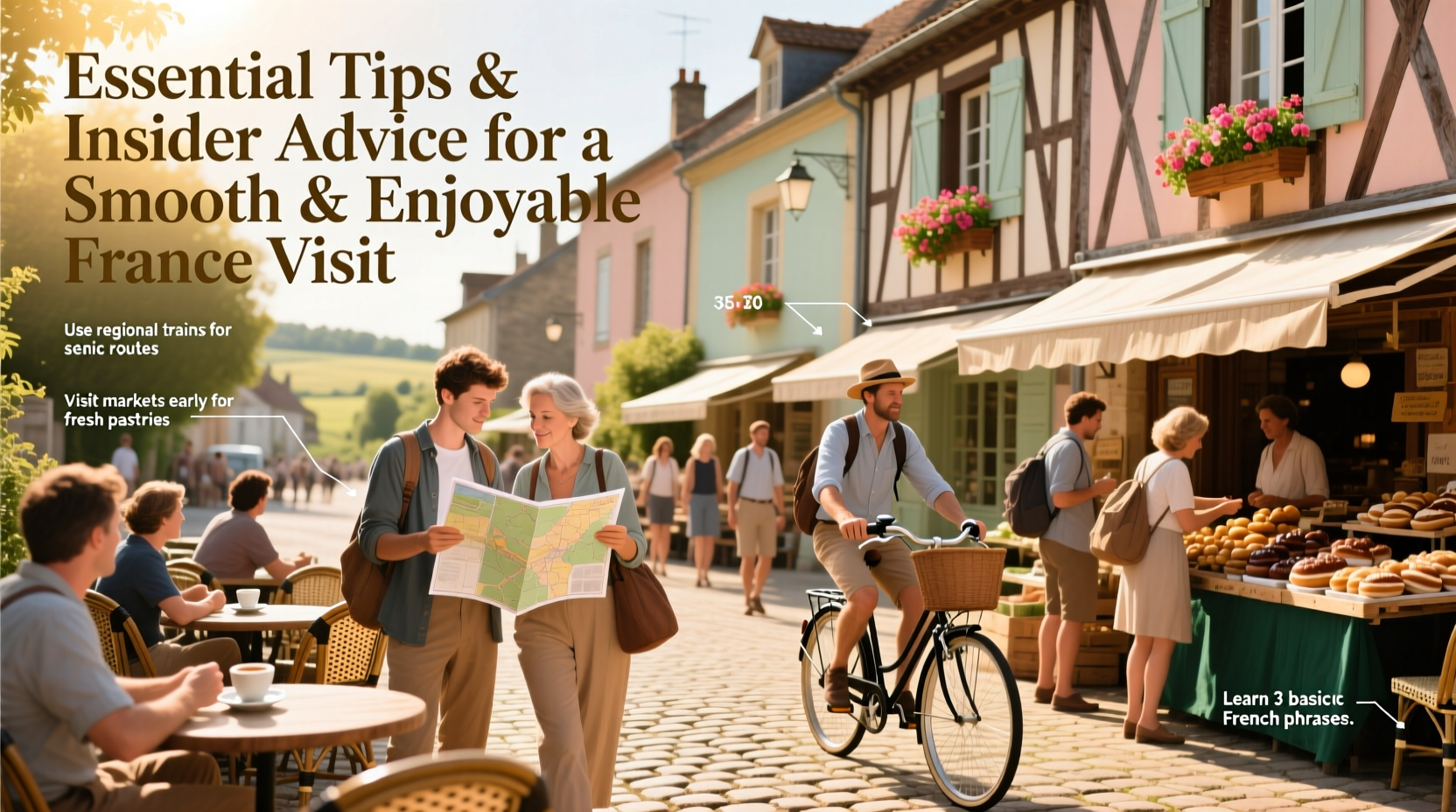
Choosing when and where to go is the foundation of a successful trip. While Paris draws millions each year, overcrowding in peak season—especially July and August—can drain both energy and enjoyment. Summer also sees many locals vacationing along the coast or in the countryside, meaning some shops and restaurants in cities may close temporarily.
For a more relaxed experience, consider visiting in late spring (May–June) or early fall (September–October). These shoulder seasons offer mild weather, fewer crowds, and lower prices on accommodations. Winter brings its own charm, especially in Alsace during Christmas markets or in the Alps for skiing, though northern regions can be damp and gray.
France is vast and regionally distinct. Attempting to cover too much ground leads to exhaustion. Focus on one or two regions per trip. Pair Paris with Normandy for history and coastal beauty, or explore Provence’s lavender fields and hilltop villages before heading to the Côte d’Azur for sun and sea.
Cultural Etiquette That Matters
French social norms are subtle but significant. Ignoring them may not ruin your trip, but observing them earns goodwill and often better service. A simple “Bonjour, Madame” upon entering a shop isn’t just polite—it’s expected. Skipping it may result in noticeably cooler treatment.
Dining is another area where etiquette enhances experience. In cafés, it’s acceptable to order at the bar. In sit-down restaurants, wait to be seated. Tipping is already included in the bill as *service compris*, but it’s customary to leave small change or round up if service was good. Never rush a meal—lunch often lasts over an hour, and dinner later in the evening, especially outside tourist zones.
Physical space is respected. Avoid loud conversations in public transport, and don’t hand money directly to a cashier without placing it gently on the counter. When shopping, ask permission before touching produce at markets.
“The French appreciate effort in their language, even if imperfect. A sincere ‘excusez-moi’ or ‘merci beaucoup’ opens doors far more than silence.” — Julien Moreau, Paris-based travel guide and cultural interpreter
Navigating Transportation Like a Local
France has one of Europe’s most efficient public transportation systems, but understanding how it works prevents unnecessary stress. In Paris, the Métro is fast and extensive, but plan routes ahead using apps like Citymapper. Single tickets (t+) are convenient, but multi-day passes like the Navigo Découverte (available Mon–Fri only) or the Paris Visite pass offer better value for extended stays.
Trains connect major cities and rural towns reliably. The TGV reaches speeds of up to 320 km/h, linking Paris to Lyon in under two hours and Marseille in about three. Regional TER trains are slower but scenic and affordable. Always validate paper tickets before boarding regional or suburban trains—failure to do so risks fines.
Driving in France offers freedom, particularly in rural areas, but requires awareness. Toll roads (*autoroutes*) are common and efficient, but cashless payment is increasingly standard. Speed limits are strictly enforced with frequent radar controls. Roundabouts dominate traffic flow—yield to vehicles coming from the right unless otherwise marked.
| Transport Mode | Best For | Insider Tip |
|---|---|---|
| TGV Trains | City-to-city travel (e.g., Paris to Bordeaux) | Book early for “Prem’s” fares—up to 70% off |
| Métro/RER | Paris and suburbs | Avoid rush hours (8–9:30 AM, 5:30–7:30 PM) |
| Rental Car | Provence, Loire Valley, Dordogne | Check if your GPS includes toll cost estimates |
| Bus (FlixBus, BlaBlaCar Bus) | Budget intercity travel | Cheaper than trains but less comfortable |
Smart Packing and Practical Preparation
Packing thoughtfully reduces friction throughout your journey. The French dress with understated elegance—opt for versatile, neutral clothing. Comfortable walking shoes are essential; cobblestone streets are unforgiving. Bring a compact umbrella regardless of season—sudden showers are common, especially in the north.
Electrical outlets in France use Type E plugs (230V), so pack a universal adapter. A portable charger is wise—many cafés limit access to outlets. Don’t bring large liquid containers; refillable bottles are allowed after airport security, and public water fountains (*fontaines publiques*) are widespread and safe.
Pre-Trip Checklist
- Confirm visa requirements based on nationality (Schengen rules apply)
- Purchase travel insurance covering medical emergencies and cancellations
- Download offline maps and translation apps (Google Translate, DeepL)
- Notify your bank of travel dates to prevent card blocks
- Bring copies of passport, insurance, and reservations
- Learn basic French phrases: greetings, please/thank you, ordering food
Avoiding Common Tourist Pitfalls
Even seasoned travelers fall into predictable traps. One of the most frequent? Dining at restaurants with multilingual menus posted right outside major attractions. These are often overpriced and underwhelming. Instead, walk a few blocks away or look for places filled with locals.
Another mistake is over-scheduling. The French concept of *flâner*—wandering without purpose—is a cultural virtue. Allow time to linger in parks, browse bookshops, or sip coffee at a sidewalk café. Rushing from monument to museum drains joy.
Be cautious with guided tours. While many are excellent, some skip key context. Opt for licensed guides or small-group experiences with strong reviews. For self-guided exploration, audio tours from providers like Rick Steves or official museum apps deliver depth without pressure.
Real Example: From Frustration to Fulfillment
Sophie, a first-time visitor from Chicago, arrived in Paris determined to see everything. On day one, she rushed from the Louvre to Notre-Dame, then waited in line for the Eiffel Tower—only to find it shrouded in scaffolding. Exhausted and disappointed, she nearly cut her trip short. After talking to a hotel concierge, she shifted strategy: she booked a Seine river picnic, explored Montmartre slowly, and took a day trip to Giverny. By the end, she said, “I didn’t see it all—but I finally felt like I experienced France.”
FAQ: Quick Answers to Common Questions
Do I need to speak French to get by?
While many French people in tourist areas speak English, knowing basic French phrases significantly improves interactions. Simple courtesies like “Bonjour,” “Merci,” and “Parlez-vous anglais?” go a long way. In rural regions, English is less common, so translation apps are helpful.
Is tap water safe to drink?
Yes. Tap water in France is among the safest in Europe. It’s served free in restaurants upon request (“Un verre d’eau, s’il vous plaît”). Bottled water is widely available but unnecessary unless preferred for taste.
Are credit cards widely accepted?
Yes, especially Visa and Mastercard. American Express is less common. Always carry some cash for small purchases, markets, or rural areas. Contactless payments (tap-to-pay) are standard in cities.
Conclusion: Embrace the Rhythm of France
Visiting France smoothly isn’t about flawless planning—it’s about embracing flexibility, respect, and curiosity. When you greet shopkeepers, savor meals without rushing, and allow room for spontaneity, you align with the French way of life. This shift in mindset turns logistical details into meaningful moments. Whether you're strolling through a Provençal market, hiking in the Pyrenees, or sharing wine in a Parisian courtyard, the true luxury is presence.




 浙公网安备
33010002000092号
浙公网安备
33010002000092号 浙B2-20120091-4
Comments
No comments yet. Why don't you start the discussion?