
Rabbits are naturally clean animals, but they still require regular grooming to stay healthy and comfortable. Especially as indoor pets, bunnies benefit from human assistance to manage shedding, prevent matting, and catch early signs of health issues. Grooming is not just about appearance—it’s a vital part of rabbit care that strengthens the bond between pet and owner. When done correctly, it can be a calm, even enjoyable experience for both of you.
However, rabbits are sensitive creatures. Their skin is delicate, their bones fragile, and stress can quickly escalate into health complications. That’s why grooming must be approached with patience, knowledge, and the right tools. Whether you’re new to rabbit ownership or looking to refine your technique, these essential tips and tricks will help you groom your bunny with confidence and care.
Understanding Your Bunny’s Coat Type
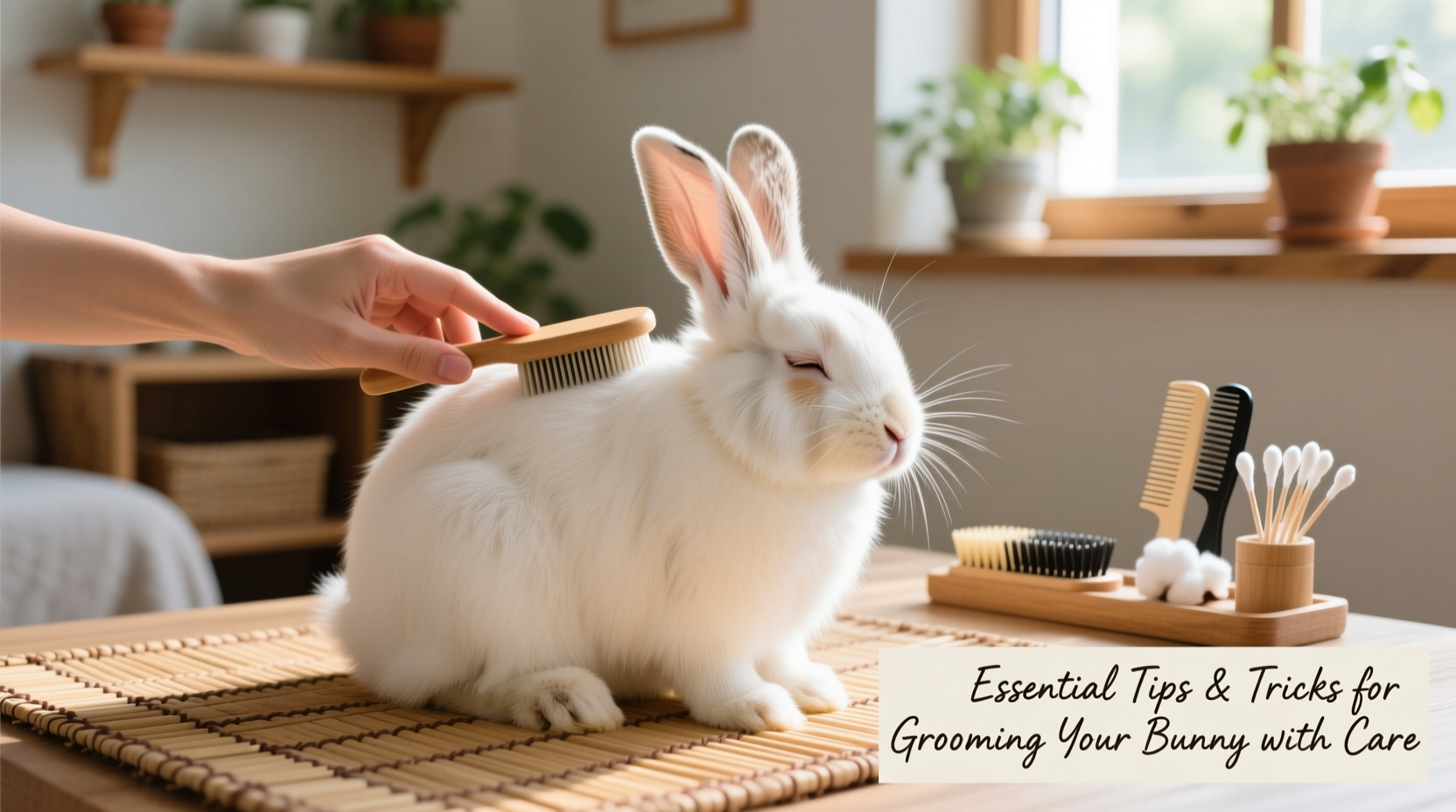
Rabbit breeds vary widely in coat length and texture, and this directly affects grooming frequency and method. Knowing your rabbit’s coat type is the first step in creating an effective grooming routine.
| Coat Type | Breeds | Grooming Frequency | Recommended Tools |
|---|---|---|---|
| Short-Haired | Netherland Dwarf, Mini Rex | Once a week | Slicker brush, rubber curry comb |
| Long-Haired | Lionhead, Angora | Every other day | Wide-tooth comb, fine slicker brush |
| Satin | Satin Angora, Satin Lop | 3 times a week | Soft bristle brush, metal comb |
Long-haired rabbits, especially Angoras, are prone to severe matting and wool block if not groomed regularly. Short-haired breeds shed heavily during seasonal changes (spring and fall), requiring more frequent brushing during those periods. Satin coats are silky but break easily, so gentle handling is crucial.
A Step-by-Step Guide to Safe and Effective Grooming
Grooming should be a calm, structured process. Rushing or forcing your bunny can lead to fear and resistance. Follow this timeline to build trust and ensure thorough care.
- Choose the Right Time: Pick a moment when your rabbit is relaxed—usually after feeding or light playtime.
- Prepare Your Tools: Have your brush, comb, nail clippers, and treats ready. Work on a non-slip surface like a towel-covered table.
- Start with Gentle Touches: Pet your bunny to ease them into the session. Let them sniff the brush first.
- Brush in Sections: Begin at the head and move toward the tail. Use short, soft strokes. Pay attention to the back, hips, and underbelly—common areas for tangles.
- Check for Mats: If you find a small mat, try loosening it with your fingers or a wide-tooth comb. For larger mats, carefully trim around the edges with blunt-tipped scissors—never cut close to the skin.
- Inspect Skin and Fur: Look for flaky skin, parasites, bald patches, or signs of urine scalding near the rear.
- Trim Nails (Optional in Same Session): Only if your bunny is calm. Clip only the tip, avoiding the pink quick.
- End on a Positive Note: Offer a treat and gentle praise. Keep sessions short at first—5 to 10 minutes—and gradually increase duration.
Consistency matters more than duration. A five-minute daily brush is better than one long, stressful weekly session.
Common Mistakes to Avoid During Rabbit Grooming
Even well-meaning owners can make errors that harm their rabbit’s comfort or health. Being aware of these pitfalls helps prevent accidents and anxiety.
- Using human brushes or combs: These are often too harsh and can damage delicate fur or skin.
- Bathing your rabbit: Rabbits should never be fully bathed. It causes extreme stress and can lead to hypothermia or respiratory issues. Spot-clean only if absolutely necessary.
- Ignoring the dewlap: Female rabbits, especially heavy breeds, have a fold of skin under the chin that can trap moisture and food. Check and dry it regularly.
- Pulling or tugging on matted fur: This hurts and may cause fur slip—a condition where large patches of fur come out easily due to stress or poor nutrition.
- Grooming during molting without extra attention: Rabbits shed in waves. During these phases, daily brushing is essential to prevent excessive ingestion of fur and gastrointestinal blockages.
“Regular grooming isn’t just cosmetic—it’s preventative medicine. I’ve caught early dental disease and skin infections simply because owners were brushing their rabbits consistently.” — Dr. Lena Torres, Exotic Veterinarian
Real-Life Example: Managing an Angora Rabbit’s Wool
Maria adopted a Jersey Wooly Angora mix named Thistle, unaware of the grooming demands. Within three months, Thistle developed thick mats along her sides and was beginning to overgroom her belly, causing thinning fur.
After consulting a rabbit-savvy groomer, Maria implemented a twice-daily brushing routine using a fine metal comb and a soft slicker brush. She also began hand-plucking loose wool every few days during peak shedding. Within six weeks, Thistle’s coat was smooth, and her overgrooming behavior stopped. Maria now schedules grooming like a feeding—non-negotiable and built into her daily rhythm.
This case highlights how neglect—even unintentional—can escalate into health risks, but consistent, informed care can restore comfort and vitality.
Grooming Checklist: What to Do Every Session
Use this checklist to ensure no detail is overlooked during each grooming session:
- ✅ Brush entire coat, focusing on high-friction zones (hips, under legs)
- ✅ Inspect skin for redness, flaking, or parasites
- ✅ Check ears for wax buildup or odor
- ✅ Examine eyes and nose for discharge
- ✅ Clean under chin and dewlap if needed
- ✅ Trim nails if long (every 4–6 weeks)
- ✅ Remove any debris or droppings stuck to fur (especially around the rear)
- ✅ Reward with a safe treat (e.g., parsley, hay cube)
Frequently Asked Questions
How often should I groom my rabbit?
Short-haired rabbits need brushing once a week. Long-haired breeds require grooming every other day, increasing to daily during molting seasons. Nail trims are typically needed every 4 to 6 weeks.
Can I use scissors to remove mats?
You can, but with extreme caution. Use blunt-tipped scissors and only cut the outer edges of the mat, holding the skin taut to avoid nicking. For large or tight mats, consult a professional groomer or veterinarian.
Why is my rabbit losing so much fur?
Rabbits molt several times a year, shedding in patches. This is normal. However, excessive fur loss accompanied by lethargy, bald spots, or skin irritation may indicate parasites, hormonal issues, or stress, and should be evaluated by a vet.
Final Thoughts: Building Trust Through Routine Care
Grooming your rabbit goes beyond maintaining a shiny coat. It’s an act of attentiveness—one that fosters trust, supports health, and deepens your relationship. Each stroke of the brush is an opportunity to notice subtle changes: a new lump, a shift in appetite, a slight limp. These observations can lead to early interventions that make all the difference.
Approach grooming with gentleness and consistency. Let your bunny set the pace. Celebrate small progress—like sitting calmly for an extra minute—and remember that every session builds confidence for both of you.




 浙公网安备
33010002000092号
浙公网安备
33010002000092号 浙B2-20120091-4
Comments
No comments yet. Why don't you start the discussion?