
Disposable vapes like the Puff Bar have gained widespread popularity due to their convenience, sleek design, and ease of use. For beginners, especially those transitioning from traditional smoking or trying vaping for the first time, understanding how to use a Puff Bar properly is essential—not only for enjoyment but also for safety and well-being. While these devices require no charging, refilling, or complex settings, misuse or overuse can lead to unwanted side effects such as nicotine dependency, throat irritation, or dehydration. This guide provides clear, practical advice to help new users navigate their first experiences with confidence and care.
Understand How a Puff Bar Works
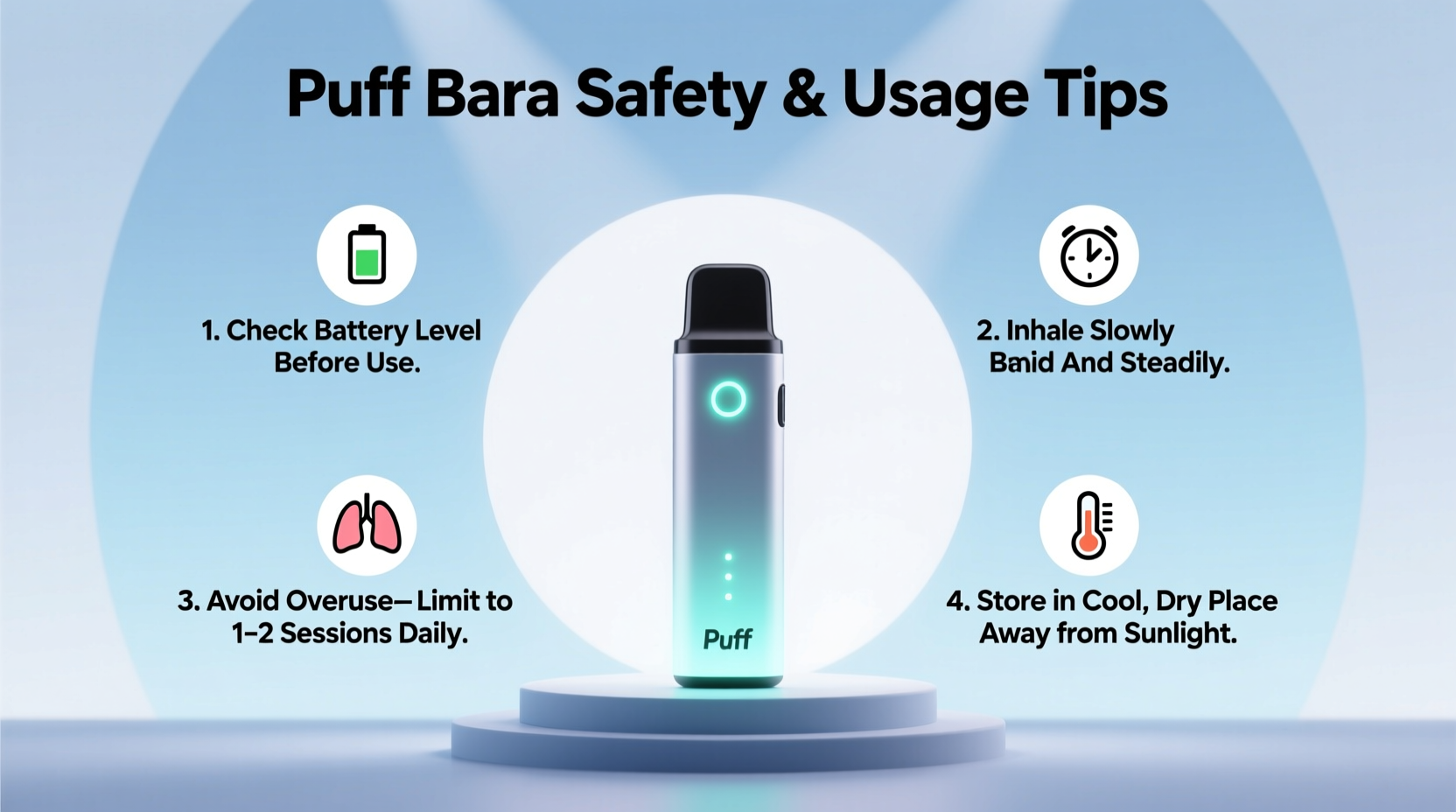
A Puff Bar is a disposable vape device pre-filled with e-liquid and powered by an internal battery. It activates automatically when you inhale—no buttons, no setup. Each device typically contains 2% (20mg/mL) nicotine salt e-liquid, which delivers a smoother throat hit and faster nicotine absorption than freebase nicotine found in older vape products. A standard Puff Bar lasts around 300 puffs, equivalent to about one pack of cigarettes.
Because it’s designed for simplicity, many beginners assume there’s nothing to learn before use. However, understanding the mechanics helps prevent issues like chain vaping, leakage, or rapid depletion. The device uses a sensor to detect airflow; drawing too hard or too quickly can flood the coil or reduce vapor quality.
Step-by-Step Guide to First-Time Use
Starting with a Puff Bar should be a smooth experience. Follow this sequence to ensure safe and effective use:
- Inspect the device – Check for any visible damage, leaks, or manufacturing defects before use.
- Remove packaging – Peel off all protective films or stickers covering the mouthpiece or body.
- Hold it correctly – Grip near the middle to avoid blocking airflow vents located at the bottom.
- Inhale gently – Draw air through the mouthpiece slowly. You should feel slight resistance and see vapor form.
- Wait between puffs – Allow 15–30 seconds between inhalations so the device can cool and re-saturate the wick.
- Monitor your body's response – Pay attention to dizziness, nausea, or throat tightness, especially if you're new to nicotine.
It’s common for beginners to mistake weak vapor for malfunction. Often, the issue stems from improper draw technique or a cold device. Letting the Puff Bar sit at room temperature for a few minutes before use improves performance.
Do’s and Don’ts When Using a Puff Bar
| Do’s | Don’ts |
|---|---|
| Store in a cool, dry place away from sunlight | Leave in hot environments like cars or direct sun |
| Take breaks between sessions to assess nicotine needs | Chain-vape or use continuously for long periods |
| Dispose of responsibly after use (do not disassemble) | Try to recharge or refill the device |
| Keep out of reach of children and pets | Use while driving, operating machinery, or during intense physical activity |
| Stay hydrated—vaping can cause mild dehydration | Use if pregnant, under 21, or with heart or respiratory conditions |
This table summarizes key behaviors that support safe and mindful usage. Remember: even though Puff Bars are simple, they contain active ingredients that affect your body.
Health Considerations and Expert Insight
Nicotine is addictive and affects heart rate, blood pressure, and brain chemistry. While vaping is widely considered less harmful than smoking combustible tobacco, it is not risk-free—especially for non-smokers, adolescents, and individuals with underlying health concerns.
“Beginners often underestimate the potency of nicotine salts. They deliver nicotine efficiently, which can lead to unintentional overconsumption. Start slow, track your intake, and listen to your body.” — Dr. Alan Reyes, Pulmonary Health Specialist
Common early reactions include lightheadedness, dry mouth, or mild coughing. These usually subside as your body adjusts. If symptoms persist, stop use and consult a healthcare provider. Staying hydrated helps mitigate some side effects, as propylene glycol (a primary ingredient in e-liquid) has mild dehydrating properties.
Real Example: A Beginner’s Experience
Jamie, a 28-year-old former smoker, switched to Puff Bars after quitting cigarettes. She had smoked half a pack daily for five years and wanted a cleaner alternative. On her first day, she used the Puff Bar every hour, mimicking her old smoking pattern. By evening, she felt dizzy and anxious—a sign of nicotine overload.
After researching, Jamie adjusted her approach: she limited herself to one puff every 90 minutes, drank more water, and avoided using the device late at night. Within three days, her symptoms disappeared, and she began to enjoy the experience without discomfort. Her story highlights a crucial lesson: pacing matters. Vaping isn't meant to replicate smoking exactly—it offers a different rhythm and satisfaction.
Storage and Disposal Best Practices
Proper storage maintains performance and prevents accidents. Keep your Puff Bar in a shaded area below 77°F (25°C). High heat can cause the e-liquid to expand, leading to leakage or even rupture. Never store in glove compartments, near radiators, or in pockets close to body heat for extended periods.
When the device stops producing vapor or the taste turns burnt, it’s depleted. Do not attempt to open or recharge it. Lithium-ion batteries inside are not user-serviceable and pose fire risks if tampered with. Instead, dispose of it according to local electronic waste guidelines. Many vape retailers offer recycling bins for used devices.
Frequently Asked Questions
Can I reuse or refill a Puff Bar?
No. Puff Bars are sealed, single-use devices. Attempting to refill or modify them can result in leakage, poor performance, or safety hazards. Once empty, replace it with a new unit if needed.
How do I know when my Puff Bar is empty?
Signs include significantly reduced vapor production, a fading flavor, or a blinking sensation when inhaling. Some models may produce a slightly burnt taste at the end of life. Do not continue using once performance declines.
Is vaping safer than smoking?
According to public health agencies like Public Health England, vaping is estimated to be around 95% less harmful than smoking traditional cigarettes because it eliminates tar and most combustion-related toxins. However, “less harmful” does not mean “harmless.” Non-smokers should not start vaping.
Final Checklist for Safe and Effective Use
- ✔️ Read instructions and inspect the device before first use
- ✔️ Inhale gently and steadily—don’t rush
- ✔️ Wait between puffs to avoid overheating
- ✔️ Monitor physical reactions and adjust frequency
- ✔️ Stay hydrated throughout the day
- ✔️ Store at room temperature away from children
- ✔️ Dispose of properly when finished
Conclusion
Starting with a Puff Bar doesn’t have to be overwhelming. With the right knowledge, beginners can use these devices safely, comfortably, and with greater awareness of their habits. The goal isn’t just convenience—it’s control. Understanding dosage, respecting nicotine’s effects, and treating the device with care leads to a better experience overall. Whether you’re using it as a transitional tool or occasional alternative, mindfulness makes all the difference.




 浙公网安备
33010002000092号
浙公网安备
33010002000092号 浙B2-20120091-4
Comments
No comments yet. Why don't you start the discussion?