
Coral and alloy earrings combine organic elegance with modern design, offering a unique aesthetic that stands out in any jewelry collection. Coral, formed over centuries beneath the ocean’s surface, brings warmth and natural beauty, while alloy metals—often lightweight and corrosion-resistant—provide durability and versatility. However, both materials are sensitive to environmental factors and improper handling. Without proper care, coral can fade, crack, or discolor, and alloy components may tarnish, corrode, or lose their luster. Understanding how to maintain these delicate pieces ensures they remain vibrant and wearable for years.
Understanding Coral and Alloy: Materials That Need Special Attention
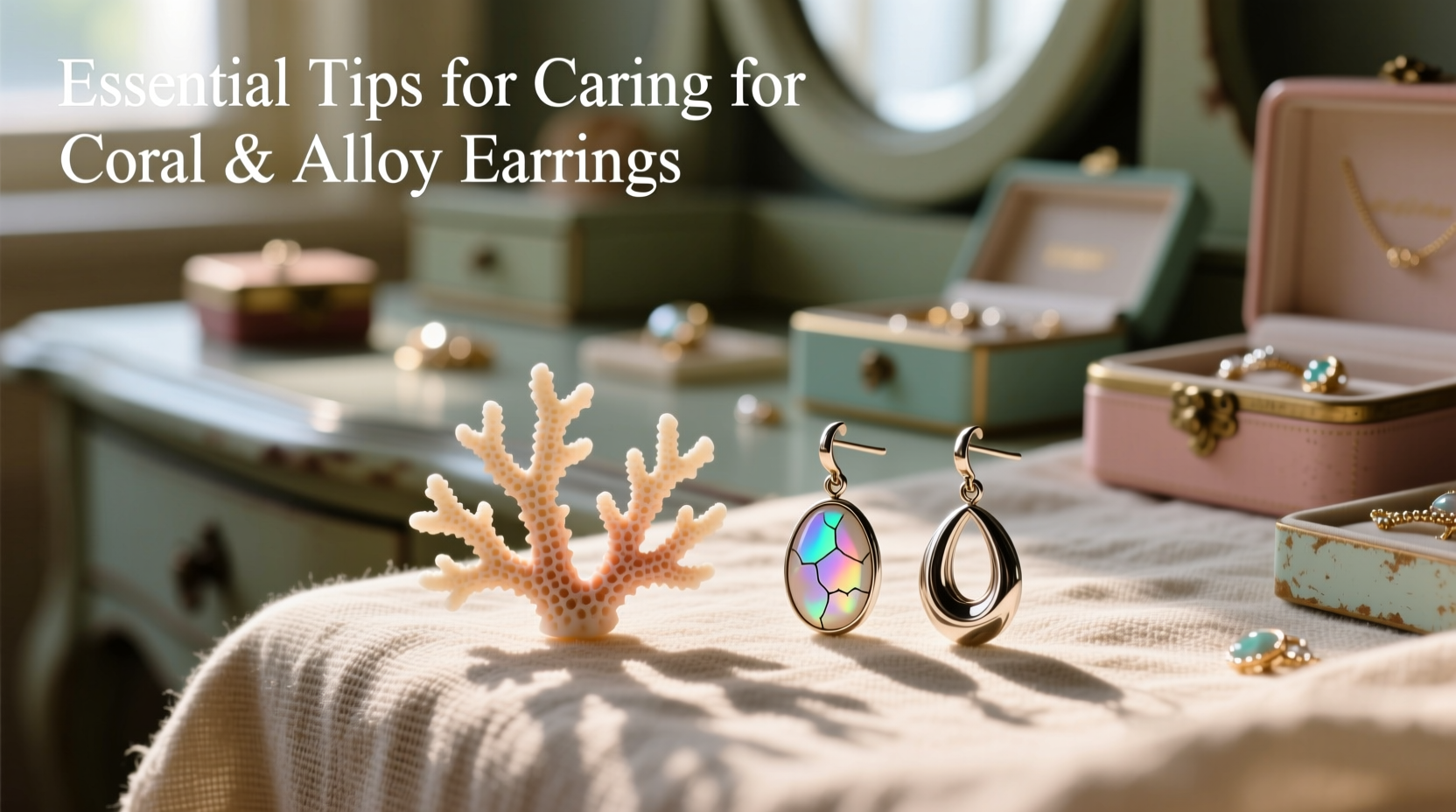
Coral is an organic gemstone composed primarily of calcium carbonate. Unlike minerals such as diamonds or sapphires, it is porous and reactive. Exposure to chemicals, heat, or sudden temperature changes can cause irreversible damage. Natural coral ranges from soft pink to deep red, and its value often depends on color intensity and origin. Imitation or treated coral exists, but even synthetic versions require careful handling due to their resin or glass bases.
Alloy earrings typically use base metals like brass, copper, or zinc mixed with other elements to improve strength and appearance. These alloys are often plated with gold, silver, or rhodium to enhance shine and reduce skin reactions. However, plating wears over time, especially when exposed to moisture, sweat, or abrasive surfaces. Once compromised, the underlying metal may oxidize, leading to discoloration or irritation.
“Coral is one of the most fragile gemstones we work with. It demands respect and routine care just like fine pearls.” — Lena Torres, Gemologist & Jewelry Conservator
Step-by-Step Cleaning Routine for Longevity
Cleaning coral and alloy earrings requires a gentle approach. Harsh cleaners or ultrasonic devices can destroy both materials. Follow this safe, effective cleaning process monthly or whenever visible dullness appears.
- Remove oils and dust: Use a soft, lint-free microfiber cloth to gently wipe the surface of the coral and metal parts. Avoid paper towels or rough fabrics that may scratch.
- Prepare a mild solution: Mix one cup of lukewarm water with two drops of non-ammonia dish soap. Dip a cotton swab lightly into the solution—never soak the earring.
- Clean carefully: Gently dab around the coral setting and alloy frame. Do not immerse the earring; water penetration can weaken adhesive or cause internal corrosion.
- Dry immediately: Wipe with a dry portion of the microfiber cloth. Allow to air-dry flat for 5–10 minutes before storage.
- Polish metal accents: If the alloy plating has dulled, use a jewelry polishing cloth designed for plated metals. Never use chemical dips or abrasive pastes.
Avoid These Common Cleaning Mistakes
- Using alcohol, bleach, or ammonia-based cleaners—they strip coral’s natural oils.
- Soaking earrings in water—even freshwater can seep into settings and promote oxidation.
- Using toothbrushes or harsh scrubbing tools that create micro-scratches.
Proper Storage: Prevent Damage Before It Starts
How you store your earrings matters as much as how you clean them. Poor storage leads to scratches, tangling, and accelerated tarnishing. Coral is particularly vulnerable to pressure and light exposure, while alloy components react negatively to humidity and air pollutants.
| Storage Factor | Recommended Practice | What to Avoid |
|---|---|---|
| Container Type | Soft-lined jewelry box with individual compartments | Open trays or shared drawers where pieces rub together |
| Humidity Control | Store with silica gel packets to absorb moisture | Bathrooms or kitchens with fluctuating humidity |
| Light Exposure | Keep in dark, cool space away from sunlight | Windowsills or display cases under direct light |
| Positioning | Lay flat; avoid hanging by hooks which can bend posts | Hanging earring organizers that stress delicate settings |
Real-Life Example: A Lesson in Neglect and Recovery
Sophie, a boutique buyer from Portland, inherited a pair of vintage coral and gold-plated alloy earrings from her grandmother. She wore them frequently but stored them loosely in a fabric pouch with other jewelry. After six months, she noticed the coral had faded to a pale beige, and the posts were turning green near the backings—a sign of oxidation.
She consulted a local jeweler who explained that constant friction from other pieces had worn down the plating, and perspiration had penetrated the earring backs. The coral hadn’t been sealed properly, allowing body oils to darken its surface. With professional re-polishing and resealing, the earrings were partially restored, but the original vibrancy was lost. Sophie now stores each piece separately, removes them before washing hands, and inspects them monthly for early signs of wear.
Essential Care Checklist for Daily Wearers
To simplify long-term maintenance, follow this actionable checklist every time you wear or store your coral and alloy earrings:
- ✅ Remove earrings before applying makeup, perfume, or hair products.
- ✅ Take them off at night—even during short naps—to prevent breakage.
- ✅ Wipe gently with a dry cloth after each use to remove skin residue.
- ✅ Inspect earring backs and posts weekly for looseness or discoloration.
- ✅ Store in a closed, lined box with low humidity and no direct light.
- ✅ Schedule a professional inspection once a year for structural integrity.
- ✅ Rotate wear to reduce consistent stress on delicate settings.
Frequently Asked Questions
Can I get my coral and alloy earrings wet?
No. Water exposure—especially chlorinated or saltwater—can erode coral and accelerate oxidation in alloy metals. Always remove them before bathing, swimming, or exercising.
Why are my alloy earrings turning my skin green?
This reaction is caused by copper or nickel in the alloy mixing with sweat and acidity on the skin. While harmless for most, it indicates the plating is wearing thin. Consider switching to hypoallergenic backings or having the pieces replated.
How do I know if my coral is real or imitation?
Real coral feels slightly warm to the touch and has subtle texture variations. Imitation coral (often resin) feels cooler and perfectly smooth. For certainty, consult a certified gemologist. Avoid hot needle tests or acetone swabs, which can damage genuine pieces.
Protect Your Investment with Consistent Habits
Caring for coral and alloy earrings isn’t about perfection—it’s about consistency. These pieces carry emotional, cultural, or financial value, and their longevity depends on mindful daily choices. By avoiding extreme environments, cleaning gently, storing wisely, and inspecting regularly, you preserve not just their appearance but their story. Whether passed down through generations or purchased as a personal indulgence, well-maintained earrings retain their charm and significance far beyond fleeting trends.




 浙公网安备
33010002000092号
浙公网安备
33010002000092号 浙B2-20120091-4
Comments
No comments yet. Why don't you start the discussion?