
A sofa is one of the most used pieces of furniture in a home, and its cover bears the brunt of daily wear—spills, pet hair, sunlight, and friction from sitting. Over time, neglect can lead to fading, pilling, odors, and irreversible stains. But with consistent, thoughtful care, sofa covers can remain vibrant, soft, and durable for years. Whether your sofa has removable fabric covers or a permanent upholstery, proper maintenance plays a critical role in preserving both comfort and aesthetics.
Understand Your Fabric Type
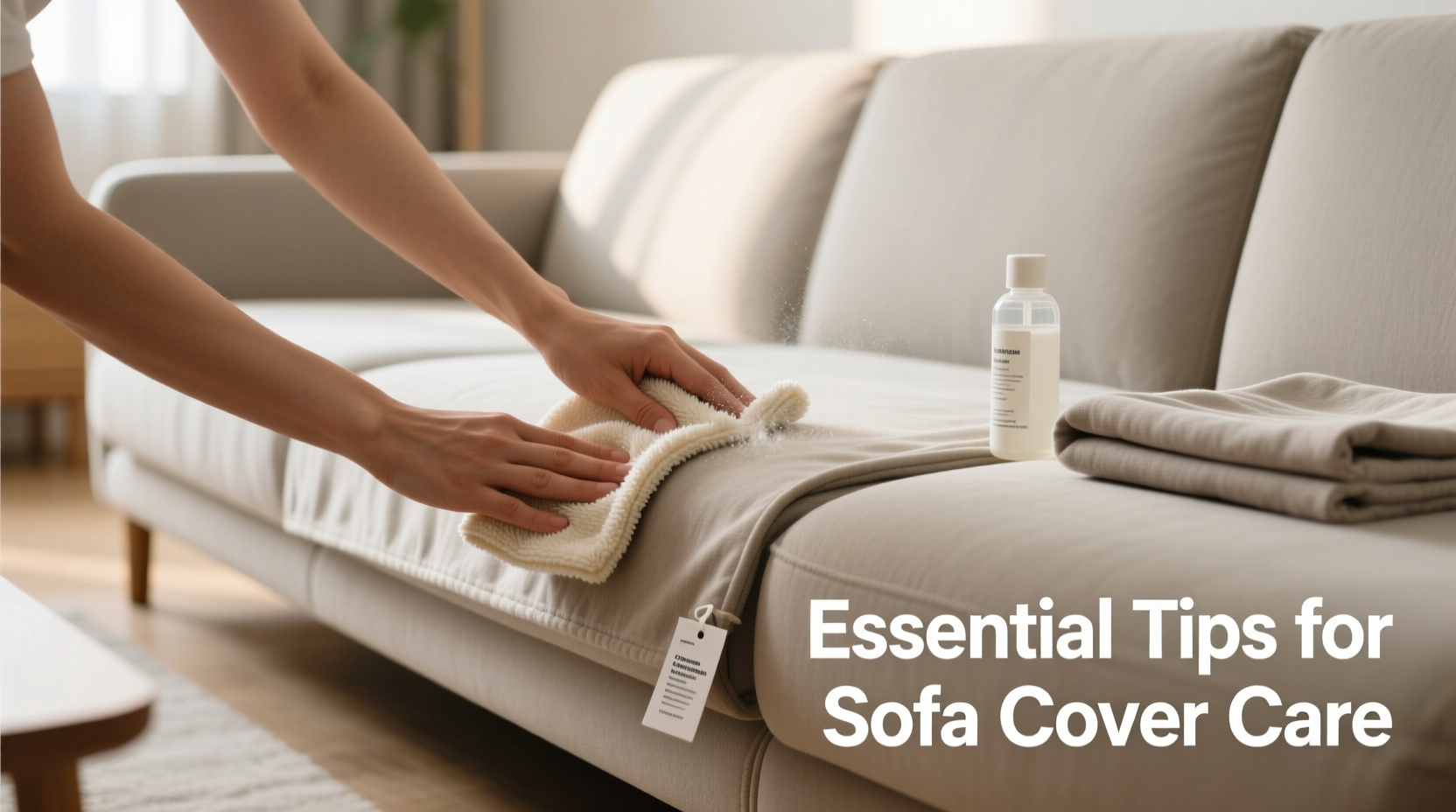
Not all sofa covers are created equal. The material determines how you should clean, treat, and protect it. Common fabrics include cotton, linen, microfiber, velvet, leather, and synthetic blends—each with unique care requirements.
Cotton and linen are breathable but prone to wrinkling and staining. Microfiber is highly durable and stain-resistant, ideal for homes with children or pets. Velvet adds luxury but shows marks easily and requires gentle brushing. Leather needs conditioning to prevent cracking. Always check the manufacturer’s label for cleaning codes (W, S, WS, X), which indicate whether water-based cleaners, solvent-based solutions, or professional cleaning are recommended.
“Knowing your fabric is half the battle. A wrong cleaner can damage fibers permanently—even if it smells great.” — Lena Patel, Home Textile Specialist
Daily and Weekly Maintenance Habits
Prevention is more effective than restoration. Simple routines can drastically reduce long-term damage. Vacuuming once a week removes dust, crumbs, and allergens trapped in the weave. Use an upholstery attachment to gently go over seams, crevices, and cushions.
For homes with pets or active children, consider rotating cushions weekly to distribute wear evenly. Fluff and flip seat and back cushions to prevent sagging and indentations. Avoid sitting on armrests or jumping on the sofa—these actions strain stitching and foam padding beneath the cover.
Keep the sofa out of direct sunlight. UV rays degrade dyes and weaken fibers, leading to faded colors and brittle fabric. If your living room gets strong afternoon light, close blinds during peak hours or use sheer curtains to diffuse exposure.
| Fabric Type | Daily/Weekly Care | Avoid |
|---|---|---|
| Cotton/Linen | Vacuum weekly; spot clean spills immediately | Harsh detergents; soaking wet cleaning |
| Microfiber | Damp cloth wipe-down; vacuum regularly | Bleach; abrasive scrubbing |
| Velvet | Use soft brush in direction of pile; vacuum gently | Water saturation; heavy pressure |
| Leather | Dust with dry cloth; condition monthly | Ammonia-based cleaners; direct heat |
Step-by-Step Guide to Deep Cleaning Sofa Covers
Deep cleaning every 3–6 months keeps fabrics fresh and hygienic. Follow this timeline for best results:
- Clear the area: Remove cushions, pillows, and nearby decor. Protect floors with towels.
- Vacuum thoroughly: Use attachments to reach between cushions and under arms.
- Check labels: Confirm if the cover is removable or must be cleaned in place.
- Treat stains: Apply a small amount of appropriate cleaner (e.g., mild dish soap + water for W-coded fabrics) to stained areas. Blot—don’t rub.
- Clean removable covers: Wash on gentle cycle with cold water and mild detergent. Do not overload the machine. Air dry or tumble dry low, depending on care instructions.
- Clean non-removable upholstery: Use a handheld steam cleaner or hire a professional. Avoid excessive moisture, which can lead to mold.
- Deodorize: Sprinkle baking soda lightly over the surface, wait 20 minutes, then vacuum. This neutralizes odors without chemicals.
- Restore texture: For fabrics like velvet or corduroy, gently brush with a soft clothes brush after drying to lift the pile.
Common Mistakes That Shorten Sofa Cover Life
Even well-intentioned owners make errors that accelerate wear. One of the most frequent is using household cleaners like vinegar, bleach, or window spray on delicate fabrics. While natural, vinegar can break down synthetic fibers over time. Bleach causes discoloration and fiber degradation, even when diluted.
Another mistake is ignoring spills. Allowing liquids to sit leads to set-in stains and bacterial growth. Even clear water can leave rings if not blotted promptly. Similarly, skipping cushion rotation leads to uneven compression, making some areas look worn while others stay pristine.
Some people attempt DIY repairs with regular glue or tape, which damages fabric integrity. Always use upholstery-specific adhesive or consult a professional for seam splits or fraying edges.
- Using paper towels instead of microfiber cloths (can scratch)
- Overusing fabric fresheners (may leave residue)
- Ignoring zippers or fasteners (can snag fabric if broken)
- Washing in hot water (causes shrinkage)
Real Example: How Sarah Saved Her Living Room Sofa
Sarah, a mother of two toddlers and owner of a golden retriever, noticed her beige microfiber sofa turning gray at the seating areas within a year. She assumed it was inevitable with kids and pets. After consulting a furniture care specialist, she implemented a routine: vacuuming twice weekly, immediate blotting of spills with a microfiber cloth, and bi-monthly deep cleans using a fabric-safe foaming cleaner.
She also started using washable, textured throws on high-use sections. Within three months, the sofa looked visibly fresher. Two years later, it still retains its original color and texture—proof that consistent habits make a tangible difference.
Expert Checklist for Long-Term Sofa Cover Care
Follow this practical checklist to keep your sofa looking its best:
- ✅ Vacuum cushions and crevices weekly
- ✅ Rotate and flip cushions every 7–10 days
- ✅ Blot spills immediately with a clean, absorbent cloth
- ✅ Use fabric protector spray (especially on light-colored or natural fabrics)
- ✅ Deep clean every 3–6 months
- ✅ Keep out of direct sunlight or use UV-filtering window treatments
- ✅ Condition leather every 4–6 weeks
- ✅ Store spare covers flat in a breathable cotton bag if removed seasonally
- ✅ Address loose threads or small tears early to prevent worsening
Frequently Asked Questions
Can I machine-wash my sofa covers?
Yes, if the care label permits. Use cold water, a gentle cycle, and mild detergent. Avoid fabric softeners, which can coat fibers and reduce absorbency. Always air dry or use low heat to prevent shrinkage.
How do I remove pet odors from fabric sofas?
First, blot any residue. Then sprinkle baking soda generously, let sit for at least 30 minutes, and vacuum thoroughly. For persistent odors, use an enzymatic cleaner designed for pet accidents—these break down organic compounds rather than masking smells.
Is steam cleaning safe for all sofa fabrics?
No. Steam can damage bonded fabrics, waxed textiles, or those with foam backing by causing delamination. Check the manufacturer’s guidelines first. When in doubt, opt for professional cleaning with controlled equipment.
Conclusion: Small Efforts, Lasting Results
Maintaining a sofa cover doesn’t require expensive products or hours of labor. It demands consistency, attention to detail, and respect for the material. By understanding your fabric, acting quickly on spills, and following a simple care schedule, you preserve not just appearance but comfort and hygiene. A well-kept sofa enhances your space, supports better indoor air quality, and ultimately saves money by delaying replacement.




 浙公网安备
33010002000092号
浙公网安备
33010002000092号 浙B2-20120091-4
Comments
No comments yet. Why don't you start the discussion?