
A wool keychain may seem like a small accessory, but its craftsmanship and material demand thoughtful care. Unlike synthetic or metal alternatives, wool is a natural fiber that responds sensitively to moisture, heat, and friction. Over time, improper handling can lead to felting, pilling, fading, or irreversible shrinkage. Whether your keychain is hand-knitted, felted, or adorned with embroidery, preserving its integrity requires consistent, gentle maintenance. Understanding the biology of wool—its scales, elasticity, and moisture absorption—empowers you to protect it effectively. This guide outlines precise, practical steps to extend the life of your wool keychain while maintaining its softness, shape, and aesthetic appeal.
Understanding Wool: Why It Needs Special Attention
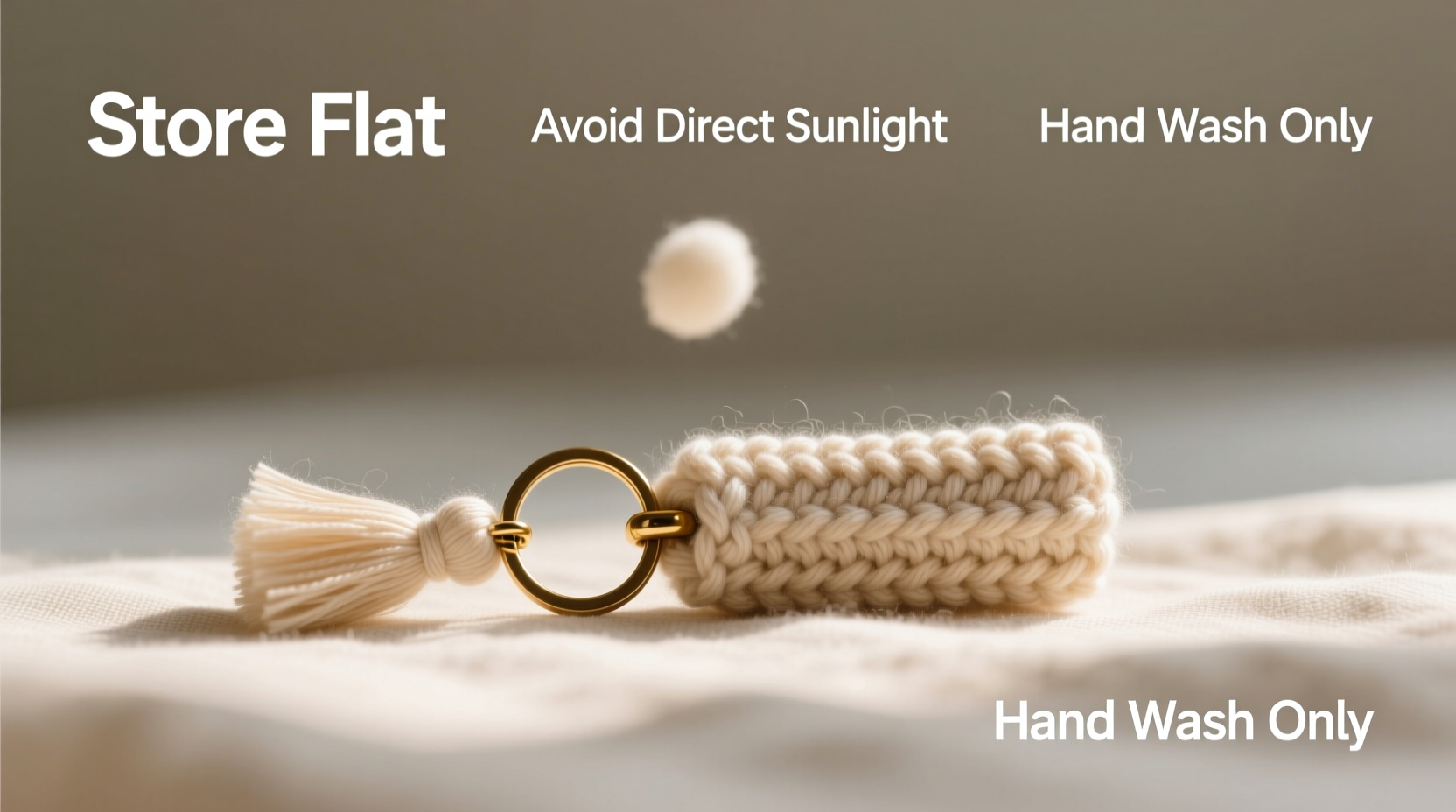
Wool fibers are made of keratin, the same protein found in human hair. Each strand has microscopic outer scales that can interlock when exposed to heat, moisture, and agitation—a process known as felting. Once felted, wool becomes denser and loses its original texture. This reaction is irreversible. Additionally, wool absorbs moisture easily, which makes it prone to mildew if stored damp. Sunlight exposure can fade dyes, especially in naturally dyed or artisanal pieces. Because keychains are frequently handled and exposed to pockets, bags, and outdoor elements, they face more wear than other wool items. Recognizing these vulnerabilities is the first step toward prevention.
“Wool’s beauty lies in its resilience when treated with respect—but it won’t forgive neglect.” — Dr. Lena Moretti, Textile Conservation Specialist
Step-by-Step Guide to Safe Cleaning
Cleaning a wool keychain should be rare and deliberate. Most soiling can be addressed with spot treatment rather than full immersion. When cleaning is necessary, follow this sequence:
- Inspect the keychain: Check for loose threads, weak stitching, or existing damage. Address fraying before cleaning.
- Spot clean first: Dampen a corner of a microfiber cloth with cold water and a drop of pH-neutral wool wash. Gently dab stained areas. Never rub.
- Hand wash (if needed): Fill a basin with cold water and a small amount of wool-specific detergent. Submerge the keychain for no more than 3 minutes. Swirl gently—do not agitate.
- Rinse thoroughly: Use cold water until suds disappear. Press water out—never wring or twist.
- Dry flat: Lay on a clean towel, reshape to original dimensions, and cover with another towel to absorb excess moisture. Air-dry away from sunlight and heat sources.
Do’s and Don’ts: A Quick Reference Table
| Action | Do | Don't |
|---|---|---|
| Cleaning | Use cold water and wool-safe detergent | Use hot water, bleach, or enzyme cleaners |
| Drying | Lay flat on a towel, reshaped | Hang, wring, or use a dryer |
| Storage | Keep in a breathable cotton pouch | Store in plastic or humid environments |
| Handling | Wash hands before prolonged contact | Touch with oily or dirty hands regularly |
| Stain Removal | Dab with diluted wool wash | Scrub aggressively or use alcohol wipes |
Real Example: How One Collector Preserved a Handmade Keychain
Sophie, a textile artist from Portland, received a hand-felted wool keychain from a friend in Iceland. After three months of daily use, she noticed the colors dulling and the surface becoming slightly matted. Instead of discarding it, she followed a restoration routine: she gently brushed the fibers with a soft pet brush to lift the nap, spot-cleaned with lanolin-based soap, and stored it in a muslin pouch lined with cedar chips to deter moths. Within two weeks, the keychain regained its softness and vibrancy. She now rotates between two keychains to reduce wear and only attaches the wool one during dry seasons. Her experience underscores that attentive care can reverse early signs of deterioration.
Expert-Approved Storage and Handling Practices
Longevity begins with storage. Wool keychains should never be left dangling from keys in direct sunlight or tossed into damp bags. UV rays degrade fibers and fade pigments. Humidity invites mold and moth larvae. Store your keychain in a cool, dark place inside a breathable fabric pouch. Avoid plastic bags—they trap moisture and promote mildew. If you live in a humid climate, include a silica gel packet nearby (but not touching) to regulate moisture.
When handling, ensure your hands are clean and dry. Oils from skin can attract dirt and accelerate fiber breakdown over time. Rotate your keychains monthly to distribute wear. For travel, place the wool piece in a padded compartment or small box to prevent crushing or snagging.
Frequently Asked Questions
Can I iron my wool keychain if it gets wrinkled?
No. Ironing will apply excessive heat and pressure, causing immediate felting. If the shape is distorted, gently reshape it while damp and let it air-dry flat.
How do I remove odors without washing?
Odors often come from trapped moisture or oils. Place the keychain in a sealed container with baking soda for 12–24 hours. Then air it outside in the shade for an hour. Avoid perfumes or sprays, which can stain or weaken fibers.
Are all wool types equally fragile?
No. Merino wool is softer and more delicate than coarse breeds like Icelandic or Shetland wool, which are naturally more resilient. However, all wool benefits from the same core care principles: cold water, minimal agitation, and proper drying.
Essential Care Checklist
- Inspect monthly for loose threads or stains
- Spot clean with cold water and wool-safe detergent as needed
- Never machine wash or dry
- Always dry flat, reshaped, away from heat
- Store in a breathable fabric pouch
- Keep away from direct sunlight and humidity
- Handle with clean, dry hands
- Rotate usage to minimize wear
- Refresh naturally with lavender or baking soda
- Check for moth activity every few months
Conclusion: Small Habits, Lasting Results
Caring for a wool keychain isn’t about perfection—it’s about consistency. These small, mindful actions compound over time, preserving both function and sentiment. Whether it’s a gift from a loved one or a handmade souvenir, your wool keychain carries stories worth protecting. By treating it with the attention its natural fibers deserve, you ensure it remains soft, vibrant, and intact for years. Start today: clean your hands before handling, find a proper storage spot, and commit to gentle care. Your wool accessory may be tiny, but its longevity speaks volumes about your appreciation for craftsmanship and detail.




 浙公网安备
33010002000092号
浙公网安备
33010002000092号 浙B2-20120091-4
Comments
No comments yet. Why don't you start the discussion?