
Kawaii jewelry—adorable, colorful, and often intricately detailed—brings joy with every wear. From enamel charms shaped like cupcakes to glittery heart-shaped earrings, these pieces are more than accessories; they're expressions of personality. But their delicate materials and frequent exposure to elements make them vulnerable to tarnish, discoloration, and damage. Unlike solid gold or platinum, many kawaii pieces use base metals, plating, resin, and soft coatings that degrade faster without proper care. The good news? With consistent attention and the right habits, you can preserve their luster and extend their life significantly.
Understand What Makes Kawaii Jewelry Prone to Tarnish
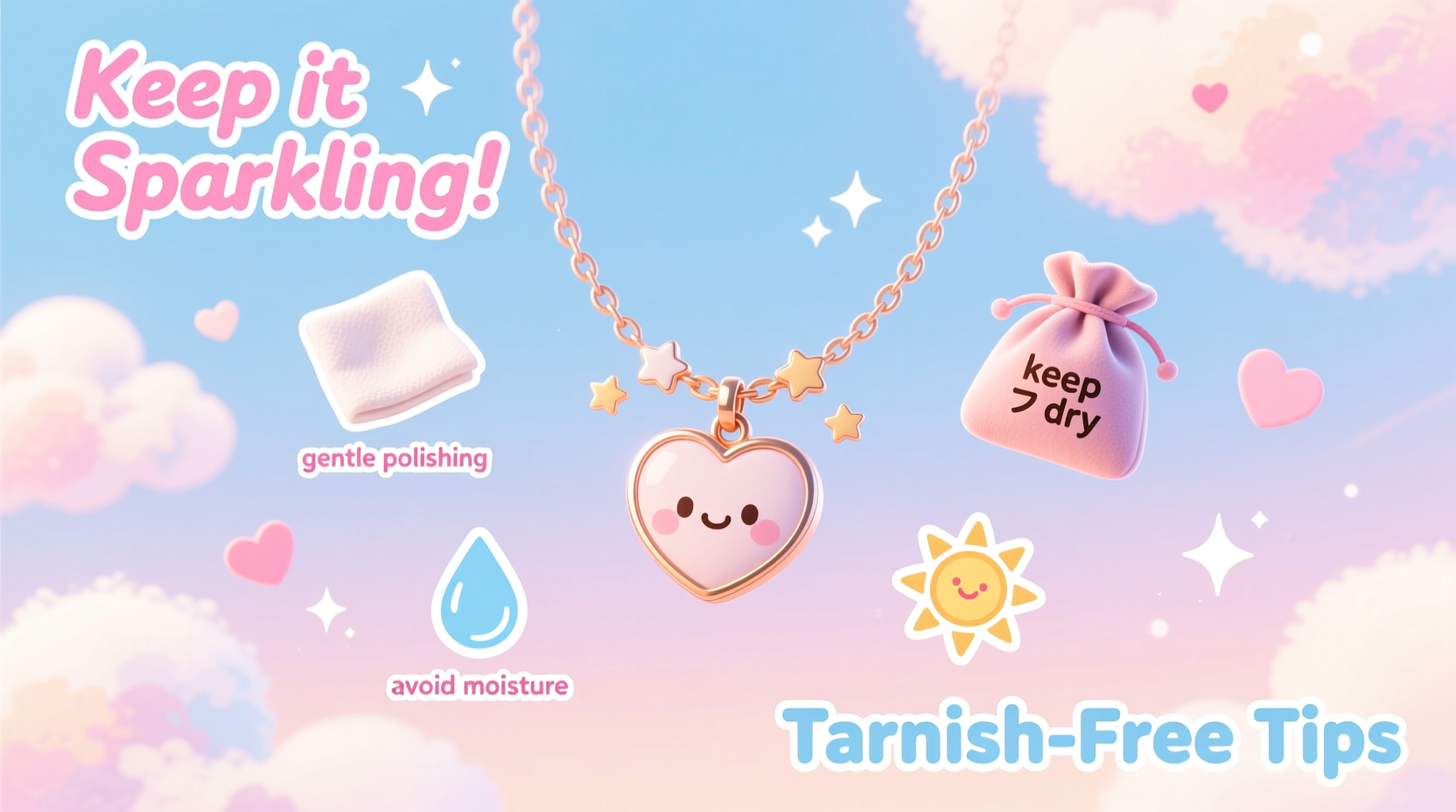
Most kawaii jewelry is crafted from lightweight alloys such as brass, zinc, or copper, then plated with silver, rose gold, or other finishes. These base metals react easily with moisture, oils from skin, and airborne sulfur, leading to oxidation—the root cause of tarnish. Additionally, enamel details, rhinestones, and polymer clay components can be sensitive to chemicals, heat, and abrasion.
The very features that make kawaii jewelry charming also make it fragile. Tiny moving parts, layered paint, and glued embellishments require gentle handling. Frequent wear without protection accelerates wear and tear, especially if exposed to perfume, lotion, sweat, or chlorine.
“Tarnish on plated jewelry isn’t just cosmetic—it’s a sign of surface corrosion. Once the plating wears through, the underlying metal oxidizes rapidly.” — Lena Park, Jewelry Preservation Specialist
Essential Daily Care Practices
Prevention begins the moment you put on your jewelry. Simple daily habits drastically reduce long-term damage.
- Put jewelry on last: After applying makeup, hairspray, perfume, and lotions. Chemical residues accelerate tarnishing and dull finishes.
- Remove before activities: Take off pieces before showering, swimming, exercising, or sleeping. Sweat and water are primary culprits in discoloration.
- Wipe after wear: Use a soft, lint-free cloth to gently remove oils and residue. Microfiber works best—avoid paper towels which can scratch surfaces.
- Avoid friction: Don’t toss kawaii pieces into a bag or drawer where they can rub against keys, phones, or harder items.
Proper Storage Techniques to Prevent Tarnish
How you store your kawaii jewelry determines how well it resists oxidation over time. Air and humidity are enemies of metal finishes, especially in humid climates.
Use individual pouches made of anti-tarnish fabric or soft cotton. These limit air exposure and prevent scratching. For larger collections, consider a lined jewelry box with compartments and a tight seal. Avoid plastic bags unless they’re specifically designed to inhibit tarnish (like zip-lock anti-tarnish bags).
| Storage Method | Effectiveness | Best For |
|---|---|---|
| Anti-tarnish pouches | ★★★★★ | All plated kawaii pieces |
| Sealed jewelry box with silica gel | ★★★★☆ | Daily wear collections |
| Open tray display | ★★☆☆☆ | Occasional wear, low-humidity areas |
| Plastic sandwich bags | ★☆☆☆☆ | Short-term only—traps moisture |
Safe Cleaning Methods for Sparkling Results
Cleaning kawaii jewelry requires caution. Harsh polishes, ultrasonic cleaners, or vinegar soaks can strip plating, cloud enamel, or loosen glued stones.
For light tarnish or grime, use a mild solution: mix a few drops of gentle dish soap with lukewarm water. Dip a soft-bristled toothbrush (an old one works perfectly) and gently scrub around crevices. Rinse under cool running water only if the piece has no glued parts. Pat dry immediately with a microfiber cloth.
For non-water-safe pieces (those with glued charms, fabric, or painted layers), skip rinsing. Instead, lightly dampen a corner of the cloth with soapy water and spot-clean only the metal parts.
- Remove jewelry and inspect for loose parts.
- Prepare soapy water in a small bowl.
- Use a soft brush to clean metal edges and backs.
- Wipe carefully around enamel and stones—no soaking.
- Dry thoroughly within 30 seconds of contact with water.
- Store in an anti-tarnish pouch.
When Not to Clean
Avoid home cleaning if your piece has mechanical parts (like spinning charms), battery-powered LEDs, or fabric ribbons. In these cases, surface wiping only is safe. For deep restoration, consult a jeweler experienced with costume pieces.
Real-Life Example: Reviving a Faded Kawaii Pendant
Mira, a collector from Portland, noticed her favorite cat-shaped pendant had dulled after six months of regular wear. The pink plating looked patchy, and the enamel eyes had lost their shine. She stopped wearing it, assuming it was ruined.
After learning about preventive care, she began storing her jewelry in sealed boxes with silica gel. For the pendant, she used a cotton swab dipped in soapy water to clean around the edges, avoiding the glue points. She didn’t attempt to polish the metal but wrapped it in an anti-tarnish cloth. While the plating couldn’t be restored, further deterioration stopped. More importantly, her newer pieces stayed vibrant far longer.
Mira now rotates her collection, wears each piece sparingly, and always removes them before washing hands. Her proactive shift extended the lifespan of her favorites by over a year.
Checklist: Monthly Kawaii Jewelry Maintenance Routine
- Inspect each piece for loose stones, chipped enamel, or weakened clasps.
- Wipe down frequently worn items with a dry microfiber cloth.
- Clean tarnished metal areas gently with soapy water and soft brush (if safe).
- Replace old silica gel packets in storage containers.
- Rotate out pieces that have been worn heavily—let them “rest” for a week or two.
- Reorganize storage to prevent crowding and scratching.
Frequently Asked Questions
Can I use jewelry polishing cloths on kawaii pieces?
Only if they’re labeled safe for plated or costume jewelry. Standard polishing cloths contain abrasives that can strip thin plating. Look for cloths marked “non-abrasive” or “for fashion jewelry.” Even then, use lightly—only on smooth metal surfaces, not near glued elements.
Why does my kawaii ring turn my finger green?
This reaction occurs when copper or nickel in the base metal mixes with sweat and skin pH. It’s harmless but avoidable. Apply a clear nail polish coating to the inside of the ring band once a month to create a barrier. Reapply as needed when the polish chips.
How often should I deep clean my kawaii jewelry?
Light cleaning after every few wears is ideal. A thorough cleaning every 4–6 weeks is sufficient for regularly worn pieces. Infrequently worn items should be wiped and inspected every few months to catch early tarnish.
Final Thoughts: Care Is an Act of Affection
Your kawaii jewelry carries more than aesthetic value—it holds memories, moods, and moments of self-expression. Treating it with care isn’t just about preserving appearance; it’s about honoring the joy it brings. Tarnish doesn’t happen overnight, and neither does protection. It’s the small, repeated actions—wiping after wear, storing properly, rotating pieces—that make the difference between a fleeting accessory and a lasting treasure.
You don’t need expensive tools or rare products. A microfiber cloth, a sealed box, and mindful habits are enough. Start tonight: take out your favorite piece, give it a gentle wipe, and tuck it into a soft pouch. That simple act sets the foundation for years of sparkle.




 浙公网安备
33010002000092号
浙公网安备
33010002000092号 浙B2-20120091-4
Comments
No comments yet. Why don't you start the discussion?