
A wool blended jacket is a cornerstone of timeless style—offering warmth, structure, and elegance that few fabrics can match. Whether worn in the office, at formal events, or during crisp weekend outings, its appearance speaks volumes about personal attention to detail. But unlike synthetic materials, wool blends demand thoughtful care. Without proper maintenance, they can pill, shrink, lose shape, or develop odors. The good news? With consistent, informed habits, your jacket can remain crisp and polished for years. This guide delivers practical, expert-backed strategies to preserve both form and function.
Understand Your Fabric Composition
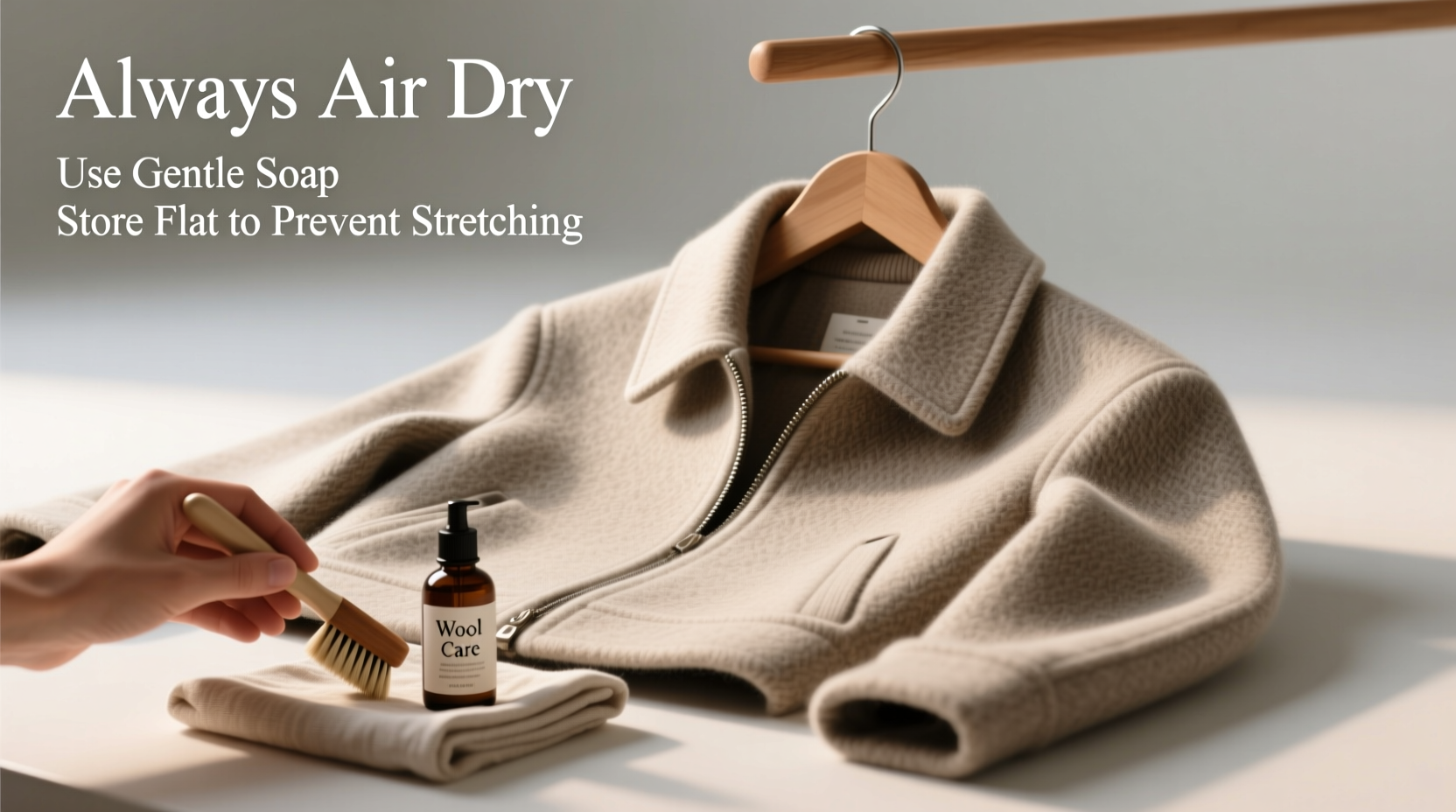
Not all wool blended jackets are created equal. A blend typically combines natural wool with synthetic fibers like polyester, nylon, or acrylic. These additions enhance durability, reduce wrinkling, and lower cost—but also change how the garment responds to heat, moisture, and friction. For example, a 70% wool / 30% polyester jacket behaves differently than one with 50/50 composition. Always check the care label inside the garment for specific instructions on washing, ironing, and dry cleaning.
The higher the wool content, the more delicate the care required. Natural wool fibers are prone to shrinking when exposed to hot water or agitation, while synthetics may resist but can trap odors or generate static. Knowing your blend empowers smarter decisions about cleaning frequency, storage, and wear cycles.
Proper Cleaning: When and How to Clean
Over-cleaning damages wool blends more than under-cleaning. Unlike cotton, wool has natural antimicrobial and moisture-wicking properties. Light odors often dissipate with airing. Frequent washing strips protective oils and accelerates pilling.
Dry cleaning should be reserved for visible soiling, spills, or after several wears (typically every 4–6 uses). Excessive dry cleaning exposes fibers to harsh solvents that degrade elasticity over time. If opting for home care, spot clean minor stains immediately using a damp cloth and mild detergent formulated for delicates. Never soak or machine wash unless explicitly permitted by the care label—and even then, use cold water and a gentle cycle sparingly.
“Wool doesn’t need frequent washing. Air it out overnight, and you’ll extend its life significantly.” — Lena Patel, Textile Preservation Specialist
Step-by-Step Guide to Spot Cleaning
- Blot excess liquid or debris gently with a clean, dry cloth.
- Dampen a microfiber cloth with cold water and a drop of pH-neutral detergent.
- Press lightly onto the stain—do not rub, as this spreads fibers and causes pilling.
- Rinse the area with a second damp cloth using only water.
- Pat dry with a towel and hang in a ventilated space away from direct heat.
- Once fully dry, use a soft clothing brush to restore texture.
Effective Storage Techniques
How you store your jacket between wears determines its longevity. Folding can create permanent creases, especially across shoulders and lapels. Instead, use a sturdy wooden or padded hanger that supports the shoulder line without distorting shape. Avoid wire hangers—they cause dimpling and misalignment over time.
Store in a cool, dry closet with good airflow. Humidity encourages mold; dry air prevents static. Use breathable cotton garment bags instead of plastic, which traps moisture and promotes mildew. In moth-prone climates, add cedar blocks or lavender sachets—natural repellents that avoid the brittleness caused by chemical mothballs.
| Care Step | Do | Don't |
|---|---|---|
| Storage | Use padded hangers, breathable garment bag | Fold for long periods, use plastic covers |
| Cleaning | Spot clean first, air out regularly | Machine wash frequently, use bleach |
| Ironing | Use low heat with pressing cloth | Apply direct high heat |
| Deodorizing | Air outside, use wool-safe spray | Apply perfumes directly |
Preventing and Managing Common Issues
Pilling, stretching, and stains are common challenges with wool blends. Pilling occurs due to friction—especially on sleeves and underarms. Prevent it by avoiding backpacks or seat belts rubbing against fabric. If pills appear, remove them with a fabric shaver or fine comb, never by hand-pulling.
Stains require immediate attention. Oil-based marks (like salad dressing) should be treated with cornstarch or talcum powder to absorb grease before cleaning. Water-based stains (coffee, wine) respond best to blotting and cold water. Ink or makeup may require professional treatment. Never apply heat until the stain is gone—this sets it permanently.
Real Example: Recovering a Misshandled Jacket
James, a marketing executive, accidentally machine-washed his navy wool-polyester blazer in warm water. It emerged visibly shrunken, with distorted shoulders and a stiff collar. He didn’t discard it. Instead, he soaked it in lukewarm water with a capful of hair conditioner for 30 minutes, gently reshaped it on a towel, and let it air dry flat. After steaming and brushing, the jacket regained much of its original drape. While not perfect, it remained wearable for another season—proving that even mistakes can be mitigated with prompt, correct action.
Seasonal Maintenance Checklist
To keep your wool blended jacket in peak condition year-round, follow this seasonal checklist:
- Spring: Clean and inspect before storing. Check for moths or weak seams.
- Summer: Store properly in a breathable bag with natural repellents. Avoid attics or basements.
- Fall: Air out before first wear. Brush gently to revive nap.
- Winter: Wear regularly but rotate often. Protect from snow and salt with an umbrella or coat cover.
In addition to seasonal care, perform monthly checks for loose buttons, frayed cuffs, or subtle stains. Address small issues early to prevent major repairs later.
FAQ
Can I steam my wool blended jacket at home?
Yes, steaming is ideal for removing wrinkles without damaging fibers. Hold a handheld steamer 6 inches from the fabric and move downward with light pressure. Never press with a hot iron directly on wool—always use a pressing cloth and low heat if ironing is necessary.
What should I do if my jacket gets wet in the rain?
Let it dry naturally at room temperature, hanging on a padded hanger. Do not use a heater or hairdryer. Once dry, brush the fabric gently to restore texture. If soaked through, consider professional cleaning to prevent water spots or internal staining.
How often should I have my jacket professionally cleaned?
Every 4–6 wears or once per season, depending on use. More frequent cleaning is only needed if stained or heavily soiled. Over-cleaning breaks down fibers and fades color over time.
Conclusion
A well-maintained wool blended jacket reflects more than taste—it signals respect for craftsmanship and sustainability. By rotating wear, storing correctly, cleaning mindfully, and addressing issues promptly, you preserve both aesthetic and structural integrity. These habits don’t just prolong life; they ensure confidence with every wear. Treat your jacket not as disposable fashion, but as a lasting investment in your wardrobe’s foundation.




 浙公网安备
33010002000092号
浙公网安备
33010002000092号 浙B2-20120091-4
Comments
No comments yet. Why don't you start the discussion?