
The iPhone 14 is a powerful device with an elegant design, but its sleek glass back and front make it vulnerable to cracks and damage when dropped. While Apple markets the phone as having durable materials, real-world use often involves unexpected slips—onto concrete, tile, or even gravel. A high-quality shockproof case is one of the most effective ways to prevent costly repairs. However, not all cases are created equal. Choosing the right protection requires understanding materials, drop ratings, fit, and everyday usability.
Understand What Makes a Case Truly Shockproof
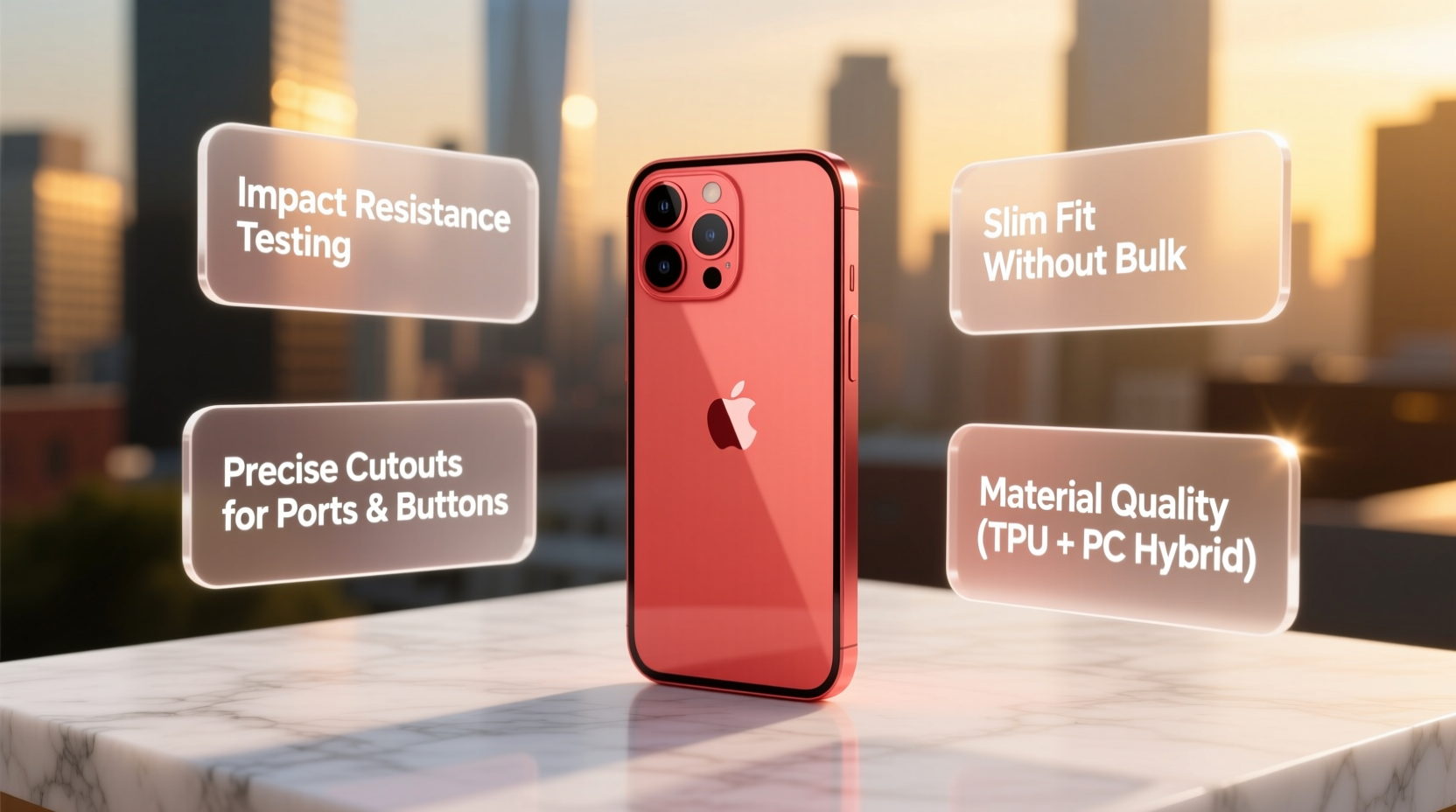
A “shockproof” label can be misleading if not backed by independent testing standards. True shock resistance means the case has been engineered to absorb and disperse impact energy before it reaches your phone’s chassis. Look for cases that meet military-grade drop-test standards, specifically MIL-STD-810G or higher. These tests simulate repeated drops from heights up to six feet onto hard surfaces like plywood over concrete.
Materials play a crucial role. Most premium shockproof cases use a dual-layer construction: a soft inner TPU (thermoplastic polyurethane) liner cushions the phone, while a rigid outer polycarbonate shell resists deformation. Some advanced models incorporate air pockets or corner bumpers filled with silicone gel to enhance shock absorption at the most vulnerable points.
Key Features to Look for When Buying a Shockproof Case
Selecting the best case isn't just about thickness—it's about intelligent design. Here are the critical features to prioritize:
- Elevated bezels: Raised edges around the screen and camera lens prevent direct contact with flat surfaces during face-down drops.
- Corner reinforcement: Over 70% of damaging impacts occur at the corners. Cases with reinforced corners offer superior protection.
- Precise cutouts: Ensure full access to ports, buttons, and speakers without compromising coverage.
- Wireless charging compatibility: The case should allow seamless Qi charging without removal.
- Grip texture: A non-slip exterior reduces accidental drops, especially in humid conditions or when hands are wet.
“Many users assume any bulky case offers protection, but poorly designed ones can actually increase damage risk by concentrating impact forces.” — David Lin, Mobile Device Engineer at TechShield Labs
Comparison of Top Shockproof Case Types for iPhone 14
| Case Type | Drop Protection | Thickness & Weight | Best For |
|---|---|---|---|
| Hybrid Dual-Layer | Excellent (MIL-STD certified) | Medium profile, moderate weight | Daily urban use, occasional outdoor activity |
| Rugged/Heavy-Duty | Superior (up to 10 ft drops) | Thick and heavy | Construction, hiking, extreme environments |
| Slim Shock-Absorbing | Good (3–5 ft tested) | Thin, lightweight | Minimalist users who want subtle protection |
How to Use Your Shockproof Case Effectively
Purchasing a high-performance case is only half the battle. Proper usage ensures long-term effectiveness.
- Inspect regularly: Check for cracks, warping, or loosening at stress points every few weeks. Even minor structural flaws reduce impact performance.
- Clean the interior: Dust and grit trapped between the case and phone can scratch the finish and create pressure points during impact.
- Avoid extreme temperatures: Prolonged exposure to heat (like left in a car) can degrade TPU linings, making them brittle over time.
- Don’t modify the case: Removing lanyard loops or trimming edges compromises structural integrity.
- Pair with a screen protector: No case fully shields the display. Combine with a tempered glass protector rated for edge-to-edge coverage.
Real-World Example: How One Case Prevented a Costly Repair
Sophia, a landscape photographer based in Colorado, was hiking near Red Rocks when her iPhone 14 slipped from her hand and fell nearly eight feet onto rocky terrain. She was using a MIL-STD-810G certified hybrid case with reinforced corners. After retrieving the phone, she found minor scuffing on the case—but no damage to the screen or body. Without the case, repair estimates for a shattered back panel and cracked display would have exceeded $320. Instead, she replaced only the case at a cost of $45.
This incident highlights how proper protection performs under real stress—not just lab conditions. It also underscores the importance of choosing a case tested beyond standard heights, especially for active lifestyles.
Step-by-Step Guide to Selecting and Installing Your Case
Follow this timeline to ensure optimal selection and setup:
- Week 1 – Research: Read verified customer reviews focusing on drop incidents. Prioritize brands with transparent testing data.
- Day 7 – Purchase: Buy from reputable retailers or directly from manufacturers known for quality control (e.g., OtterBox, Spigen, UAG).
- Day 8 – Unbox and Inspect: Examine the case for defects. Test button responsiveness and port alignment with your cables.
- Day 9 – Install Carefully: Align the iPhone precisely before pressing into place. Start from the bottom edge and gently snap each side.
- Ongoing – Monitor Performance: Every month, assess wear patterns and replace the case if internal lining detaches or outer shell shows microfractures.
Frequently Asked Questions
Do shockproof cases affect signal strength?
No, reputable shockproof cases are designed with non-interfering materials. Metal components, if present, are typically shielded or placed away from antenna bands. Always check product specifications for RF transparency confirmation.
Can I use my iPhone 14’s MagSafe accessories with a shockproof case?
Yes, but only if the case explicitly supports MagSafe. Many rugged cases now include built-in magnetic rings aligned for full-speed wireless charging and accessory attachment. Avoid third-party magnetic adapters—they may interfere with alignment and efficiency.
How long does a shockproof case last?
Most quality cases last 12–18 months with regular use. Signs it’s time to replace include yellowing (especially white TPU), loose fit, chipped corners, or reduced button feedback. Environmental exposure accelerates degradation.
Final Thoughts: Protect Your Investment Wisely
Your iPhone 14 represents more than just technology—it’s your camera, navigation tool, communication hub, and digital assistant. A well-chosen shockproof case extends its functional life and preserves resale value. Don’t wait for a fall to prove whether your protection works. Invest in a case that combines certified durability, smart ergonomics, and reliable compatibility.
Start by auditing your daily routine: Do you commute on a bike? Work outdoors? Carry your phone in a backpack? Match your case type to your lifestyle, not just aesthetics. And remember—protection is only as strong as its weakest point. Pair your case with a good screen protector and mindful handling habits.




 浙公网安备
33010002000092号
浙公网安备
33010002000092号 浙B2-20120091-4
Comments
No comments yet. Why don't you start the discussion?