
Running is one of the most accessible forms of exercise, but it comes with inherent risks—especially when traction is compromised. Slippery sidewalks, wet trails, or uneven pavement can turn a routine jog into an injury risk if your footwear lacks proper grip. Non-slip running shoes are designed to enhance stability and reduce the chance of falls, but not all models deliver equal performance. Choosing the right pair and using them correctly makes a critical difference in both safety and comfort.
Understanding Non-Slip Technology in Running Shoes
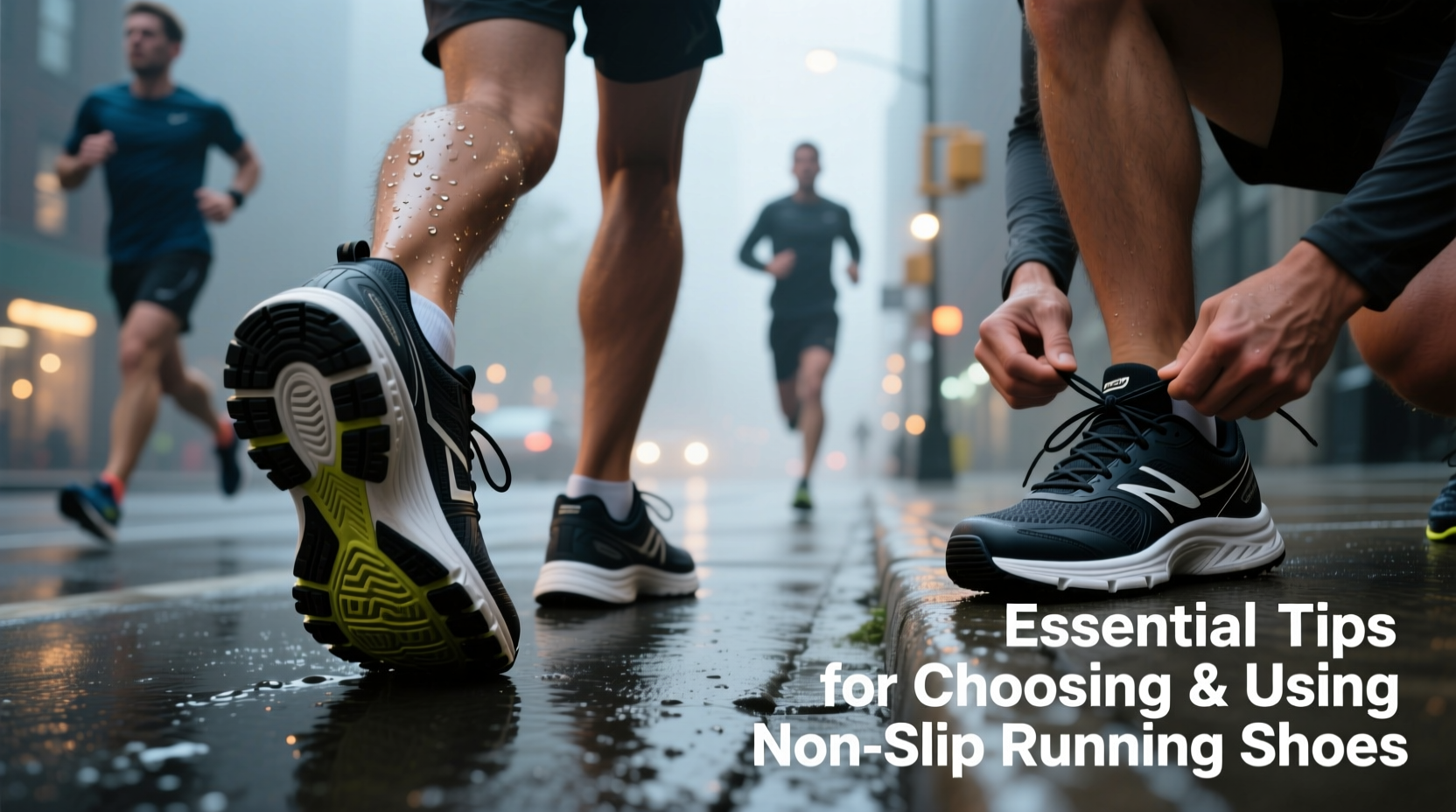
The term “non-slip” refers to a shoe’s ability to maintain traction on wet, slick, or uneven surfaces. In running shoes, this is achieved through specialized outsole materials, tread patterns, and rubber compounds. Unlike casual non-slip footwear used in kitchens or workplaces, running-specific non-slip shoes must balance grip with flexibility, breathability, and impact absorption.
The key component is the outsole—the bottom layer of the shoe. High-traction rubber, often labeled as \"carbon rubber\" or \"blown rubber,\" provides superior grip compared to standard EVA foam. Deep, multidirectional lugs (the raised patterns on the sole) help channel water away and bite into soft ground, while zigzag grooves improve lateral stability on slippery urban surfaces.
“Traction isn’t just about preventing slips—it’s about maintaining control during quick turns, downhill runs, and sudden stops.” — Dr. Lena Torres, Sports Podiatrist and Biomechanics Researcher
How to Choose the Right Non-Slip Running Shoes
Selecting the ideal non-slip running shoe involves more than just checking the sole. Fit, intended use, terrain, and personal biomechanics all play crucial roles. Here’s what to consider:
1. Match the Shoe to Your Running Environment
If you run primarily on city streets, prioritize shoes with durable rubber compounds that resist wear from concrete. For trail runners, deeper lugs and aggressive tread patterns are essential for mud, gravel, and wet rocks. Hybrid models offer moderate grip for mixed conditions.
2. Check the Outsole Composition
Not all rubber is created equal. Sticky rubber provides excellent grip but wears faster. Carbon rubber is more durable but slightly less tacky. Some brands use hybrid compounds like Michelin Rubber or Continental™ rubber, known for exceptional wet-surface performance.
3. Prioritize Fit and Foot Type
A shoe with perfect traction will fail if it doesn’t fit well. Overpronators need stability features; supinators benefit from cushioned, flexible soles. Visit a specialty running store for gait analysis if possible. Ensure there's a thumb’s width of space between your longest toe and the shoe tip.
4. Consider Weight and Flexibility
Extra grip often means added weight due to thicker soles. However, modern designs integrate lightweight high-traction rubbers without sacrificing agility. Test the shoe’s flex by bending it at the forefoot—it should bend easily where your foot does.
| Terrain | Recommended Tread Depth | Outsole Material | Example Use Case |
|---|---|---|---|
| Road (urban) | 3–5 mm | Carbon rubber, blown rubber | Wet pavement, light rain |
| Trail (mixed) | 5–8 mm | Sticky rubber, multi-lug design | Muddy paths, forest trails |
| Technical Trail | 8+ mm | Aggressive lug pattern, sticky compound | Rocky descents, steep inclines |
| Treadmill/Indoor | 3 mm | Smooth rubber | Gym use, controlled environment |
Proper Usage and Maintenance for Long-Term Safety
Even the best non-slip shoes lose effectiveness over time. Regular maintenance and correct usage extend their life and ensure consistent performance.
Step-by-Step Guide to Maintaining Grip
- Clean after each run: Rinse off mud, dirt, and debris with lukewarm water. Avoid soaking or using harsh detergents.
- Air dry naturally: Never place shoes near direct heat sources like radiators, which can harden rubber and reduce traction.
- Inspect the outsole monthly: Look for smooth patches, cracks, or worn-down lugs. Replace shoes when tread depth visibly decreases.
- Rotate between two pairs: This allows each pair to decompress and dry fully, preserving midsole and outsole integrity.
- Store in a cool, dry place: Keep shoes away from UV light and moisture to prevent material degradation.
Real-World Example: Preventing a Fall During a Rainy Run
Sarah, a recreational runner in Seattle, regularly jogs on tree-lined paths prone to morning dew and autumn rain. She once slipped on a moss-covered sidewalk despite wearing her usual trainers. After consulting a running coach, she switched to a trail-inspired road shoe with Continental rubber outsoles and multidirectional treads. During a recent downpour, she navigated the same stretch without incident. “The difference was immediate,” she said. “I could feel my feet gripping instead of skidding.” Her experience underscores how purpose-built non-slip shoes directly impact real-world safety.
Checklist: Selecting & Using Non-Slip Running Shoes Safely
- ✅ Assess your primary running surface (road, trail, track)
- ✅ Choose shoes with high-traction rubber outsoles
- ✅ Confirm proper fit and arch support
- ✅ Test grip on wet surfaces before long runs
- ✅ Clean soles regularly to maintain tread effectiveness
- ✅ Replace shoes every 300–500 miles or when tread shows wear
- ✅ Rotate footwear to prolong lifespan
- ✅ Avoid wearing running shoes on highly oily or icy surfaces
Frequently Asked Questions
Can non-slip running shoes prevent ankle sprains?
While no shoe eliminates injury risk entirely, non-slip soles significantly reduce the likelihood of slips that lead to awkward landings or twists. Enhanced traction helps maintain stability on unpredictable surfaces, indirectly lowering sprain risk.
Are expensive running shoes always better for grip?
Not necessarily. While premium models often use advanced rubber compounds, some mid-range options from reputable brands (like Saucony, Brooks, or Hoka) offer excellent traction. Always test the shoe’s grip in real conditions rather than relying solely on price or branding.
Do non-slip shoes work on ice?
Standard non-slip running shoes are not designed for icy conditions. They perform well on wet pavement or damp trails but lack the micro-cleats or thermal insulation needed for winter ice. For icy terrain, consider dedicated winter running shoes with spikes or traction add-ons.
Final Thoughts: Invest in Safety, One Step at a Time
Your running shoes are the only point of contact between you and the ground. Choosing a reliable non-slip model isn’t just about comfort—it’s a fundamental part of injury prevention and performance. Whether you're navigating rainy city streets or muddy forest trails, the right footwear gives you confidence, control, and peace of mind.
Don’t wait for a fall to reconsider your gear. Evaluate your current shoes, assess your running environment, and make informed upgrades. Small changes in footwear can lead to significant improvements in safety and enjoyment.




 浙公网安备
33010002000092号
浙公网安备
33010002000092号 浙B2-20120091-4
Comments
No comments yet. Why don't you start the discussion?