
As the temperature drops and leaves begin to fall, many dog owners face a new challenge: keeping their pets warm, dry, and safe during outdoor walks. While some dogs thrive in cold weather thanks to thick double coats, others—especially small breeds, seniors, or short-haired dogs—can struggle when exposed to chilly winds, rain, or snow. A well-chosen dog outfit can make all the difference, offering protection without compromising comfort. However, not all dog clothing is created equal. The right gear balances insulation, fit, mobility, and durability while considering your dog’s unique needs.
Understand Your Dog’s Cold Weather Needs
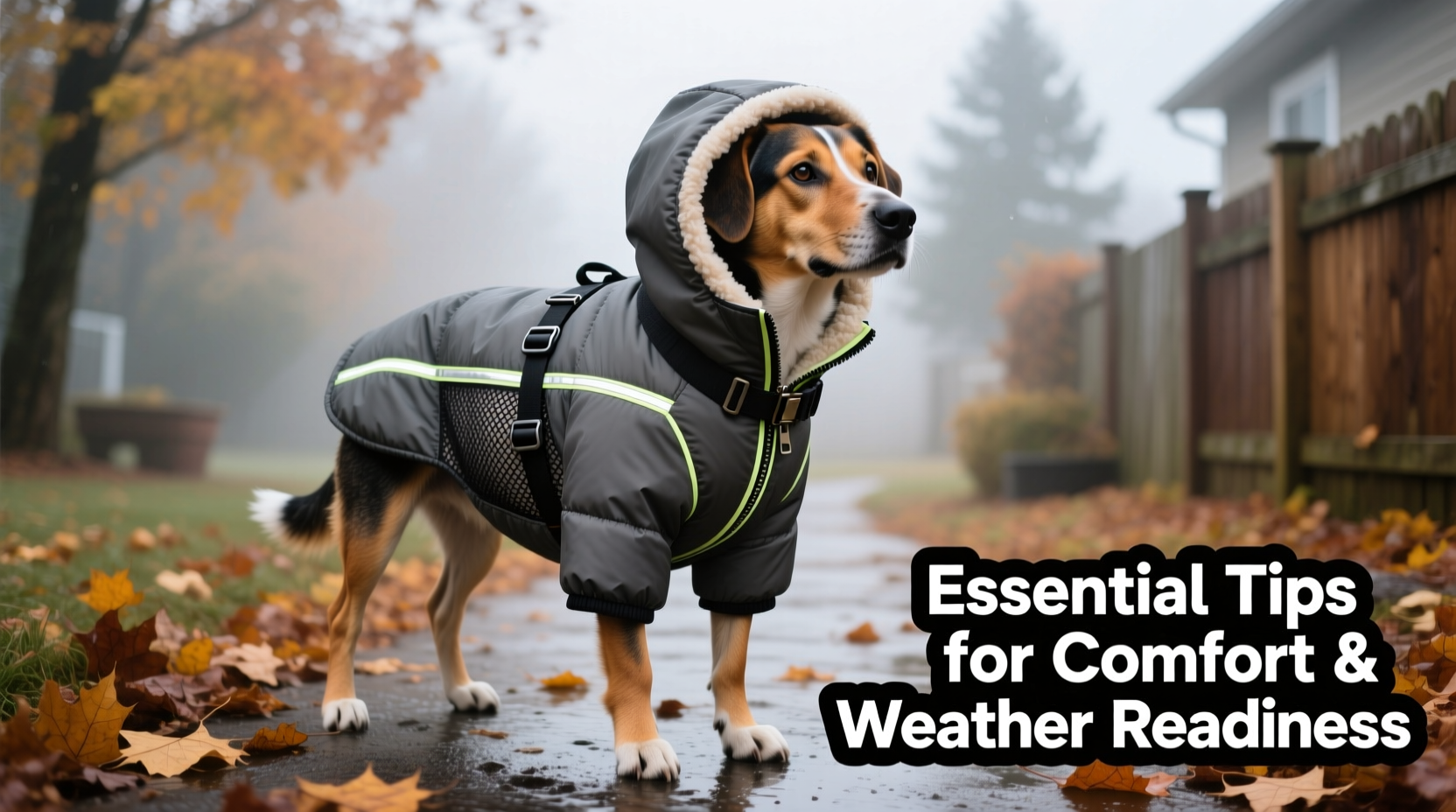
Dogs vary widely in their tolerance to cold. Breeds like Huskies and Malamutes are built for sub-zero climates, while Chihuahuas, Greyhounds, and Dachshunds lose body heat quickly due to low body fat and minimal fur. Age and health also play a role—older dogs and those with arthritis may feel the cold more acutely.
The general rule is that if you’re feeling cold, your dog likely is too—especially if they’re shivering, lifting paws, or reluctant to walk. According to Dr. Linda Wilson, a veterinarian specializing in canine wellness, “Dogs with thin coats or medical conditions should be dressed appropriately below 45°F (7°C), particularly in wet or windy conditions.”
“Even brief exposure to damp cold can lead to respiratory stress in vulnerable dogs. Protective clothing isn’t just about comfort—it’s part of responsible care.” — Dr. Linda Wilson, DVM, Canine Wellness Specialist
Key Features of Effective Winter Dog Apparel
When shopping for autumn and winter dog outfits, focus on functionality first. A stylish coat won’t help if it soaks through in the rain or restricts movement. Prioritize these elements:
- Insulation: Look for materials like fleece, thermal lining, or synthetic down that trap body heat without adding bulk.
- Water Resistance: A waterproof or water-repellent outer shell keeps moisture out during rainy walks or snowy playtime.
- Breathability: Even in winter, dogs generate heat when active. Fabrics should allow moisture vapor to escape to prevent overheating and dampness under the coat.
- Coverage: Ideal coverage includes the back, chest, and belly. Some designs extend to the neck or include hoods for extreme weather.
- Mobility: Ensure sleeves (if present) don’t limit leg movement and that the cut allows natural gait and bathroom breaks.
Finding the Perfect Fit: Sizing and Adjustability
A poorly fitting dog coat can cause chafing, restrict breathing, or slip off entirely. To get the right size:
- Measure from the base of the neck to the base of the tail (back length).
- Measure around the deepest part of the chest (just behind the front legs).
- Check the manufacturer’s size chart—never assume small, medium, large will align across brands.
Look for adjustable features such as Velcro straps, elastic waistbands, or snap closures at the neck and chest. These allow fine-tuning for different body shapes. Avoid garments with tight necklines or stiff zippers near sensitive areas.
| Dog Size | Back Length (inches) | Chest Girth (inches) | Recommended Use |
|---|---|---|---|
| Extra Small (e.g., Yorkie) | 8–10 | 12–16 | Light wind protection, indoor use |
| Small (e.g., Beagle) | 11–14 | 17–22 | Daily walks in cool weather |
| Medium (e.g., Cocker Spaniel) | 15–18 | 23–28 | Rainy or moderately cold climates |
| Large (e.g., Labrador) | 19–24 | 29–36 | Heavy-duty winter wear, snow activities |
Choosing the Right Type of Outfit for Different Conditions
Not every season calls for the same gear. Match the clothing to the weather and activity level:
- Fleece Vests: Ideal for mild autumn days. Lightweight and breathable, they provide core warmth without overheating.
- Raincoats: Waterproof shells with reflective strips are essential for wet seasons. Look for taped seams and a high collar.
- Insulated Coats: Best for freezing temperatures. Often feature thermal linings and full belly coverage.
- Sweaters: Great for indoor use or very short outdoor trips. Less durable than technical outerwear but cozy for older dogs indoors.
- Booties: Protect paws from ice, salt, and chemicals. Choose non-slip soles and secure ankle straps.
Real-World Example: Preparing Max, a Senior Dachshund, for Winter
Max, a 10-year-old Dachshund in upstate New York, began showing signs of stiffness and reluctance to go outside once temperatures dropped below 40°F. His owner, Sarah, consulted her vet, who recommended joint support and protective clothing. She measured Max carefully and selected a waterproof insulated coat with belly coverage and an adjustable chest strap. After a few days of acclimation—letting him wear it indoors with treats—Max began tolerating short walks even in light snow. Within weeks, his mobility improved, and he no longer hesitated at the door. The right outfit didn’t just keep him warm—it improved his quality of life.
Step-by-Step Guide to Selecting and Using Dog Winter Gear
- Assess your dog’s needs: Consider breed, age, health, and typical outdoor exposure.
- Take accurate measurements: Use a soft tape measure and record both back length and chest girth.
- Choose the appropriate garment type: Raincoat for wet climates, insulated coat for cold, vest for mild chill.
- Purchase from a reputable brand: Read reviews and check return policies in case of fit issues.
- Introduce the outfit gradually: Let your dog wear it indoors with positive reinforcement.
- Monitor during use: Watch for signs of discomfort, overheating, or restricted movement.
- Clean regularly: Follow care instructions to maintain fabric performance and hygiene.
Common Mistakes to Avoid
- Buying oversized coats “to grow into”—this increases risk of tripping and reduces warmth.
- Using human clothing not designed for quadruped movement.
- Leaving dogs unattended in clothing, especially around heaters or sharp objects.
- Ignoring paw protection—salt and ice can damage pads even if the body is warm.
- Overdressing active dogs, leading to overheating during exercise.
Frequently Asked Questions
Do all dogs need winter clothes?
No. Dogs with thick, natural coats like Siberian Huskies or Newfoundlands typically don’t require additional layers unless exposed to extreme conditions. However, small, short-haired, young, old, or medically compromised dogs benefit significantly from proper winter attire.
How do I clean my dog’s winter coat?
Always follow the manufacturer’s instructions. Most fleece and waterproof coats can be machine washed on gentle cycle with mild detergent. Air dry completely to preserve waterproof coatings and prevent shrinkage. Avoid fabric softeners, which can degrade technical fabrics.
Can dogs overheat in winter clothing?
Yes. Overheating is a real risk, especially during active play or if multiple layers are used. Signs include excessive panting, restlessness, or seeking shade. Remove the garment if your dog shows discomfort or if indoor temperatures rise.
Final Checklist Before Buying
- ✅ Accurate measurements taken?
- Double-check length and chest girth.
- ✅ Weather-appropriate material chosen?
- Water-resistant for rain, insulated for snow.
- ✅ Adjustable fit confirmed?
- Versatile fastenings ensure security and comfort.
- ✅ Reflective details included?
- Important for visibility in early darkness.
- ✅ Easy bathroom access?
- Bottom opening or stretchy fabric prevents accidents.
Stay Proactive, Stay Prepared
Winter doesn’t have to mean reduced outdoor time for your dog. With thoughtful preparation and the right clothing, you can extend safe, enjoyable walks throughout the colder months. Comfort, safety, and mobility should guide every decision—not just appearance. By understanding your dog’s individual needs and investing in well-fitting, functional apparel, you ensure they remain healthy, happy, and protected from the elements.




 浙公网安备
33010002000092号
浙公网安备
33010002000092号 浙B2-20120091-4
Comments
No comments yet. Why don't you start the discussion?