
A designer tote bag is more than just an accessory—it’s a statement of personal style, a symbol of practicality, and often, a long-term investment. With so many options on the market, from timeless classics to seasonal runway pieces, selecting the right one can feel overwhelming. The ideal tote should not only complement your wardrobe but also support your daily routine, whether you're commuting to work, running errands, or traveling for pleasure. Choosing wisely means balancing aesthetics with durability, structure with comfort, and brand prestige with real-world usability.
Assess Your Lifestyle Needs First
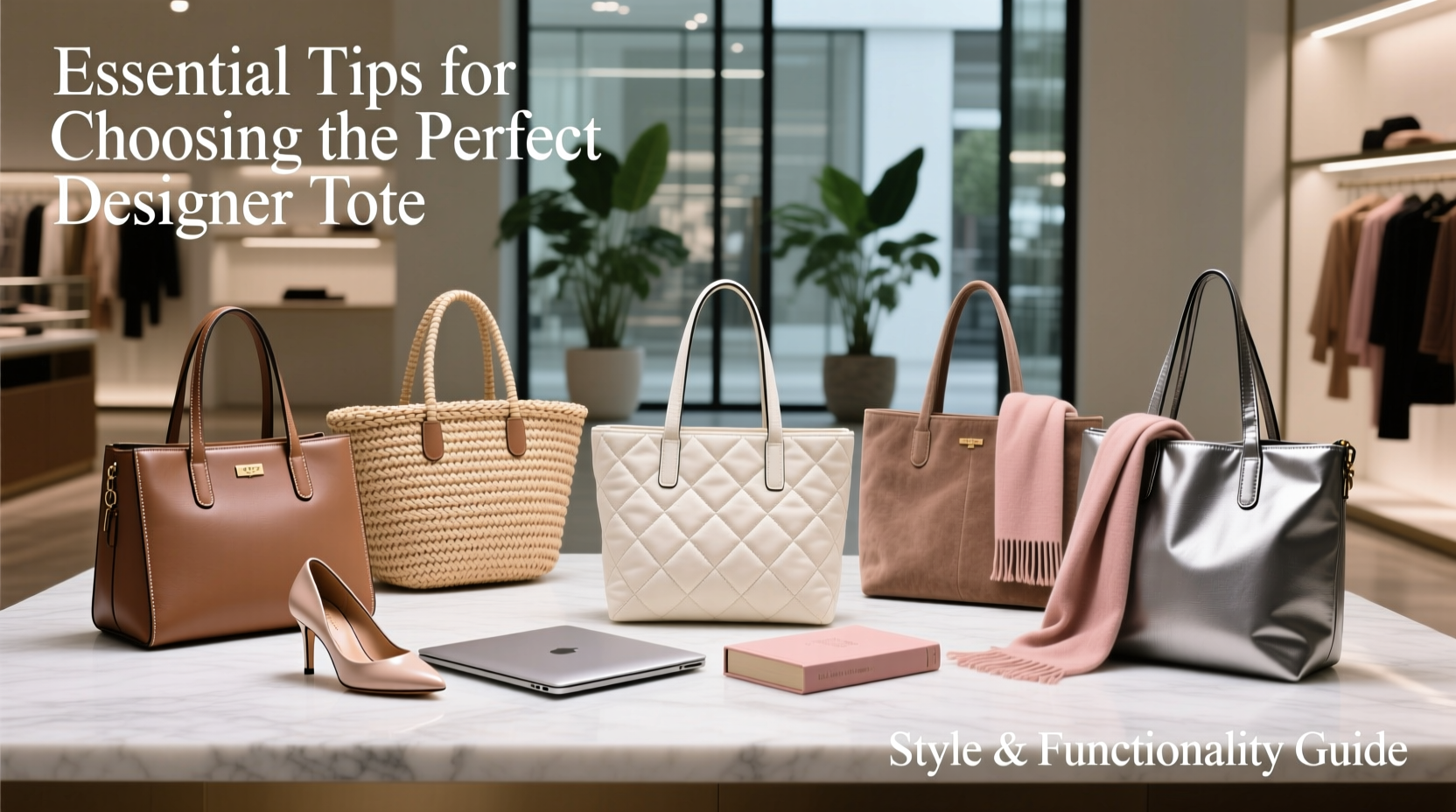
Before falling in love with a sleek silhouette or a bold logo, consider how you’ll use the bag. A tote that looks stunning in a fashion editorial might not be practical for carrying a laptop, gym clothes, and a water bottle. Start by identifying your primary use: office wear, weekend outings, travel, or special events. Each scenario demands different features—such as padded laptop compartments, interior pockets, or lightweight materials.
For professionals, a structured tote with clean lines and professional appeal works best. Those with active lifestyles may prioritize adjustable straps, water-resistant linings, or easy-clean fabrics. If you frequently switch between roles—mother, entrepreneur, traveler—a versatile tote that transitions seamlessly from day to evening becomes essential.
Evaluate Material and Craftsmanship
The material of a designer tote directly impacts its longevity, weight, and maintenance needs. Common choices include full-grain leather, pebbled leather, canvas, suede, and vegan alternatives. Full-grain leather ages beautifully and develops a rich patina over time, making it a favorite among connoisseurs. However, it requires regular conditioning to prevent drying and cracking.
Pebbled leather offers greater scratch resistance and is easier to maintain, ideal for urban environments. Canvas totes are lightweight and casual but may lack the polished look needed for formal settings. Suede exudes elegance but is prone to staining and moisture damage, requiring careful handling.
Craftsmanship indicators include even stitching, reinforced stress points (like handles and strap attachments), and high-quality hardware. Zippers should glide smoothly; clasps must snap securely. Look inside: a well-lined interior with thoughtfully placed pockets reflects attention to detail.
“Luxury isn’t just about the label—it’s in the details. A perfectly aligned seam or a discreet internal organizer can elevate a tote from good to exceptional.” — Clara Montes, Luxury Accessories Curator at Atelier Edit
Size and Proportion: Finding the Right Fit
A tote that’s too large can overwhelm your frame and become cumbersome; one that’s too small defeats the purpose of carrying essentials. The ideal size depends on both your body type and usage. Petite women often benefit from medium-sized totes (approx. 12–15 inches wide), while taller individuals can carry larger formats without imbalance.
Consider proportions: the bag should rest comfortably at hip level when carried by hand. Shoulder straps, if present, should allow the tote to sit snugly against your side without slipping. Over-the-shoulder styles need enough drop length (typically 9–11 inches) to stay secure during movement.
| Body Type | Recommended Tote Width | Strap Drop Length |
|---|---|---|
| Petite (under 5'4\") | 10–13 inches | 8–10 inches |
| Average (5'4\"–5'8\") | 13–16 inches | 9–11 inches |
| Taller (over 5'8\") | 15–18 inches | 10–12 inches |
Functional Design Features That Matter
Style captures attention, but functionality ensures lasting satisfaction. Prioritize design elements that enhance usability:
- Interior organization: Multiple compartments, zip pockets, and slip sleeves keep items accessible and prevent clutter.
- Closure mechanisms: Open-top totes offer easy access but risk losing small items. Magnetic snaps or zipper tops provide security without sacrificing elegance.
- Base structure: A flat or reinforced bottom allows the bag to stand upright and protects contents from floor contact.
- Weight distribution: Dual handles should be wide enough to avoid digging into your palms. For shoulder carry, padding or rolled detailing adds comfort.
Some modern designer totes come with removable crossbody straps or detachable pouches, increasing versatility. These modular designs let you adapt the bag to different occasions—ideal for those who value flexibility.
Mini Case Study: Sarah’s Commuter Dilemma
Sarah, a marketing executive in Chicago, loved her minimalist white leather tote. It looked sharp in client meetings, but after six months of daily subway commutes, it showed scuffs, stretched handles, and a stained interior. She switched to a medium-sized pebbled leather tote with a zip closure, interior laptop sleeve, and protective base feet. Though less “Instagrammable” at first glance, it endured rain, crowded trains, and back-to-back meetings. After a year, it still looked pristine—proof that thoughtful design outlasts fleeting trends.
Brand Reputation and Long-Term Value
Designer bags vary widely in price and resale potential. Iconic brands like Celine, Loewe, and Bottega Veneta consistently hold value due to limited production, timeless silhouettes, and strong demand in the pre-owned market. Researching a model’s resale history can inform your decision—some totes appreciate over time.
However, don’t assume higher price equals better value. Examine the cost-per-wear: a $2,000 tote used twice a month costs more per use than a $800 tote carried daily. Also, consider brand ethics and sustainability. Labels like Stella McCartney and Gabriela Hearst emphasize eco-conscious materials and transparent sourcing—important factors for conscious consumers.
Checklist: How to Choose the Perfect Designer Tote
- Determine your primary use (work, travel, casual).
- List daily essentials to assess required capacity.
- Choose a material suited to your climate and lifestyle.
- Ensure proper proportions for your height and build.
- Test functionality: zippers, pockets, strap comfort.
- Verify craftsmanship: stitching, lining, hardware quality.
- Research brand reputation and resale value.
- Consider care requirements and maintenance effort.
- Try before you buy—visit a boutique if possible.
- Ask: Will I still love this in two years?
Frequently Asked Questions
Can a designer tote be both stylish and practical?
Absolutely. Brands like The Row, Polène, and Wandler excel at merging minimalist elegance with smart functionality. Look for clean exteriors paired with intuitive interiors—this balance defines modern luxury.
How do I know if a tote is worth the investment?
Evaluate frequency of use, emotional attachment, and durability. If you foresee using it weekly for years, and it’s made with premium materials, it’s likely a sound investment. Compare similar models on resale platforms like Rebag or Vestiaire Collective to gauge long-term value.
Are vegan leather totes a viable alternative?
Yes, especially with advancements in plant-based and lab-grown materials. High-end vegan leathers from brands like Matt & Nat or JW Pei offer durability and texture comparable to animal leather, with a lower environmental footprint. Just verify the construction—cheap synthetics often peel or crack prematurely.
Final Thoughts: Make It Yours
The perfect designer tote isn’t about following trends or collecting logos. It’s about finding a piece that aligns with your rhythm—your commute, your posture, your taste. It should feel like an extension of your identity, not a burden to carry. When style meets substance, the result is effortless confidence. Take your time, trust your instincts, and invest in a tote that doesn’t just hold your belongings, but supports your life.




 浙公网安备
33010002000092号
浙公网安备
33010002000092号 浙B2-20120091-4
Comments
No comments yet. Why don't you start the discussion?