
Traveling light doesn’t mean compromising organization. For modern men, a well-chosen toiletry bag is more than just an accessory—it’s a functional necessity. Whether you're navigating airport security, packing for a weekend getaway, or preparing for a business trip, the right toiletry bag keeps your essentials secure, accessible, and leak-free. Yet, with countless options flooding the market, selecting the ideal one can feel overwhelming. The key lies in understanding your needs, evaluating materials, and prioritizing smart design over fleeting trends.
Assess Your Travel Habits First
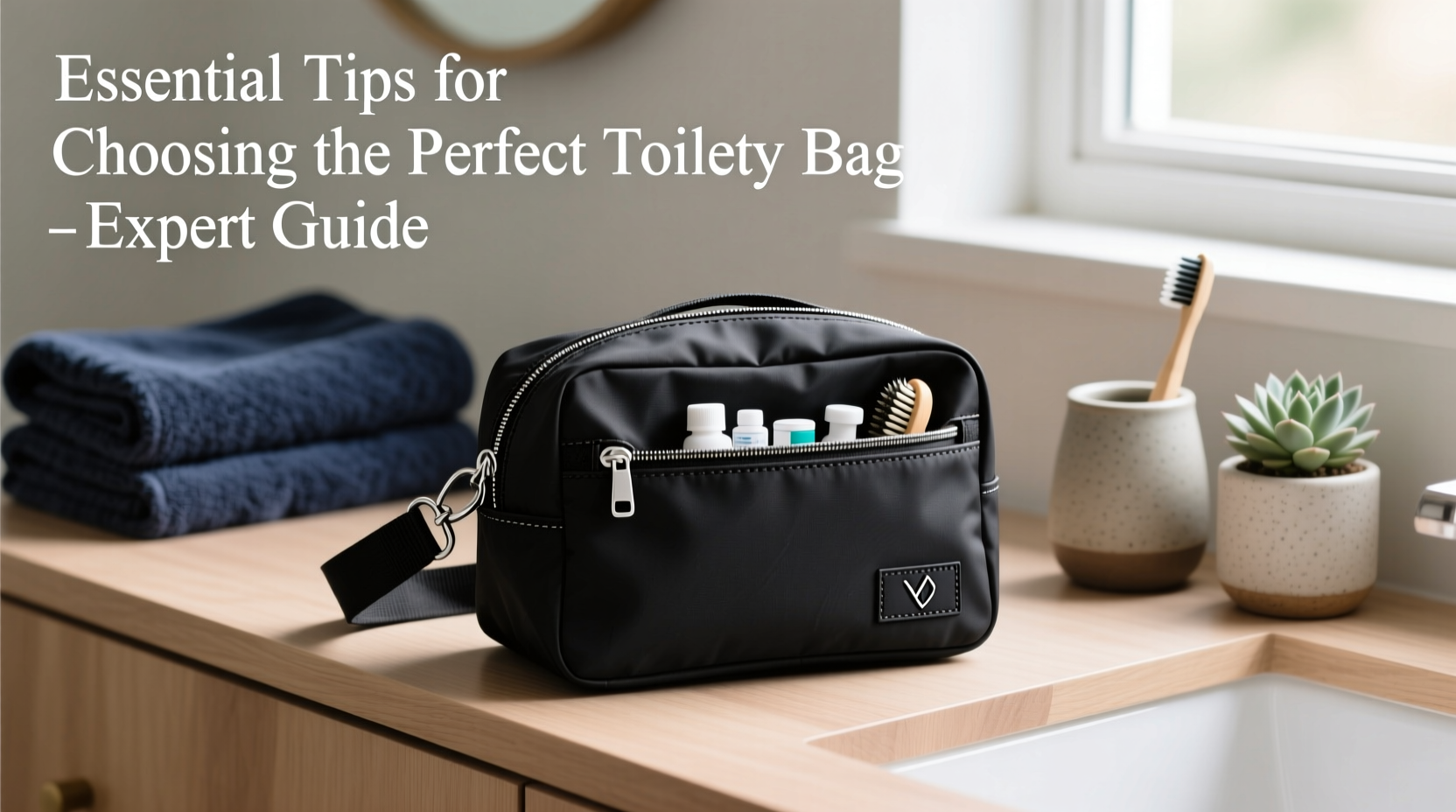
Before browsing brands or price points, consider how and where you’ll use the bag. A frequent flyer needs different features than someone who only travels seasonally. Think about your typical trip duration, mode of travel, and personal grooming routine.
For example, business travelers often benefit from sleek, compact designs that fit easily into carry-ons. Backpackers may prefer rugged, water-resistant models with multiple compartments. Weekend trips call for smaller, lightweight bags, while extended stays require larger capacity and better internal organization.
Your daily hygiene routine also plays a role. Do you carry a full skincare regimen? Multiple grooming tools? Or just the basics—razor, toothbrush, deodorant? The more products you use, the more critical compartmentalization becomes.
Material Matters: Durability vs. Weight
The material of your toiletry bag directly affects its longevity, weight, and resistance to moisture. Each option comes with trade-offs. Here's a breakdown of the most common materials used in men’s toiletry bags:
| Material | Pros | Cons |
|---|---|---|
| Nylon | Lightweight, water-resistant, durable, easy to clean | Can look utilitarian; less premium feel |
| Polyester | Affordable, colorfast, moderately durable | Less breathable; prone to odor retention if not aired |
| Leather (Genuine or Vegan) | Elegant appearance, ages well, sturdy | Heavier, absorbs moisture, requires maintenance |
| Tarpaulin / TPU-Coated Fabrics | Fully waterproof, wipe-clean interior, highly durable | Bulkier, less flexible when empty |
| Meshtex / Mesh Linings | Ventilated, dries quickly, ideal for wet items | Not standalone; usually part of composite construction |
For most travelers, a hybrid approach works best—nylon or tarpaulin exterior with a mesh-lined interior. This combination offers durability, moisture protection, and breathability. Avoid thin polyester unless you’re using the bag infrequently.
“Men increasingly value function without sacrificing style. The best toiletry bags balance ruggedness with refinement.” — Daniel Reyes, Product Designer at Voyage Gear Co.
Size and Organization: Finding the Sweet Spot
Too small, and you’ll struggle to fit essentials. Too large, and it becomes a disorganized clutter trap. The ideal size depends on your usage, but general guidelines apply.
- Compact (6–8 inches): Best for carry-ons and minimalists. Holds 5–7 essentials like toothbrush, paste, razor, deodorant, and travel-sized shampoo.
- Medium (9–11 inches): Ideal for weekend trips or business travel. Offers dedicated pockets for bottles, brushes, and electronics like electric shavers.
- Large (12+ inches): Suited for extended trips or those with elaborate grooming routines. May include hanging hooks, removable trays, or dual compartments.
Internal layout is equally important. Look for:
- Clear zippered pockets for small items (contact lens cases, nail clippers)
- Deep main compartment with elastic loops or dividers
- Separate wet/dry zones or roll-top closures for leak containment
- Transparent inner pockets for quick identification
Real-World Scenario: The Business Traveler’s Dilemma
James, a sales executive based in Chicago, used to toss his toiletries into a flimsy pouch. During a layover in Frankfurt, a leaky cologne sample ruined his dress shirts. Frustrated, he invested in a medium-sized nylon toiletry bag with a sealed TPU lining and internal bottle holder. The new bag had a hook for hanging in hotel bathrooms and a discreet pocket for TSA-approved liquids. Within months, he noticed fewer spills, faster packing, and even compliments from colleagues. His upgrade wasn’t just about convenience—it reduced stress and saved money on replacements.
This case illustrates a universal truth: the right bag prevents avoidable problems. It’s not an expense—it’s damage control with benefits.
Key Features That Make a Difference
Beyond material and size, specific features elevate a toiletry bag from average to exceptional. Prioritize these when comparing options:
- Waterproof or water-resistant lining: Essential for containing leaks and simplifying cleanup.
- Hanging hook or loop: Allows hands-free access in cramped hotel bathrooms.
- Odor-resistant or antimicrobial interior: Especially valuable for gym-goers or those storing damp items.
- Dual-zipper pulls: Enable smooth opening and allow padlocking for added security in shared accommodations.
- External quick-access pocket: Perfect for keeping frequently used items like lip balm or hand sanitizer within reach.
- Compact folding or roll-up design: Maximizes space efficiency when not in use.
Avoid bags with excessive branding or flashy colors unless that aligns with your personal style. Subtle, neutral tones like charcoal, navy, or olive green tend to stay relevant longer and are less likely to show stains.
Checklist: How to Choose Your Toiletry Bag
Before purchasing, run through this checklist to ensure you’re making a smart decision:
- ✅ Matches your typical travel duration and frequency
- ✅ Made from durable, easy-to-clean material (e.g., nylon, tarpaulin)
- ✅ Has a waterproof or water-resistant interior lining
- ✅ Includes a hanging hook or wall loop
- ✅ Offers organized compartments for bottles and small items
- ✅ Fits within airline liquid limits if you fly often
- ✅ Feels sturdy—zippers glide smoothly, seams are reinforced
- ✅ Balances size with portability—doesn’t add unnecessary bulk
Frequently Asked Questions
Can I use a regular dopp kit for international travel?
Yes, but only if it meets TSA and international liquid regulations (containers 3.4 oz/100ml or less, stored in a clear quart-sized bag). Many modern dopp kits now include a transparent secondary pouch for compliance.
How do I clean my toiletry bag?
For fabric bags, wipe the interior with a damp cloth and mild soap. Let it air dry completely before repacking. For leather, use a specialized cleaner and conditioner. Never machine wash unless the manufacturer specifies it’s safe.
Are leather toiletry bags worth it?
They offer a refined aesthetic and long-term durability, but require more maintenance. Best suited for occasional travelers who prioritize style and don’t mind wiping down after use. Not ideal for humid climates or heavy daily use.
Final Thoughts: Invest in Function, Not Just Fashion
A toiletry bag might seem like a minor detail, but its impact on your travel experience is outsized. The right one streamlines your routine, protects your belongings, and reflects a mindset of preparedness. Don’t settle for generic designs or bargain-bin materials. Instead, choose a bag that aligns with how you live, travel, and groom. Focus on quality zippers, smart layout, and resilient fabrics. Whether you spend $30 or $150, the return on investment is measured in time saved, messes avoided, and confidence gained.




 浙公网安备
33010002000092号
浙公网安备
33010002000092号 浙B2-20120091-4
Comments
No comments yet. Why don't you start the discussion?