
Delicate pillowcases—especially those adorned with intricate embroidery, lace, or printed designs—are more than just functional bedding items. They are expressions of personal style and comfort. However, their beauty often comes at the cost of fragility. Harsh washing, improper drying, or exposure to strong chemicals can fade colors, distort patterns, or damage fine fabrics like silk, satin, or cotton voile. Preserving these textiles requires thoughtful care that balances cleanliness with conservation.
Unlike standard cotton pillowcases, patterned and delicate versions demand specific handling to maintain their integrity. The goal isn’t just hygiene but longevity—keeping your pillowcases looking fresh and vibrant after dozens of washes. With the right techniques, you can enjoy both elegance and practicality without compromising either.
Understand Your Fabric and Pattern Type
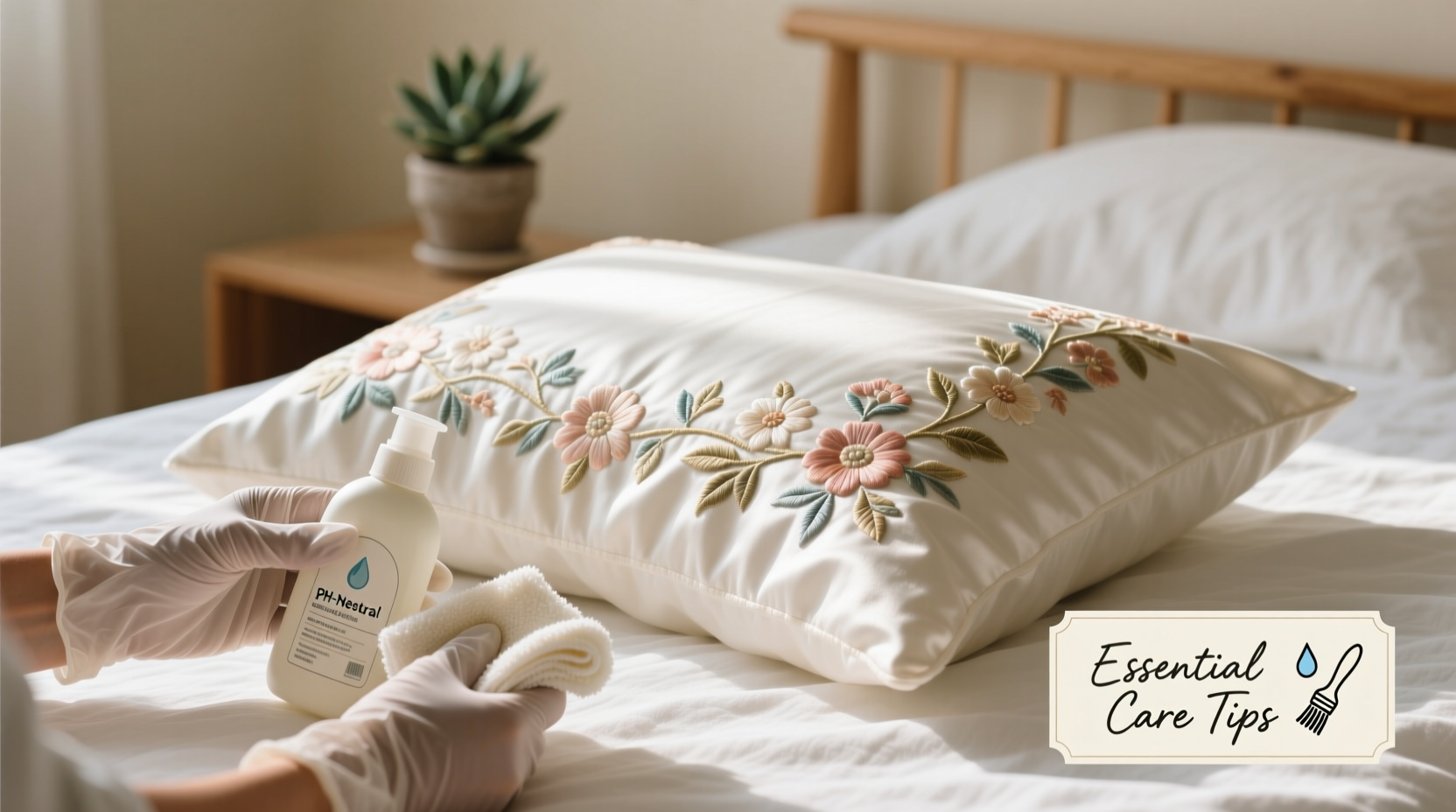
The first step in safe maintenance is identifying what you're working with. Different materials react differently to water, detergents, and mechanical agitation. Similarly, printing techniques (such as digital prints, screen prints, or hand-painted designs) vary in durability.
- Silk and Silk Blends: Luxurious but sensitive to heat, friction, and alkaline substances. Prone to water spotting and color bleeding.
- Satin (Polyester or Silk): Smooth and lustrous, but snagging and pilling can occur if washed improperly.
- Cotton Voile or Lawn: Lightweight and breathable, ideal for detailed embroidery, yet susceptible to shrinking if dried at high temperatures.
- Lace-Trimmed Edges: Often made from synthetic fibers or fine cotton; easily stretched or torn during machine washing.
Always check the care label. If it says “hand wash only” or “dry clean recommended,” follow it closely. When no label exists, assume the most delicate care possible until you confirm otherwise.
“Many people ruin beautiful textiles simply because they treat them like regular bedding. Delicate patterns require deliberate care.” — Lena Patel, Textile Conservation Specialist
Step-by-Step Guide: Safe Washing Procedure
Cleaning delicate pillowcases doesn’t have to be complicated, but it does require attention to detail. Follow this timeline to ensure optimal results:
- Inspect Before Washing: Check for loose threads, snags, or stains. Address any spots immediately using a gentle stain remover suitable for delicates.
- Turn Inside Out: This protects the outer surface and pattern from abrasion during washing.
- Use a Mesh Laundry Bag: Especially important for machine washing. It reduces friction and prevents lace edges from catching on other garments.
- Select Cold Water and Gentle Cycle: Hot water can set stains and cause dyes to bleed. Always use cold water below 30°C (86°F).
- Choose Mild Detergent: Use a pH-neutral, dye-free, fragrance-free detergent formulated for delicates. Avoid bleach or fabric softeners, which degrade fibers over time.
- Wash Separately or with Similar Items: Never wash delicate pillowcases with towels, jeans, or zippers that could pull or scratch the fabric.
- Air Dry Flat: Lay the pillowcase flat on a clean towel, reshaping it gently to its original dimensions. Avoid hanging, which can stretch embroidered areas or distort lace borders.
Do’s and Don’ts: Quick Reference Table
| Do’s | Don’ts |
|---|---|
| Use cold water and short cycles | Use hot water or extended wash times |
| Wash inside a mesh bag | Wash with heavy or abrasive fabrics |
| Hand wash when in doubt | Soak for long periods (over 30 minutes) |
| Iron on low heat with a pressing cloth | Apply direct high heat or steam directly on prints |
| Store folded in a cool, dry drawer | Store damp or in plastic bags where moisture traps |
Real Example: Preserving Heirloom Embroidery
Sophie inherited a set of vintage linen pillowcases from her grandmother, each featuring hand-stitched floral motifs along the borders. Eager to use them, she initially washed them in her regular laundry load. After one cycle, she noticed faint fading and slight fraying near the corners.
She consulted a local textile restorer, who advised switching to hand washing with lukewarm water and baby shampoo. Sophie now soaks the pillowcases for no more than 10 minutes, rinses twice, and lays them flat between clean towels to absorb excess moisture. She avoids wringing entirely. Over two years, the pieces remain intact, with minimal color loss and no further damage.
This case underscores how even small adjustments—like changing detergent and avoiding agitation—can dramatically extend the life of delicate textiles.
Maintaining Color and Pattern Vibrancy Over Time
Fading is one of the biggest threats to patterned pillowcases, especially those with rich dyes or multi-colored prints. Sunlight, oxygen, and repeated washing all contribute to gradual degradation.
To slow down fading:
- Rotate pillowcases regularly so no single piece bears constant sun exposure.
- Avoid placing beds in direct sunlight. UV rays break down dyes and weaken fibers.
- When ironing, always place a thin cotton cloth between the iron and the pillowcase to prevent scorching or melting synthetic threads.
- For storage, wrap pillowcases in acid-free tissue paper if keeping long-term, particularly for heirlooms.
FAQ: Common Questions About Delicate Pillowcase Care
Can I machine wash a delicate pillowcase if I use a gentle cycle?
Yes—but only if the fabric allows it. Always place it in a mesh laundry bag, use cold water, and avoid spin cycles above 600 RPM. For silk or heavily embellished cases, hand washing is still preferable.
How often should I wash delicate pillowcases?
Every 7–10 days is ideal for hygiene, especially if used nightly. However, if you wear sleep masks or apply facial oils, consider washing every 3–5 days to prevent oil buildup that can stain and degrade fibers.
Why did my printed design crack after washing?
Cracking usually occurs when plastisol or PVC-based inks are exposed to high heat or excessive folding. These inks sit on top of the fabric rather than absorbing into it. To prevent this, avoid tumble drying and fold gently along original seams.
Essential Maintenance Checklist
Keep this checklist handy for consistent care:
- ☑ Check care labels before washing
- ☑ Turn pillowcases inside out
- ☑ Use a mild, pH-neutral detergent
- ☑ Wash in cold water with minimal agitation
- ☑ Air dry flat away from direct sunlight
- ☑ Store folded in a dry, ventilated space
- ☑ Inspect monthly for signs of wear or discoloration
Conclusion: Treat Beauty with Intention
Delicate pillowcase patterns bring artistry and refinement to everyday life. Their upkeep isn’t about perfection but consistency—small, mindful actions that accumulate into lasting preservation. Whether you own a single luxury piece or a curated collection, treating them with care ensures they continue to enhance your bedroom aesthetic and comfort for years.




 浙公网安备
33010002000092号
浙公网安备
33010002000092号 浙B2-20120091-4
Comments
No comments yet. Why don't you start the discussion?