
Wool dog clothes offer unmatched warmth, breathability, and natural moisture-wicking properties—ideal for cold climates or senior pets prone to chills. However, wool is a delicate fiber that demands thoughtful care. Improper washing or drying can lead to shrinkage, felting, or odor retention, compromising both comfort and longevity. With the right techniques, you can preserve the softness, shape, and performance of your dog’s wool garments for seasons to come.
Why Wool Requires Special Care
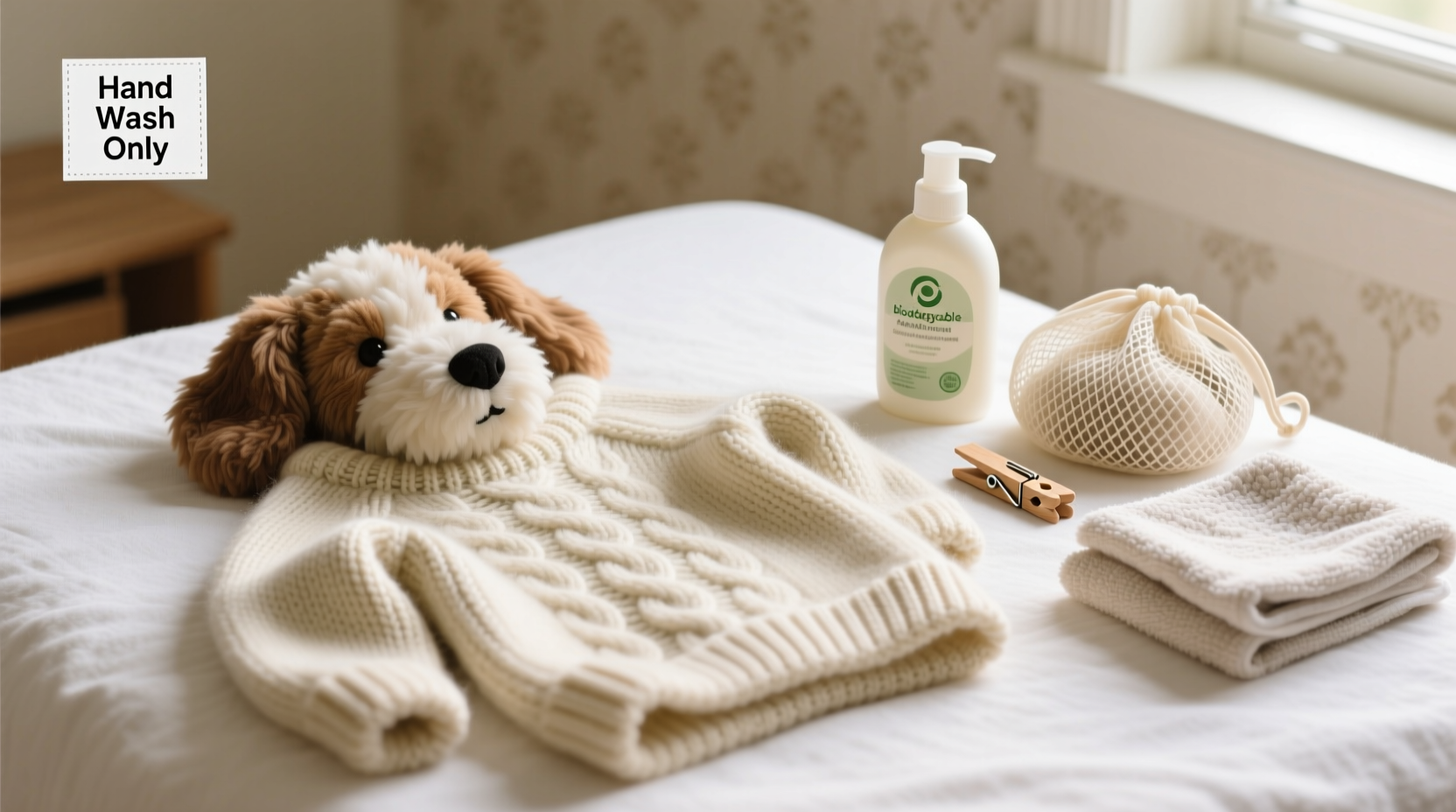
Wool fibers are made of keratin, similar to human hair, and have a scaly outer layer that reacts strongly to heat, agitation, and alkaline substances. When exposed to hot water or vigorous washing, these scales interlock and cause the fabric to shrink irreversibly—a process known as felting. Additionally, wool naturally resists odors and dirt due to lanolin (a waxy secretion), but over time, sweat, mud, and environmental debris accumulate and require gentle intervention.
Unlike synthetic fabrics, wool should never be treated with standard laundry routines. Skipping proper maintenance may result in stiff, misshapen garments that irritate your dog’s skin or lose insulating ability. The goal is not just cleanliness but preserving the fiber’s integrity.
“Wool is one of the most resilient natural fibers—if treated correctly. But it has zero tolerance for harsh handling.” — Dr. Lena Peterson, Textile Scientist & Pet Product Consultant
Step-by-Step Guide: How to Wash Wool Dog Clothes Safely
Cleaning wool garments doesn’t need to be complicated, but it does require precision. Follow this timeline-based method to maintain quality without damage:
- Pre-Treat Stains (5 minutes): Use a small amount of wool-safe detergent on a damp cloth to gently dab at soiled areas like paws, collar line, or belly. Avoid rubbing, which encourages fiber migration.
- Prepare Cold Water Bath (3 minutes): Fill a clean basin with cold water (never above 30°C / 86°F). Add a capful of pH-neutral, wool-specific detergent (e.g., Eucalan or Woolite Delicates).
- Soak Gently (10–15 minutes): Submerge the garment fully. Let it soak without agitation. Do not wring, twist, or stir.
- Rinse Twice (5 minutes per rinse): Drain soapy water and refill with fresh cold water. Gently press the garment to release soap. Repeat until water runs clear.
- Remove Excess Water (No Wringing!): Lay the garment flat on a clean towel. Roll the towel tightly to absorb moisture. Never use a spin cycle or hang by shoulders—this stretches seams.
- Dry Flat Away from Heat (24–48 hours): Reshape the item on a drying rack or mesh surface. Keep out of direct sunlight, radiators, or vents. Rotate occasionally for even drying.
Do’s and Don’ts of Wool Maintenance
| Do’s | Don’ts |
|---|---|
| Use wool-specific detergents with lanolin | Use regular laundry detergent or bleach |
| Hand wash in cold water only | Machine wash—even on “delicate” mode |
| Dry flat on a breathable surface | Hang wet wool garments (causes stretching) |
| Store folded in a cedar-lined drawer | Compress under heavy objects or in plastic bags |
| Air out between wears to refresh | Wash after every single use (unnecessary and damaging) |
Real Example: Reviving a Matted Merino Sweater
Sophie, a husky owner in Vermont, noticed her dog’s merino wool sweater had become stiff and slightly shrunken after two machine washes. The elbows were matted, and the neck opening stretched oddly. She consulted a local pet textile artisan who recommended a restoration soak: cold water with a few drops of baby shampoo and vinegar (1:4 ratio) to loosen residues and relax fibers. After soaking for 20 minutes and rolling in a towel, Sophie reshaped the sweater and dried it flat. Within 36 hours, elasticity improved significantly. Though not fully restored, the sweater regained enough form to be worn comfortably through winter. The lesson? Even damaged wool can recover if acted on early with correct methods.
Storage and Long-Term Durability Tips
Between seasons, how you store wool clothing determines whether it remains soft or becomes musty and brittle. Moths are particularly attracted to keratin fibers, especially if residual sweat or food particles remain.
- Always clean before storing: Never pack away dirty wool—it invites pests and yellowing.
- Use breathable containers: Cotton storage bags or lidded wooden boxes allow airflow while protecting from dust.
- Natural moth deterrents: Place dried lavender sachets or cedar blocks near stored items. Avoid chemical mothballs—they leave toxic residues.
- Fold, don’t hang: Hanging causes shoulder bumps and seam stress. Fold neatly with tissue paper between layers to prevent creasing.
FAQ: Common Questions About Wool Dog Clothing Care
Can I machine dry wool dog clothes on low heat?
No. Even low heat can trigger felting and irreversible shrinkage. Always air-dry flat. Tumble drying destroys wool’s structure within minutes.
How often should I wash wool dog sweaters?
Only when visibly soiled or smelling of dampness—typically every 3–5 wears. Wool self-cleans to an extent due to its antimicrobial nature. Frequent washing accelerates wear.
What if my dog has allergies? Is wool safe?
Most dogs tolerate high-quality merino wool well due to its fine micron count (soft against skin). However, if irritation occurs, switch to silk-lined wool or hypoallergenic blends. Always patch-test first.
Checklist: Monthly Wool Care Routine
Stay proactive with this simple monthly checklist to extend the life of your dog’s wool wardrobe:
- ☐ Inspect each garment for loose threads, stains, or thinning areas
- ☐ Air out all wool items in shaded outdoor space for 2–3 hours
- ☐ Spot-clean any grime using wool-safe solution and soft cloth
- ☐ Replenish moth-repellent sachets in storage area
- ☐ Rotate stored items to prevent permanent folding
- ☐ Test elasticity and fit—adjust or retire ill-fitting pieces
“Just like human woolens, a little attention goes a long way. A well-maintained wool dog coat can last five years or more.” — Marcus Reed, Sustainable Pet Apparel Designer
Conclusion: Keep Your Dog Cozy and Your Clothes Lasting
Caring for wool dog clothes isn’t about perfection—it’s about consistency and respect for the material. By avoiding heat, minimizing washing, and drying with patience, you protect not only the fabric but your pet’s comfort. These garments are an investment in warmth, health, and sustainability. When maintained properly, they reduce waste and deliver reliable performance year after year.




 浙公网安备
33010002000092号
浙公网安备
33010002000092号 浙B2-20120091-4
Comments
No comments yet. Why don't you start the discussion?