
Tweed is a timeless fabric—rugged yet refined, warm yet breathable, classic yet endlessly adaptable. A well-crafted tweed jacket can serve as the cornerstone of a gentleman’s autumn and winter wardrobe, offering both elegance and durability. However, this natural wool fabric demands thoughtful care. Unlike synthetic blends or cotton, tweed responds poorly to harsh treatment, improper storage, or neglect. With the right maintenance routine, you can extend the life of your jacket by decades, preserving its rich texture, vibrant color, and structured silhouette. The key lies in understanding the material’s nature and respecting its limits.
Understanding Tweed: Why It Needs Special Care
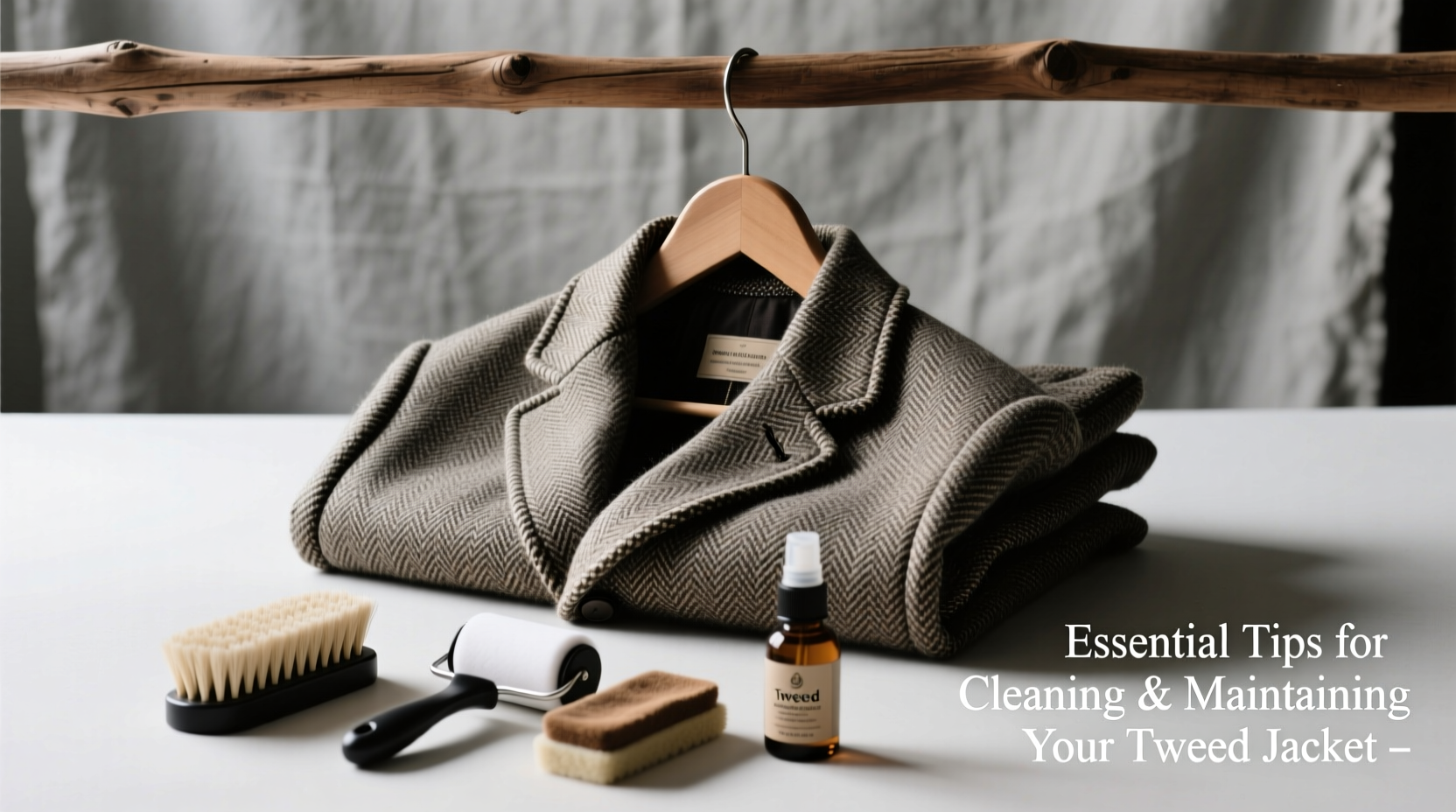
Tweed is traditionally woven from coarse, carded wool, often dyed before spinning to achieve its signature heathered appearance. This process creates depth and variation in color, but also makes the fabric sensitive to moisture, heat, and friction. Because tweed is typically untreated or only lightly finished, it lacks the protective coatings found in modern performance fabrics. As a result, it can shrink, felt, or lose shape if exposed to water or high heat. Moreover, the loose weave that gives tweed its breathability also makes it prone to picking up lint, dust, and odors. Proper maintenance isn’t just about cleanliness—it’s about protecting the integrity of the fibers and construction.
“Tweed rewards patience and precision. A single misstep—like tossing it in the washing machine—can ruin years of wear.” — James Holloway, Master Tailor & Textile Conservator
Step-by-Step Guide to Cleaning Your Tweed Jacket
Cleaning a tweed jacket doesn’t mean laundering it. In fact, full immersion in water should be avoided at all costs. Instead, adopt a layered approach that prioritizes spot treatment, airing, and professional care when necessary.
- Brush After Every Wear: Use a soft-bristled clothes brush (preferably horsehair) to remove surface dust, lint, and dried stains. Always brush downward with the nap of the fabric to avoid damaging the weave.
- Air Out Weekly: Hang the jacket on a sturdy wooden hanger in a well-ventilated room overnight. This dissipates odors and moisture absorbed during wear.
- Spot Clean Stains Immediately: Dab spills gently with a clean, dry cloth. For oil-based stains, sprinkle cornstarch or talcum powder to absorb grease; leave for 15 minutes, then brush off. Never rub aggressively.
- Use a Damp Cloth Sparingly: If needed, lightly dampen a white microfiber cloth with cool water and blot—not scrub—the affected area. Let air dry completely before brushing.
- Seek Professional Dry Cleaning Rarely: Limit dry cleaning to once per season or when visibly soiled. Overuse of chemical solvents strips natural oils and weakens fibers over time.
Do’s and Don’ts of Tweed Jacket Maintenance
| Do | Don’t |
|---|---|
| Store on a broad, padded wooden hanger to maintain shoulder shape | Hang on thin wire hangers that distort the shoulders |
| Rotate jackets every few wears to allow fibers to recover | Wear the same jacket daily without rest |
| Use a breathable cotton garment bag for long-term storage | Store in plastic bags that trap moisture and promote mildew |
| Press gently with a cool iron and pressing cloth if needed | Apply direct heat or steam to remove wrinkles |
| Repair loose buttons or lining tears promptly | Ignore small damages—they worsen quickly in heavy fabric |
Real Example: The Neglected Heirloom Jacket
Consider the case of Thomas Reed, a history professor who inherited his grandfather’s 1950s Harris Tweed blazer. Stored for years in a plastic bin under a bed, the jacket emerged moth-eaten, musty, and misshapen. Despite sentimental value, it was nearly beyond repair. A textile conservator spent hours vacuuming insect debris, reweaving damaged areas, and reshaping the lapels. The total restoration cost exceeded $300—far more than regular upkeep would have required. Had Thomas simply brushed, aired, and stored the jacket properly, he could have preserved it with minimal effort. This scenario underscores a simple truth: prevention is always cheaper and more effective than restoration.
Seasonal Storage Checklist
When transitioning out of cold-weather wear, how you store your tweed jacket determines its condition the next time you reach for it. Follow this checklist before putting it away:
- ✔ Clean or dry clean the jacket before storage (never store dirty fabric)
- ✔ Inspect for moths or larvae—check seams and inner pockets
- ✔ Place cedar blocks or lavender sachets in the closet (natural moth deterrents)
- ✔ Cover with a breathable cotton garment bag
- ✔ Store in a cool, dark, dry space—avoid attics and basements
- ✔ Check every 6–8 weeks for pests or moisture
Frequently Asked Questions
Can I wash my tweed jacket at home?
No. Hand-washing or machine-washing risks severe shrinkage, felting, and distortion. Water causes wool fibers to lock together irreversibly. Spot cleaning and professional dry cleaning are the only safe options.
How often should I dry clean my tweed jacket?
Only one to two times per year, or when visibly soiled. Frequent dry cleaning degrades the fabric over time. Regular brushing and airing significantly reduce the need for chemical cleaning.
What should I do if my tweed jacket gets wet in the rain?
Let it dry naturally at room temperature, away from radiators or direct sunlight. Unbutton the jacket and hang it on a wooden hanger. Once fully dry, gently brush the fabric to restore texture. Avoid rubbing or wringing.
Maintaining Long-Term Sharpness and Structure
Beyond cleaning, structural integrity defines a jacket’s sharpness. Over time, repeated wear compresses padding in the shoulders and chest. To counteract this, allow at least 48 hours between wears for the fabric to rebound. Rotate between two or three jackets to prolong each one’s lifespan. Pay attention to button tension—if they strain or gap, consider having a tailor adjust the fit. Also, periodically check the internal canvas: if it begins to shift or bunch, professional re-lining may be needed. These subtle details separate a cared-for garment from a neglected one.
“A tweed jacket should age with dignity—developing character, not deterioration.” — Eleanor Price, Heritage Wool Specialist
Conclusion: Make Care a Habit, Not a Chore
Preserving a tweed jacket isn’t about perfection—it’s about consistency. The habits that matter most are simple: brushing after wear, storing correctly, and acting swiftly on stains. These small actions compound over time, ensuring your jacket remains a reliable companion through seasons and styles. Whether it’s a vintage piece passed down or a new investment in craftsmanship, your tweed deserves respect. Treat it not as disposable fashion, but as enduring apparel worthy of stewardship. With mindful care, it will look sharp today and for decades to come.




 浙公网安备
33010002000092号
浙公网安备
33010002000092号 浙B2-20120091-4
Comments
No comments yet. Why don't you start the discussion?