
Crate training is one of the most effective tools for raising a well-behaved, housebroken puppy. When done correctly, it provides a safe space that mimics a den-like environment, helping your dog feel secure. However, many new pet owners face a common challenge: their puppy cries through the night, disrupting sleep and testing patience. The good news is that with the right approach, you can minimize or even eliminate nighttime crying. This guide outlines practical, science-backed strategies to make crate training a peaceful experience—for both you and your pup.
Understanding Why Puppies Cry in the Crate
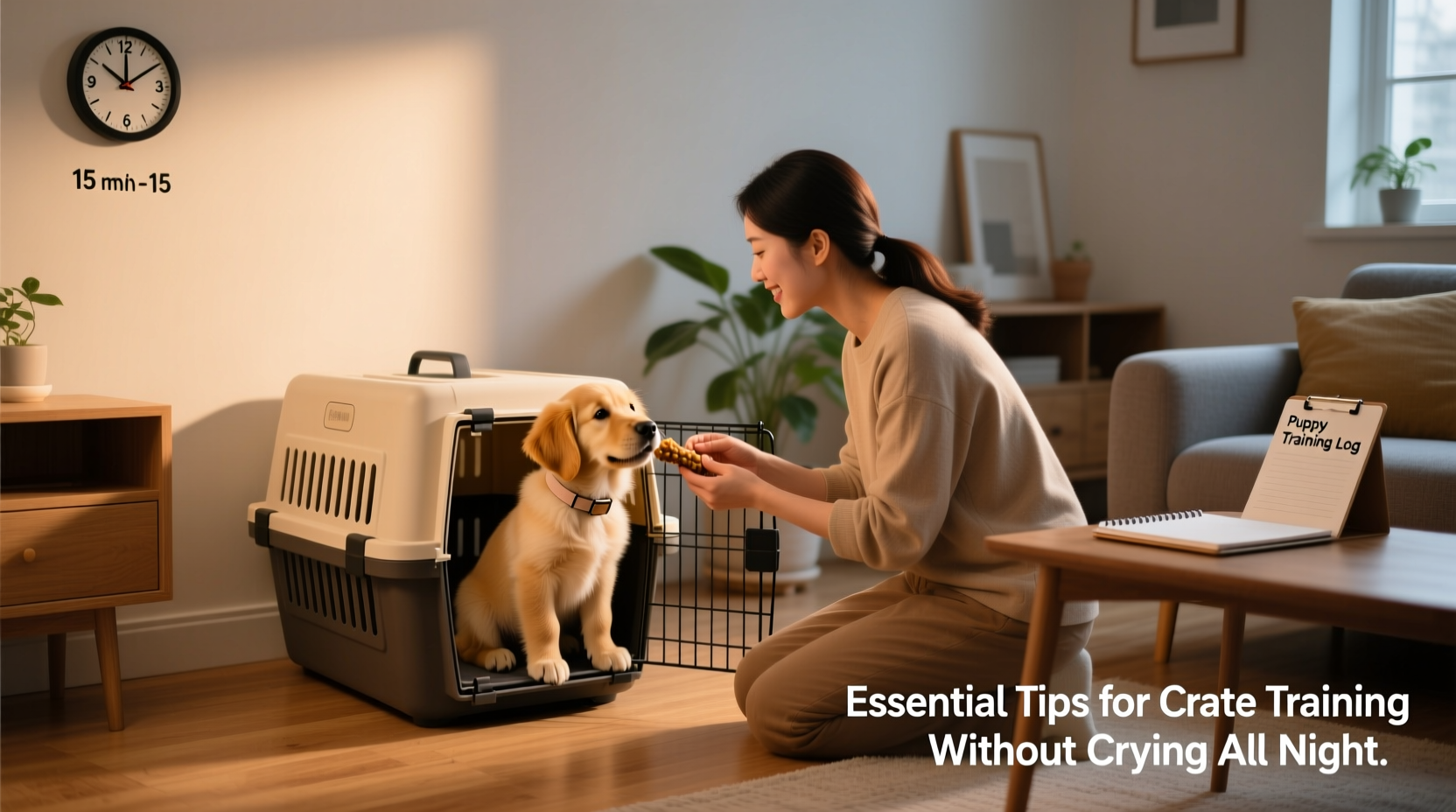
Puppies cry in the crate primarily due to separation anxiety, fear of confinement, or unmet physical needs. A young dog removed from its litter and placed in a new home is navigating an overwhelming world. The crate, while intended as a sanctuary, may initially feel isolating. Additionally, puppies have small bladders and may need to relieve themselves multiple times overnight during early weeks.
It's crucial to recognize that crying isn't defiance—it's communication. Responding appropriately means distinguishing between genuine distress and protest behavior. With time, consistency, and empathy, most puppies adapt within a few days to a couple of weeks.
“Puppies don’t outgrow poor habits—they grow into them. Early crate training sets the foundation for lifelong emotional regulation.” — Dr. Karen Becker, Veterinary Advocate
Step-by-Step Guide to Nighttime Crate Training Success
Success doesn’t come overnight, but a structured plan significantly improves outcomes. Follow this 7-day timeline to build confidence and comfort:
- Day 1–2: Introduce the crate as a positive space. Place it in a busy area of the home. Toss treats inside, feed meals near or within it, and praise any voluntary entry. Never force the puppy in.
- Day 3–4: Increase crate duration during the day. Encourage short naps in the crate with a stuffed toy. Gradually extend time from 10 minutes to an hour while you’re present.
- Day 5: Simulate bedtime routine. Feed dinner 2–3 hours before bed. Take a long potty break, then place the puppy in the crate in its designated sleeping spot. Sit quietly nearby at first, gradually moving farther away over nights.
- Night 1–3: Prepare for interruptions. Expect 1–2 wake-ups for bathroom breaks. Keep lights low and interaction minimal. Return puppy to crate immediately after elimination.
- Week 2: Establish consistency. Maintain the same bedtime, feeding schedule, and potty routine. Avoid letting the puppy out during crying episodes unless you suspect a bathroom need.
Creating the Ideal Crate Environment
The setup of the crate plays a major role in how comfortable your puppy feels. A poorly arranged space can amplify anxiety, while a thoughtfully prepared one encourages relaxation.
- Size matters: Choose a crate that’s just large enough for the puppy to stand, turn around, and lie down. Too much space may encourage one end for sleeping and another for eliminating.
- Use bedding wisely: Soft blankets or orthopedic pads add comfort, but avoid bulky materials that could be chewed or soiled. Washable, non-slip options are ideal.
- Add familiar scents: Place an article of unwashed clothing near (not in) the crate to provide comforting human scent.
- Include safe chew toys: A Kong stuffed with peanut butter (xylitol-free) or frozen broth can keep your puppy occupied and calm.
- Location is key: For the first few weeks, place the crate in your bedroom. Proximity reduces isolation stress and allows you to respond quickly to potty signals.
What to Include (and Exclude) from the Crate
| Recommended Items | Items to Avoid |
|---|---|
| Soft, washable bedding | Collars or harnesses (choking hazard) |
| Frozen Kong or treat-dispensing toy | Rawhide or brittle chews (choking risk) |
| Water-resistant pad (for accidents) | Plastic bowls (can be chewed) |
| Stuffed toy with human scent | Strings, ribbons, or loose parts |
Responding to Crying: What Works (and What Doesn’t)
How you react to crying determines whether the behavior improves or escalates. Immediate reinforcement of crying—such as letting the puppy out or picking them up—teaches them that vocalizing gets results.
Instead, follow this protocol:
- Wait for a pause in crying—even a few seconds of silence—before acknowledging your puppy.
- Use a calm, low voice to say, “Good quiet,” only when they’re silent.
- If crying persists beyond 5–10 minutes, rule out a bathroom need. Take them outside on a leash, use a consistent cue (“Go potty”), and return to the crate without play or eye contact if they don’t eliminate.
- Never yell, hit, or spray water as punishment. These methods increase fear and damage trust.
In some cases, white noise or calming music can mask household sounds that startle the puppy. Devices like Adaptil diffusers, which release dog-appeasing pheromones, have been shown in clinical studies to reduce signs of stress in puppies by up to 80% during crate acclimation.
Mini Case Study: Max, the 10-Week-Old Labrador
Max’s owner, Sarah, brought him home on a Sunday. By night two, he cried for nearly an hour. She initially picked him up, which stopped the crying—but the next night, it lasted longer. After consulting a trainer, she adjusted her approach: she moved the crate into her bedroom, fed Max his last meal at 6 PM, took him out at 7:30 PM, and put him in the crate at 8 PM with a frozen Kong. He cried for 12 minutes. She waited until he paused, then said “Good boy” softly. On night three, crying dropped to 4 minutes. By day seven, Max entered the crate willingly and slept through the night with one scheduled potty break. Consistency, not comfort, was the turning point.
Checklist for Successful Nighttime Crate Training
Follow this actionable checklist each evening to set your puppy up for success:
- ✅ Exercise your puppy thoroughly 1–2 hours before bedtime (walk, play, mental stimulation)
- ✅ Offer water until 7 PM, then remove it to reduce overnight urination
- ✅ Feed dinner 2–3 hours before bed to allow digestion and a final potty opportunity
- ✅ Take a potty break immediately before crating
- ✅ Place the crate in your bedroom or nearby common area
- ✅ Provide a long-lasting chew toy or food puzzle
- ✅ Stick to the same bedtime every night
- ✅ Respond only to silence or confirmed potty needs—never to persistent crying
Common Mistakes That Prolong Nighttime Crying
Even well-meaning owners can accidentally reinforce unwanted behaviors. Watch out for these pitfalls:
- Releasing the puppy during crying: This teaches that fussing leads to freedom.
- Inconsistent schedules: Irregular feeding, walking, or bedtime confuses the puppy’s internal clock.
- Overlooking medical issues: Frequent urination, whimpering, or restlessness could indicate a urinary infection or digestive discomfort.
- Using the crate for punishment: If the crate becomes associated with negative experiences, the puppy will resist entering.
- Skipping daytime training: Crate training shouldn’t start only at night. Daytime sessions build familiarity and reduce fear.
“Crate training fails not because the method is flawed, but because owners lack a clear plan. Structure breeds security.” — Victoria Stilwell, Dog Trainer & Behaviorist
FAQ: Common Questions About Puppy Crate Training
How long should I let my puppy cry before intervening?
A brief period of whining (under 5 minutes) is normal as your puppy settles. Wait it out. If crying continues beyond 10–15 minutes, check for signs of needing to go outside—restlessness, sniffing, circling. Rule out physical needs first, but avoid reinforcing the crying by giving attention or releasing them immediately.
Can I crate train a puppy in one week?
Some puppies adapt quickly, especially with prior exposure to crates, but most require 2–4 weeks of consistent training. The goal isn’t speed—it’s building lasting comfort and trust. Rushing the process often leads to setbacks.
Should I cover the crate at night?
Covering can help if it reduces light and creates a cozy den effect, but ensure adequate airflow. Use lightweight, breathable fabric and monitor your puppy’s reaction. If they seem more anxious, leave it uncovered.
Conclusion: Building Trust One Night at a Time
Crate training a puppy without crying all night isn’t about silencing your dog—it’s about teaching them they’re safe, loved, and part of your family. The first few nights may test your resolve, but every quiet moment builds confidence. By creating a predictable routine, setting up a comforting environment, and responding with patience and consistency, you lay the foundation for a lifetime of good behavior and mutual trust.
This isn’t just about surviving puppyhood. It’s about raising a dog who sees their crate as a refuge, not a prison. Start tonight with one small step: place the crate in your room, add a soft blanket, and toss in a treat. Progress follows presence.




 浙公网安备
33010002000092号
浙公网安备
33010002000092号 浙B2-20120091-4
Comments
No comments yet. Why don't you start the discussion?