
Bonsai is more than just a potted plant—it’s an art form that blends horticulture with patience, precision, and aesthetic vision. These miniature trees, shaped over years or even decades, reflect the harmony between nature and human care. Yet their beauty demands consistent attention. A bonsai is not a low-maintenance houseplant; it thrives only when its environment, watering, pruning, and seasonal needs are met with intention. Whether you're a beginner drawn to the elegance of bonsai or an enthusiast refining your technique, understanding the fundamentals of care is essential for long-term success.
Understanding Bonsai: More Than Just a Small Tree
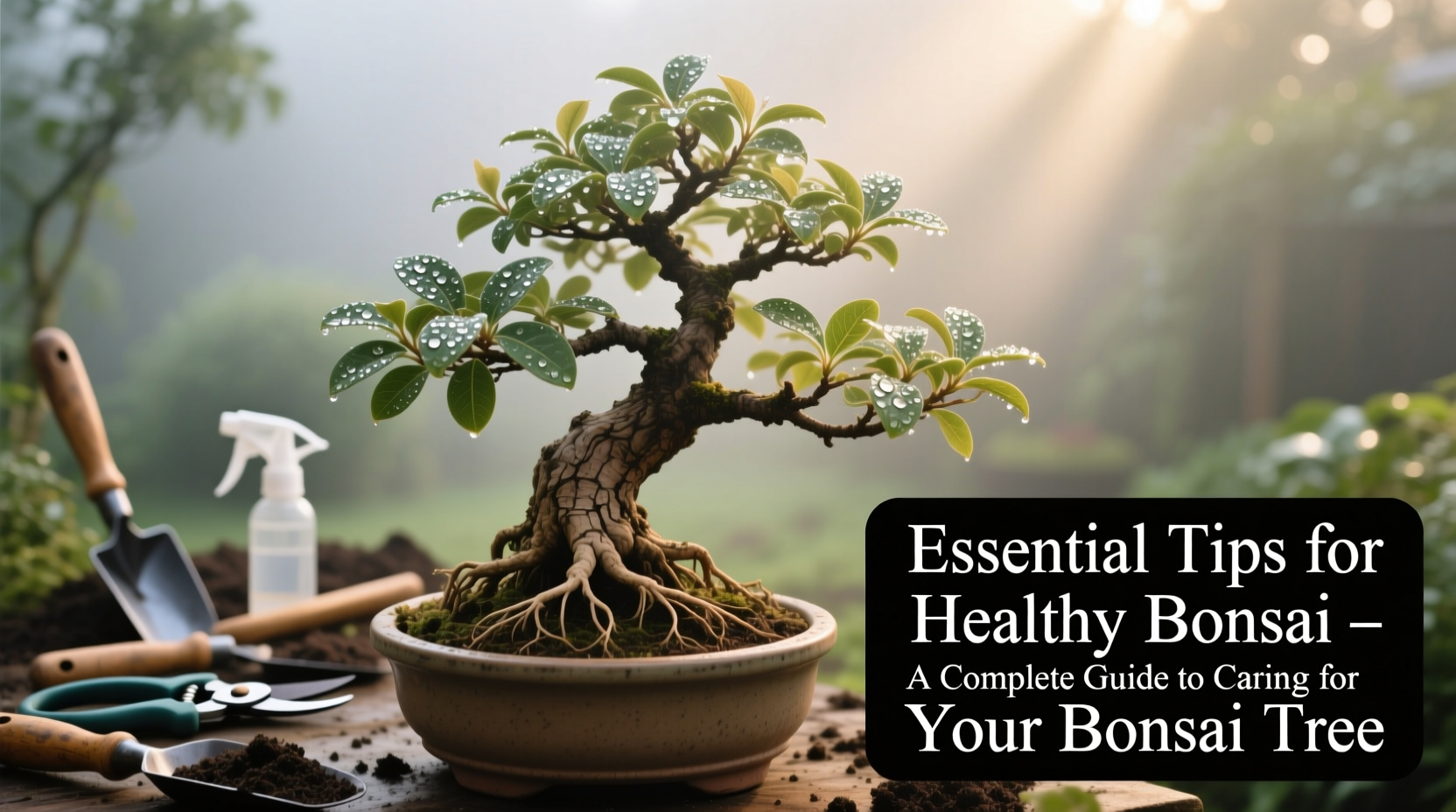
The word “bonsai” comes from the Japanese term meaning “planted in a container.” While the practice originated in China over a thousand years ago, it was refined in Japan into a disciplined art. Bonsai trees are not genetically dwarfed—they are full-sized tree species kept small through careful root and canopy management. This balance requires a deep understanding of the tree’s natural growth patterns and biological needs.
Most bonsai begin as nursery stock or collected wild specimens. Over time, they are trained using wiring, pruning, and repotting techniques to mimic the proportions and character of ancient trees in nature. The goal is not stunted growth but proportional miniaturization—where every branch, leaf, and root contributes to a cohesive, lifelike image.
“Bonsai is not about controlling nature, but guiding it with respect. The health of the tree always comes before aesthetics.” — Masahiko Kimura, Master Bonsai Artist
Core Care Requirements for Healthy Bonsai
Sustaining a bonsai involves daily observation and regular maintenance. Unlike typical houseplants, bonsai have shallow soil volumes, making them sensitive to changes in moisture, light, and nutrients. Below are the four pillars of bonsai care:
1. Watering: Precision Over Routine
Watering is the most critical—and often misunderstood—aspect of bonsai care. Because bonsai pots hold limited soil, they dry out quickly. However, overwatering is equally dangerous and can lead to root rot.
When watering, do so slowly and evenly until water drains freely from the bottom. This ensures the entire root system receives hydration. Use room-temperature water to avoid shocking the roots.
2. Light: Maximizing Photosynthesis
Most bonsai species require at least 5–6 hours of direct sunlight daily. Indoor bonsai like Ficus or Crassula are exceptions, tolerating bright indirect light. Outdoor species such as Juniper, Pine, or Maple need full sun exposure to maintain compact growth and vibrant foliage.
If growing indoors, place your bonsai near a south-facing window. Supplement with grow lights during winter months when daylight is limited.
3. Humidity and Airflow
Bonsai benefit from moderate humidity, especially indoors where heating and cooling systems dry the air. Placing the pot on a humidity tray filled with pebbles and water helps maintain moisture around the leaves without saturating the roots. Good airflow prevents fungal diseases and strengthens branches.
4. Fertilization: Feeding for Growth and Health
Bonsai rely on regular feeding because frequent watering leaches nutrients from the soil. Use a balanced liquid fertilizer (such as 10-10-10) every two weeks during the growing season (spring to early autumn). Reduce frequency in winter when growth slows.
Organic options like fish emulsion or seaweed extract provide slow-release nutrition and improve soil biology.
Pruning and Shaping: Maintaining Form and Vitality
Pruning is both functional and artistic. It controls size, encourages back-budding (new growth closer to the trunk), and shapes the tree’s silhouette. There are two main types:
- Structural pruning: Done during dormancy (late winter), this involves removing large branches to define the tree’s basic form.
- Maintenance pruning: Performed throughout the growing season to trim new shoots and preserve shape.
Always use sharp, clean tools to make precise cuts. Seal larger wounds with wound paste to prevent infection and excessive sap loss.
Wiring allows you to bend branches into desired positions. Use aluminum or copper wire wrapped gently around the branch. Monitor growth closely—remove the wire before it bites into the bark, typically within 6–12 months.
Repotting: Renewing the Root System
Repotting renews soil, prevents root binding, and stimulates new root development. Most bonsai need repotting every 2–5 years, depending on age and species. Younger, faster-growing trees require more frequent repotting than mature ones.
Step-by-Step Repotting Guide
- Choose the right time: Early spring, just before bud break, is ideal for most deciduous and coniferous species.
- Select a pot with adequate drainage holes. It should be proportionally sized to the tree—not too large.
- Gently remove the tree from its current pot and loosen the root ball.
- Trim up to one-third of the outer roots using root shears, focusing on long, circling roots.
- Replace old soil with fresh bonsai mix (typically akadama, pumice, and lava rock).
- Reposition the tree in the new pot, ensuring it sits securely.
- Water thoroughly and keep in a shaded, sheltered area for 2–4 weeks to recover.
| Care Task | Frequency | Best Time of Year |
|---|---|---|
| Watering | Daily check, as needed | All year |
| Fertilizing | Every 2 weeks (growing season) | Spring – Early Autumn |
| Pruning | As needed | Maintenance: Spring–Summer Structural: Late Winter |
| Repotting | Every 2–5 years | Early Spring |
| Wiring | As needed | Late Autumn – Early Spring (best for flexibility) |
Common Challenges and How to Solve Them
Even attentive caretakers face setbacks. Recognizing early signs of distress can save a bonsai from decline.
Yellowing Leaves
This may indicate overwatering, poor drainage, or nutrient deficiency. Check root health—if roots are brown and mushy, root rot is likely. Trim affected roots and repot immediately.
Dropping Leaves or Needles
Sudden leaf drop often results from environmental shock—such as moving the tree indoors abruptly or exposing it to drafts. Maintain consistent conditions and acclimate slowly.
Pests: Aphids, Spider Mites, Scale
Inspect foliage regularly. Treat infestations early with insecticidal soap or neem oil. Isolate affected trees to prevent spread.
Mini Case Study: Reviving a Neglected Juniper Bonsai
A hobbyist acquired a juniper bonsai from a garden center that had been left unattended for weeks. The foliage was brown, the soil bone dry, and the trunk slightly shriveled. Instead of discarding it, he soaked the pot in water for 30 minutes, then moved it to partial shade. He misted the foliage daily and avoided fertilizing. After six weeks, green buds appeared along the upper branches. Over the next year, with gradual pruning and proper sunlight, the tree regained full health and began developing new ramification. This case illustrates that even severely stressed bonsai can recover with patience and correct care.
FAQ: Frequently Asked Questions
Can I keep a bonsai tree indoors all year?
Only tropical or subtropical species like Ficus, Carmona, or Schefflera can thrive indoors long-term. Temperate species such as pine, maple, or elm require seasonal outdoor exposure, including winter dormancy, to survive.
How long do bonsai trees live?
With proper care, bonsai trees can live for decades or even centuries. Some famous bonsai in Japan are over 800 years old. Longevity depends on species, care consistency, and disease prevention.
Do I need special soil for bonsai?
Yes. Regular potting soil retains too much water and compacts easily. Bonsai soil is granular and fast-draining, usually composed of inorganic materials like akadama, pumice, and lava rock, which promote root aeration and prevent rot.
Conclusion: Cultivating Patience and Presence
Caring for a bonsai tree is a journey of mindfulness and sustained attention. Each watering, pruning, and repotting session is a conversation with a living organism shaped by time and care. Success isn’t measured in rapid results but in the quiet progress of a well-tended tree growing stronger and more beautiful with each passing season.
Start with a resilient species like Ficus or Juniper, master the basics, and let your skills grow alongside your tree. The art of bonsai rewards patience, observation, and respect for nature’s rhythms. Begin today—not to create perfection, but to cultivate presence.




 浙公网安备
33010002000092号
浙公网安备
33010002000092号 浙B2-20120091-4
Comments
No comments yet. Why don't you start the discussion?