
Making a phone call may seem like second nature in today’s connected world, but not all calls are created equal. Whether you're contacting a client, checking in on a family member, or reporting an emergency, clarity and efficiency can make the difference between a successful conversation and a frustrating miscommunication. With so many devices—smartphones, landlines, VoIP apps, tablets—the way we dial has evolved. Yet, the fundamentals of clear, effective calling remain unchanged. This guide breaks down practical strategies to ensure your calls are heard, understood, and productive, no matter which device you use.
1. Prepare Before You Dial
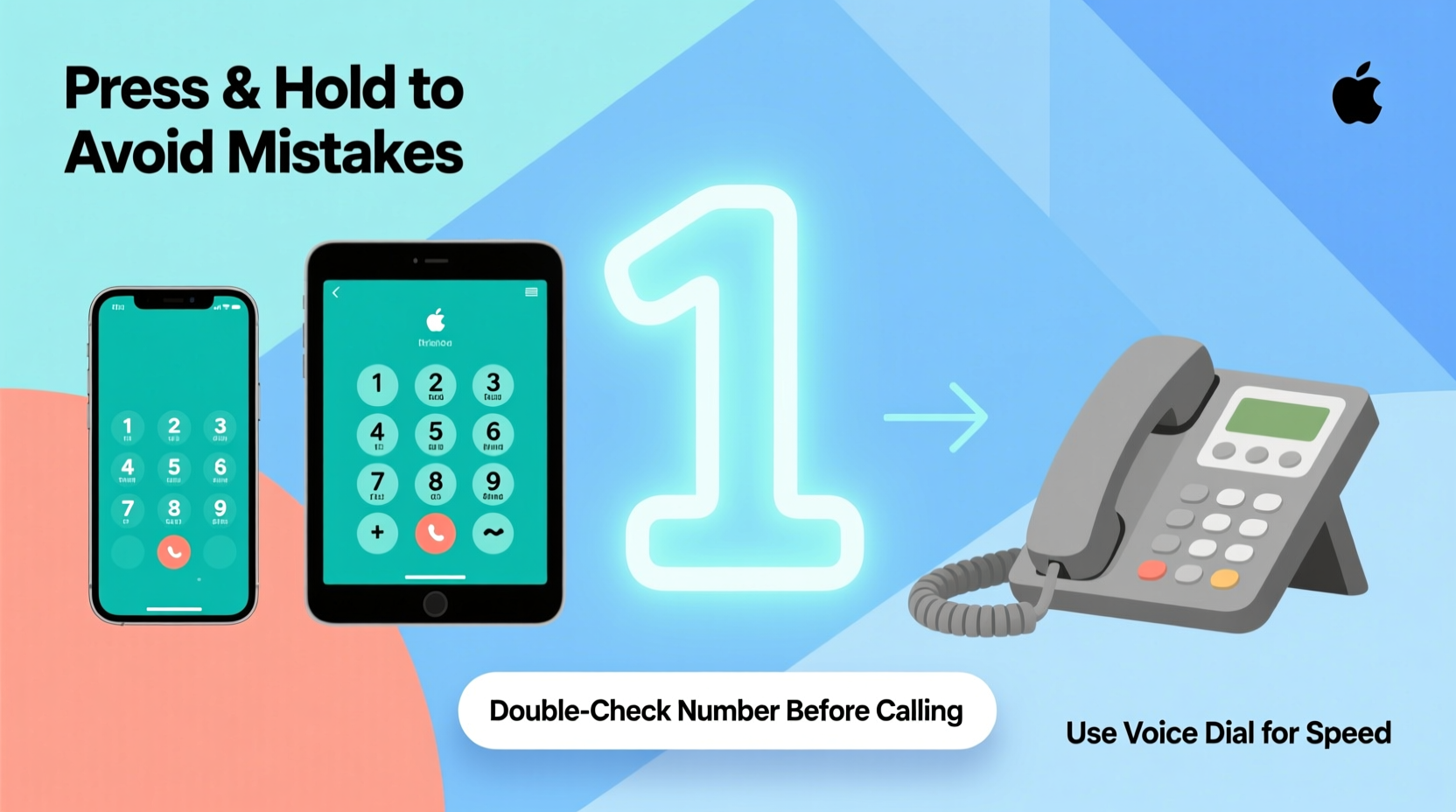
Efficiency starts before the first ring. Jumping on a call unprepared often leads to confusion, repetition, or missed information. Take a moment to gather your thoughts, documents, or questions. If you’re making a business call, know the purpose: Are you confirming details? Resolving an issue? Scheduling an appointment?
Avoid distractions by finding a quiet environment. Background noise—like traffic, music, or loud conversations—can interfere with audio quality and distract both parties. If you’re using a mobile device, consider enabling “Do Not Disturb” mode to prevent interruptions from notifications.
2. Choose the Right Device and Connection
Not all calling platforms are equal. The device and network you choose directly impact call clarity. Here’s a breakdown of common options and their strengths:
| Device/Service | Best For | Audio Quality | Reliability |
|---|---|---|---|
| Smartphone (4G/5G) | Mobile calls, quick check-ins | Good to excellent | High (with strong signal) |
| Landline | Long conversations, professional settings | Excellent | Very high |
| Voice over IP (VoIP) – e.g., WhatsApp, Zoom, Google Voice | International calls, cost savings | Fair to good | Moderate (depends on Wi-Fi) |
| Tablet with calling app | Hands-free convenience | Good | Varies |
For critical conversations—such as job interviews or medical consultations—a landline or strong cellular connection is ideal. VoIP services are convenient and economical, especially for international calls, but depend heavily on internet stability. Always test your microphone and speaker before important calls.
“Clear audio isn’t just about technology—it’s about respect. When you speak clearly and minimize background noise, you show the other person their time matters.” — Dr. Lena Torres, Communication Specialist, University of Austin
3. Dial Accurately and Confirm the Number
One of the most common causes of failed or awkward calls is dialing the wrong number. A single digit off can connect you to a stranger, waste time, or even breach privacy. Always double-check the number before hitting call, especially if it includes country or area codes.
When entering international numbers, remember to include the correct exit code (e.g., +1 for the U.S., +44 for the UK). Use the plus sign (+) instead of manually typing country codes when possible; modern smartphones recognize this format and adjust automatically based on your location.
Step-by-Step: How to Verify and Call a Number Correctly
- Obtain the full number, including country and area codes.
- Cross-reference with a trusted source (website, business card, contact list).
- If calling internationally, use the + symbol followed by the country code (e.g., +44 20 7946 0958).
- Use your phone’s contact save feature to store verified numbers for future use.
- Before calling, play back the number using voice assistant (e.g., “Hey Siri, call John Smith”) to confirm accuracy.
4. Speak Clearly and Maintain Professional Tone
Once the call connects, how you present yourself matters. Begin with a polite greeting: “Hello, this is [Your Name] calling for [Purpose].” Avoid rushing into your message—give the recipient time to answer and acknowledge you.
Enunciate your words. Speaking too quickly or mumbling reduces comprehension, especially if the listener is using a poor-quality speaker or is in a noisy environment. Pause between sentences and avoid overlapping speech. If the line is unstable, repeat key information such as names, dates, or addresses.
Adjust your tone based on context. A casual chat with a friend allows for relaxed speech, but professional or formal calls require a calm, confident tone. Avoid slang or overly complex language unless you’re certain the other party will understand.
- Maintain eye level with the microphone if using a headset or video call.
- Hold the phone slightly away from your mouth to reduce breath sounds.
- Use a wired headset in low-signal areas to improve audio input/output.
Mini Case Study: The Misheard Appointment
Sarah scheduled a telehealth consultation but arrived online at 3 PM instead of 3 AM (her doctor’s local time). Confused, the doctor assumed she wasn’t showing up and canceled the session. The error? Sarah misheard “three A-M” as “three P-M” due to muffled audio and the doctor’s rushed delivery. After rescheduling and using a landline with clear enunciation, the second call went smoothly. This incident highlights how small lapses in clarity can have real consequences.
5. Follow Up and Confirm Key Details
The call doesn’t end when you hang up. To ensure mutual understanding, summarize next steps before disconnecting. For example: “So we’ll meet Thursday at 2 PM, and I’ll send the contract by email tonight.” This confirmation reduces errors and reinforces accountability.
If appropriate, follow up with a text or email reiterating agreements. This creates a paper trail and shows professionalism. For customer service or support calls, note the agent’s name, reference number, and resolution promised.
Checklist: Essential Steps for Every Important Call
- ✅ Verify the correct number and time zone.
- ✅ Choose a quiet, distraction-free environment.
- ✅ Test your microphone and speaker beforehand.
- ✅ Have notes or documents ready.
- ✅ Greet politely and state your purpose.
- ✅ Speak slowly and clearly.
- ✅ Confirm action items before ending the call.
- ✅ Send a follow-up message if needed.
Common Mistakes to Avoid
Even experienced callers fall into traps that undermine clarity. Be mindful of these frequent errors:
| Do’s | Don’ts |
|---|---|
| Speak at a moderate pace | Rush through your message |
| Use simple, direct language | Overload with jargon or technical terms |
| Confirm understanding with the listener | Assume they heard everything correctly |
| Wait for the other person to finish speaking | Interrupt or talk over them |
| Use headphones in noisy environments | Call from a crowded street or subway |
FAQ
Why does my voice sound muffled during calls?
Muffled audio is often caused by dirt blocking the microphone, using low-quality Bluetooth devices, or being too far from the mic. Clean your device regularly and test audio in different positions to find the clearest setup.
Is it better to call from a mobile app or traditional phone line?
It depends. Traditional lines offer consistent quality. Apps like WhatsApp or FaceTime Audio are excellent for international calls and integrate well with contacts, but require stable internet. For reliability, use cellular or landline when possible.
How can I reduce background noise on my end?
Move to a quieter space, use a headset with noise-canceling features, or enable noise suppression if your phone or app supports it (e.g., iPhone’s “Voice Isolation” mode). Avoid fans, AC units, or open windows near your mic.
Conclusion
Calling someone may be simple in concept, but doing it clearly and efficiently requires intention. From verifying numbers to speaking with precision and following up thoughtfully, every step contributes to more effective communication. Whether you’re using a decades-old landline or the latest smartphone app, these practices ensure your message gets through—accurately and respectfully.




 浙公网安备
33010002000092号
浙公网安备
33010002000092号 浙B2-20120091-4
Comments
No comments yet. Why don't you start the discussion?