
Navigating dorm life means balancing tight schedules, shared spaces, and limited laundry access. Amid these challenges, one of the most overlooked aspects of student well-being is bedding care. Cotton dorm bedding may feel soft at first, but without proper maintenance, it can quickly become a breeding ground for allergens, odors, and discomfort. The good news? With a few smart habits, you can keep your sheets, pillowcases, and comforters feeling fresh and inviting all semester long—even with minimal time and resources.
Choose the Right Cotton Bedding
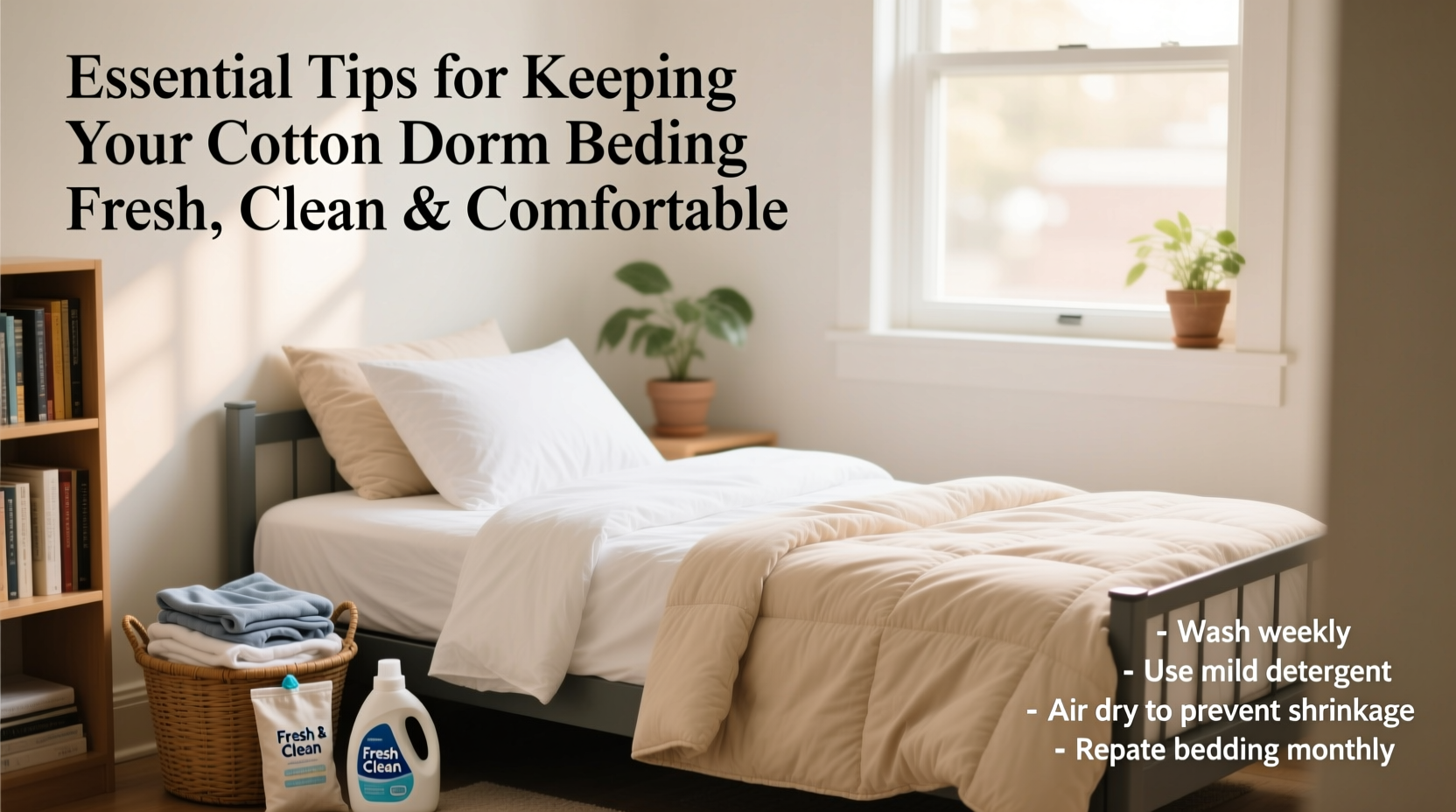
Not all cotton is created equal. When shopping for dorm bedding, prioritize quality over price. Look for tightly woven, high-thread-count cotton—ideally between 300 and 500 threads per square inch. Percale and sateen weaves are excellent choices: percale offers a crisp, cool feel ideal for warm dorm rooms, while sateen provides a silky smooth texture with a subtle sheen.
Avoid ultra-cheap blends that mix cotton with synthetic fibers. These may pill easily, trap moisture, and degrade faster after repeated washing. Opting for 100% cotton ensures breathability, durability, and better moisture absorption—key factors in maintaining freshness.
Wash Your Bedding Weekly
Skin cells, sweat, oils, and bacteria accumulate on sheets every night. In a dorm environment, where ventilation may be poor and stress levels high, this buildup accelerates. Washing your sheets weekly is non-negotiable for hygiene and comfort.
Use cold or warm water (never hot, which can shrink cotton) and a mild, fragrance-free detergent. Hot water may damage fibers over time and cause fading. For best results, add a half-cup of white vinegar during the rinse cycle to naturally deodorize and soften fabric without harsh chemicals.
Avoid overloading the machine—this reduces cleaning efficiency and increases wear. Always dry bedding completely; damp sheets encourage mold and mildew, especially in communal laundry rooms with high humidity.
“Students who wash their sheets less than once every two weeks report higher rates of skin irritation and disrupted sleep.” — Dr. Lena Torres, Sleep Hygiene Researcher, University of Michigan
Step-by-Step Guide to Efficient Dorm Laundry
Time and access constraints make laundry a major pain point in dorm life. Follow this practical timeline to stay ahead without sacrificing study hours:
- Every Sunday evening: Strip your bed and place used sheets, pillowcases, and towels in a designated laundry bag.
- Monday morning: Drop off laundry during peak hours to avoid late-day congestion.
- Set a phone reminder: Return within 60–90 minutes to transfer clothes to the dryer immediately—prevents musty smells and theft.
- Fold and store right away: Avoid leaving clean bedding in plastic bags, which trap moisture.
- Tuesday night: Re-make your bed with fresh linens.
This rhythm prevents last-minute scrambling and ensures you never sleep on unwashed sheets for more than seven days.
Dos and Don’ts of Cotton Bedding Care
| Do’s | Don’ts |
|---|---|
| Wash sheets weekly in cold water | Use bleach regularly—it weakens cotton fibers |
| Tumble dry on low heat or air-dry when possible | Overload the washer or dryer |
| Rotate between two sets of bedding | Store damp linens in closets or under beds |
| Use dryer balls to reduce static and soften fabric | Iron frequently—cotton wrinkles, but excessive ironing wears it down |
| Turn pillowcases inside out before washing | Ignore pilling—use a fabric shaver gently when needed |
Real-Life Example: Sarah’s Fresh Bedding Routine
Sarah, a sophomore at a large state university, struggled with persistent allergy symptoms during her freshman year. After consulting campus health services, she learned her dust mite exposure was linked to infrequently washed bedding. She adjusted her routine: purchasing two complete sets of 400-thread-count cotton sheets, setting a recurring calendar alert for laundry, and using hypoallergenic detergent.
Within three weeks, her nighttime congestion improved significantly. “I didn’t realize how much dirty sheets were affecting my sleep and focus,” she said. “Now, climbing into a fresh bed every Tuesday feels like a small win.”
Proper Storage Between Washes and Breaks
When not in use—especially during semester breaks—how you store your cotton bedding matters. Never leave sheets bunched up under your bed or stuffed in a plastic bin. This traps moisture and invites mildew.
Instead, fold clean bedding neatly and store it in a breathable cotton storage bag or a drawer lined with cedar blocks to deter moths. If using a closet, place sheets in the middle—not against exterior walls, which may be prone to dampness. For extended breaks, consider vacuum-sealing with silica gel packets to prevent mustiness, but only after ensuring the fabric is bone dry.
Eliminate Odors Without Harsh Chemicals
Dorm rooms often develop stale smells due to limited airflow and proximity to food, shoes, and gym gear. Rather than masking odors with sprays, address them at the source.
- Sprinkle baking soda lightly on your mattress monthly, let sit for 15 minutes, then vacuum thoroughly.
- Add a few drops of essential oil (like lavender or tea tree) to a washcloth and toss it in the dryer with your sheets for natural freshness.
- Hang bedding outside for a few hours when weather permits—sunlight naturally kills bacteria and neutralizes odors.
Tea tree oil also has antimicrobial properties, making it ideal for students with acne-prone skin or allergies.
Frequently Asked Questions
How often should I replace my cotton dorm bedding?
With proper care, high-quality cotton sheets can last 2–3 years. Signs it’s time to replace include thinning fabric, persistent pilling, or colors that have faded beyond recognition. Rotating multiple sets extends overall lifespan.
Can I use fabric softener on cotton bedding?
It’s best to avoid liquid fabric softeners—they leave a residue that reduces absorbency and can irritate sensitive skin. Instead, use wool dryer balls or a splash of vinegar in the rinse cycle for softness without the downsides.
What’s the best way to deal with spills or stains in a dorm?
Act fast. Blot (don’t rub) spills with a clean cloth. Mix a paste of baking soda and water, apply gently, and let sit for 10 minutes before blotting again. For protein-based stains like sweat, cold water works better than hot. Treat stains before washing to prevent setting.
Maintain Comfort Beyond Cleanliness
Freshness isn’t just about cleanliness—it’s also about comfort. Cotton bedding softens over time with proper washing, but rough textures can return if detergent builds up. Every fourth wash, run a cycle with no detergent and a cup of distilled vinegar to strip residue.
Also, consider your sleeping environment. Use a mattress pad to protect against accidental spills and reduce direct skin contact with the mattress. Fluff pillows daily and replace them every 12–18 months to maintain neck support and hygiene.
Conclusion
Your bed is your sanctuary in the chaos of dorm life. Keeping your cotton bedding fresh, clean, and comfortable isn’t just about aesthetics—it directly impacts your health, sleep quality, and daily focus. By choosing quality materials, sticking to a consistent washing schedule, storing properly, and avoiding common pitfalls, you’ll create a restful space that supports both academic success and personal well-being.




 浙公网安备
33010002000092号
浙公网安备
33010002000092号 浙B2-20120091-4
Comments
No comments yet. Why don't you start the discussion?