
Gold tone earrings offer the lustrous appeal of real gold without the premium price tag. Whether they’re delicate studs, statement hoops, or elegant drops, these accessories enhance any outfit. However, unlike solid gold, gold tone (also known as gold-plated or gold-finished) jewelry is more vulnerable to wear, tarnishing, and fading over time. Without proper care, that radiant finish can dull, flake, or discolor—diminishing both beauty and value. The good news: with consistent, mindful maintenance, you can significantly extend the life and brilliance of your gold tone earrings.
Understanding Gold Tone Jewelry
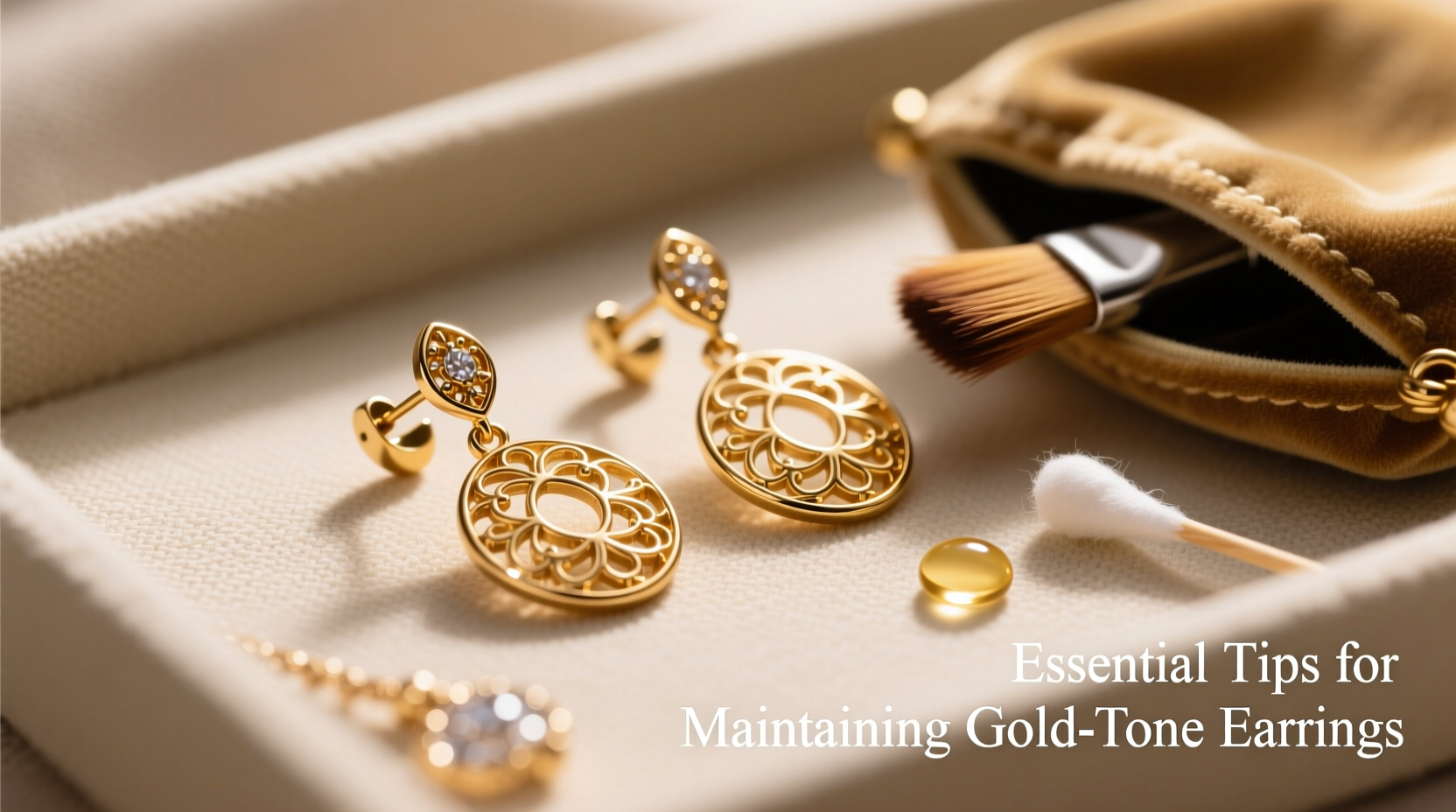
Gold tone refers to a base metal—often brass, copper, or stainless steel—coated with a thin layer of gold through electroplating. This process gives the piece its golden appearance, but because the layer is microscopic, it’s susceptible to abrasion, chemical exposure, and moisture damage. Unlike solid gold, which retains its color indefinitely, gold tone will eventually wear down if not protected.
The longevity of the plating depends on several factors: frequency of wear, skin chemistry, exposure to elements, and cleaning habits. Some high-quality gold tone pieces use thicker plating (sometimes labeled \"vermeil\" when layered over sterling silver), which lasts longer than standard finishes. Still, all gold tone requires proactive care.
“Many people treat gold tone like solid gold, but it needs more attention. A few minutes of care after wearing can delay tarnish by months.” — Lena Patel, Jewelry Preservation Specialist
Daily Care Practices to Preserve Shine
Maintaining gold tone earrings starts the moment you take them off. Daily habits play a crucial role in protecting the delicate surface from environmental stressors.
Sweat, oils, and airborne pollutants settle on the surface during wear. These substances may seem harmless, but over time, they erode the gold layer and invite tarnish. Wiping your earrings gently with a soft, dry microfiber cloth immediately after removal removes residue before it sets in.
Avoid wearing gold tone earrings in situations involving moisture or friction. Showers, swimming pools, saunas, and intense workouts should be earring-free zones. Chlorine and saltwater are especially damaging, corroding both the plating and base metal underneath.
Step-by-Step: Post-Wear Routine
- Remove earrings carefully to avoid bending posts or backs.
- Wipe each earring with a clean, lint-free cloth.
- Inspect for buildup around crevices or gem settings.
- Store immediately in a protective case (see storage section below).
Safe Cleaning Methods for Gold Tone Earrings
Cleaning gold tone jewelry requires a gentle touch. Harsh scrubbing or abrasive cleaners strip the gold layer quickly. Never use ultrasonic cleaners, baking soda pastes, or commercial jewelry dips designed for solid metals.
For routine cleaning, prepare a mild solution:
- 1 cup lukewarm water
- 1–2 drops of non-ammonia dish soap
Soak the earrings for no more than 5 minutes. Use a soft-bristled toothbrush (preferably new and reserved for jewelry) to lightly clean behind studs or around intricate details. Rinse under cool running water and pat dry thoroughly with a microfiber cloth. Let air-dry completely before storing to prevent moisture traps.
Do’s and Don’ts of Gold Tone Cleaning
| Do | Don't |
|---|---|
| Use a soft cloth for daily wiping | Use paper towels or rough fabrics |
| Clean monthly with mild soapy water | Soak for more than 5–10 minutes |
| Use a dedicated jewelry cleaning brush | Scrub vigorously or use toothpaste |
| Dry completely before storage | Store while damp or wet |
Proper Storage Techniques
Improper storage is one of the leading causes of premature wear in gold tone earrings. Tossing them into a drawer or leaving them exposed to air invites oxidation and physical scratches.
Store each pair in individual soft pouches or compartmentalized jewelry boxes lined with fabric. This prevents earrings from rubbing against each other or harder materials like rings or chains. If possible, choose a box with a lid to reduce air exposure, slowing oxidation of the base metal.
Avoid plastic bags or vinyl-lined containers—they can trap moisture and emit gases that accelerate tarnishing. Anti-tarnish strips placed inside your jewelry box absorb sulfur compounds from the air, further protecting sensitive finishes.
“Think of gold tone like a painted surface. Every scratch or exposure adds up. Isolation and cushioned storage are non-negotiable.” — Marcus Tran, Fine Jewelry Restorer
Real Example: Reviving a Faded Pair
Sophie, a frequent traveler and style enthusiast, owned a favorite pair of gold tone hoop earrings she wore weekly. After six months, the inner curve began showing a dull, brassy hue. Assuming they were ruined, she nearly discarded them—until a jeweler suggested a professional re-plating service.
The base metal was intact, and the structural design sound. For a modest fee, the jeweler stripped the old plating and applied a fresh layer of 18k gold. The earrings looked brand new and have lasted another ten months with improved care habits: wiping after wear, avoiding airport security trays (which cause micro-abrasions), and storing in a zippered velvet case.
This example shows that even worn gold tone pieces aren’t always beyond saving—especially when cared for early and consistently.
Expert Maintenance Checklist
To simplify long-term care, follow this monthly checklist:
- ✔ Wipe earrings with a microfiber cloth after every wear
- ✔ Inspect for loose parts or lifting plating
- ✔ Clean gently with mild soap and water once per month
- ✔ Ensure earrings are fully dry before returning to storage
- ✔ Rotate wear between multiple pairs to reduce strain on one set
- ✔ Store in a closed, lined jewelry box away from humidity
- ✔ Remove before swimming, showering, or exercising
Frequently Asked Questions
Can I wear gold tone earrings every day?
Yes, but with caution. Daily wear accelerates plating loss. Limit continuous use to 8–10 hours, avoid exposure to chemicals, and rotate with other earrings to give each pair time to “rest.” High-quality vermeil pieces are better suited for everyday wear than standard gold tone.
Why are my gold tone earrings turning black?
Darkening usually indicates tarnish on the base metal, often copper or brass, which oxidizes when exposed to moisture and air. It can also result from reactions with skin acids or lotions. While the gold layer itself doesn’t tarnish, once it wears through, the underlying metal is exposed and prone to discoloration.
Can gold tone jewelry be repaired or re-plated?
Yes. Many jewelers offer re-plating services, typically costing $20–$50 depending on complexity. This restores the original finish and extends the life of well-made pieces. However, heavily damaged or bent earrings may not be worth restoring.
Final Thoughts: Make Care a Habit
Gold tone earrings bring elegance and versatility to your wardrobe at an accessible price. Their beauty doesn’t have to be short-lived. By adopting simple routines—wiping after wear, cleaning gently, storing properly, and rotating usage—you protect your investment and keep your favorites looking radiant for years.
Remember, the key isn’t perfection but consistency. Even small efforts compound over time, preserving both appearance and sentimental value. Treat your gold tone pieces with the same respect as fine jewelry, and they’ll continue to shine with purpose and pride.




 浙公网安备
33010002000092号
浙公网安备
33010002000092号 浙B2-20120091-4
Comments
No comments yet. Why don't you start the discussion?