
Silicone placemats have become a staple in modern kitchens for good reason. They’re heat-resistant, non-slip, easy to clean, and come in a wide array of colors and designs. Unlike fabric or paper alternatives, they offer durability and sustainability—making them ideal for families, entertainers, and eco-conscious households. However, even the most resilient materials require proper care to maintain their appearance and function over time. Without consistent maintenance, silicone placemats can accumulate stains, develop odors, or lose their vibrant finish. The good news is that with a few smart habits, you can keep your placemats looking as fresh as the day you bought them.
Why Proper Care Matters
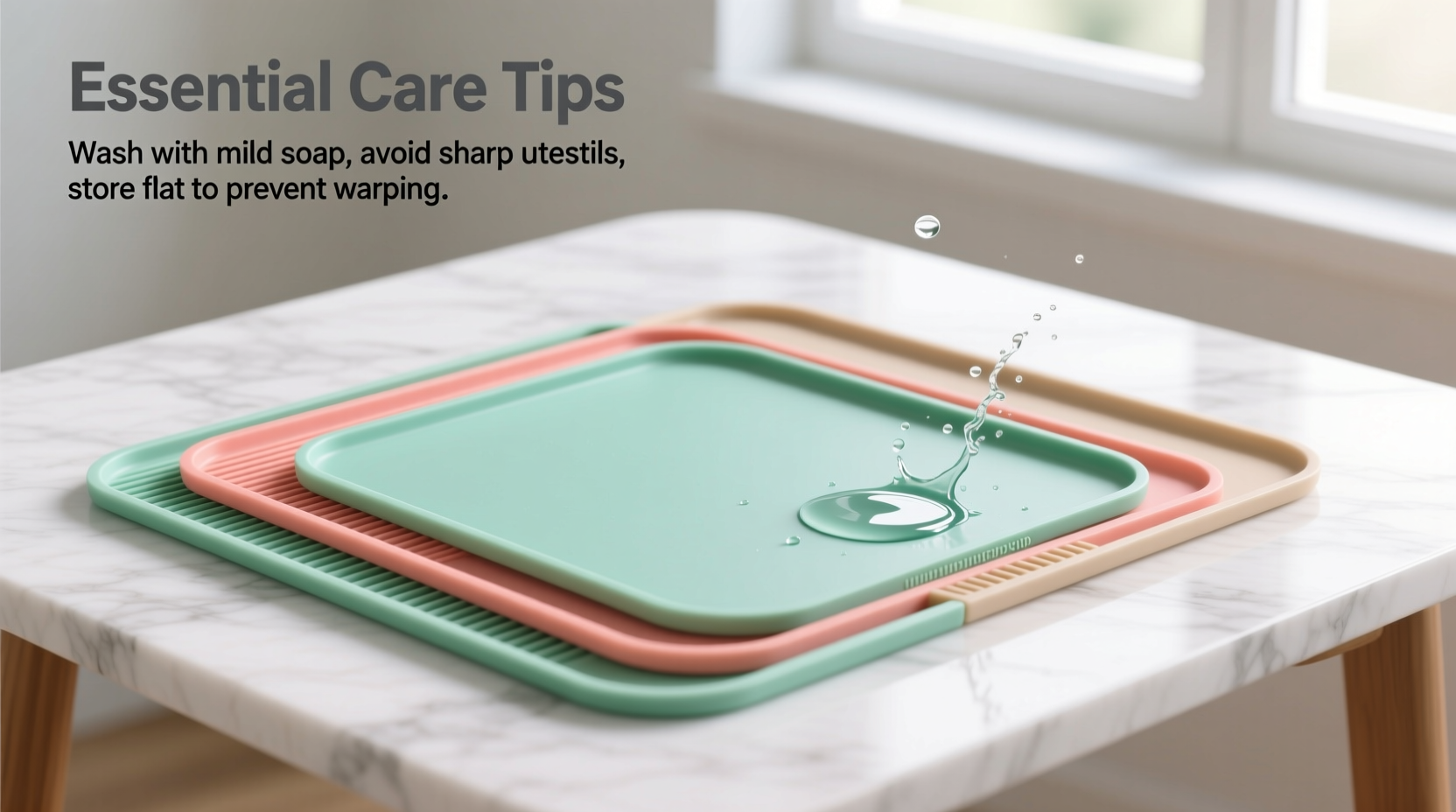
Silicone is inherently resistant to water, bacteria, and high temperatures, but it’s not impervious to wear. Food residues, especially oily or acidic substances, can degrade the surface if left uncleaned. Over time, exposure to direct sunlight may cause fading, and improper storage can lead to warping or creasing. Additionally, using abrasive tools during cleaning might create micro-scratches where dirt and germs can accumulate. These issues don’t happen overnight, but neglect accelerates them. Taking proactive steps ensures longevity, hygiene, and aesthetic appeal.
“Silicone is one of the most durable kitchen materials when cared for correctly. A few minutes of routine maintenance can extend its life by years.” — Dr. Lena Torres, Material Scientist & Home Product Consultant
Daily Cleaning: Simple Yet Effective
The foundation of placemat care begins with daily cleaning after each use. Unlike traditional table linens, silicone doesn’t absorb spills, which makes cleanup straightforward. Still, delaying cleaning allows food particles and oils to bond more tightly with the surface, increasing the effort required later.
To clean effectively:
- Rinse under warm water immediately after meals to remove loose debris.
- Use a soft sponge or cloth with mild dish soap to gently wipe both sides.
- Avoid steel wool or harsh scrubbers that can scratch the surface.
- Rinse thoroughly to eliminate any soapy residue.
- Pat dry with a lint-free towel or air-dry flat on a drying rack.
Deep Cleaning Routine: Monthly Maintenance
Even with regular washing, silicone can accumulate invisible grime and odor-causing bacteria over time. A monthly deep clean restores freshness and prevents long-term discoloration.
Here’s a step-by-step guide:
- Fill a sink or basin with warm water and add 1/4 cup of white vinegar or baking soda.
- Submerge the placemats completely and let them soak for 20–30 minutes.
- Use a soft brush (like an old toothbrush) to gently scrub textured areas or corners.
- Rinse under running water until all traces of vinegar or baking soda are gone.
- Dry flat or hang using clips to avoid warping.
Vinegar helps dissolve mineral deposits and neutralize odors, while baking soda acts as a gentle abrasive without damaging the material. This combination keeps surfaces smooth and hygienic without resorting to chemical cleaners.
Do’s and Don’ts of Silicone Placemat Care
| Do’s | Don’ts |
|---|---|
| Wash with mild detergent and soft cloths | Use bleach or ammonia-based cleaners |
| Store flat or rolled gently | Fold sharply or crush in drawers |
| Use placemats under hot dishes (up to 450°F) | Place directly on stovetop burners or open flame |
| Sanitize occasionally with vinegar solution | Put in dishwasher unless manufacturer approves |
| Rotate usage to prevent uneven wear | Leave in direct sunlight for extended periods |
Preventing Stains and Discoloration
Brightly colored foods like tomato sauce, turmeric, and beetroot can leave behind faint tints, especially on light-colored mats. While silicone resists staining better than most materials, pigments can embed into microscopic surface pores over time.
To minimize this risk:
- Blot spills quickly instead of wiping, which can spread the stain.
- Use a paste of baking soda and water on stubborn marks—apply, wait 10 minutes, then rinse.
- For persistent discoloration, try a UV-safe sanitizer tablet dissolved in water (follow product instructions).
- Choose darker or patterned mats for households with frequent messy meals.
Storage Solutions That Preserve Shape and Color
How you store your placemats affects both their physical condition and appearance. Folding them repeatedly creates permanent creases, while stacking heavy items on top can deform the surface. Exposure to sunlight fades dyes, particularly in reds and yellows.
Ideal storage practices include:
- Laying them flat in a drawer lined with parchment paper to prevent sticking.
- Rolling them loosely and securing with a fabric tie if space is limited.
- Keeping them away from windows or heat sources like ovens and radiators.
- Using a dedicated bin or basket to avoid mixing with sharp utensils.
“Proper storage isn’t just about convenience—it prevents stress fractures and color degradation in silicone products.” — Marcus Reed, Kitchen Design Specialist
Real-Life Example: The Busy Family Kitchen
The Thompson family uses silicone placemats daily for their three young children. At first, they simply wiped the mats down and tossed them into a drawer. Within two months, the edges began curling, and red spots from spaghetti sauce wouldn’t come off. After reading about proper care, they implemented a nightly rinse-and-air-dry routine and started soaking the mats monthly in vinegar water. They also switched to rolling the mats instead of folding. Six months later, the placemats looked nearly new, with no warping or lingering stains. Their simple shift in habits saved them from replacing a full set prematurely.
Maintenance Checklist
Stay on track with this practical checklist:
- ✅ Rinse after every meal
- ✅ Wash with mild soap and soft sponge
- ✅ Dry flat or hang—never fold when damp
- ✅ Deep clean monthly with vinegar or baking soda
- ✅ Inspect for discoloration or texture changes
- ✅ Store flat or rolled in a cool, dark place
- ✅ Rotate placemats if you own multiple sets
Frequently Asked Questions
Can I put silicone placemats in the dishwasher?
Some manufacturers label their products as dishwasher-safe, typically on the top rack. However, repeated dishwasher use—even when permitted—can accelerate wear due to high-pressure jets and strong detergents. Hand washing remains the safest option for preserving finish and flexibility.
Why does my placemat feel sticky after washing?
A sticky residue usually indicates soap buildup or exposure to oily substances that weren’t fully rinsed. Try rewashing with warm water and a tiny amount of distilled white vinegar added to the rinse cycle. Avoid fabric softeners or oily dish soaps.
How long should silicone placemats last with proper care?
With consistent cleaning and proper storage, high-quality silicone placemats can last 3–5 years or longer. Signs it’s time to replace them include cracking, persistent odors, or loss of non-slip properties.
Conclusion: Small Habits, Lasting Results
Caring for silicone placemats doesn’t require special tools or hours of effort. It hinges on consistency—rinsing promptly, cleaning gently, storing wisely, and refreshing periodically. These small actions compound over time, preserving both function and beauty. Whether you use them for weekday dinners or holiday gatherings, well-maintained placemats enhance your table setting and support a sustainable lifestyle. By integrating these essential tips into your routine, you protect your investment and enjoy a cleaner, more polished dining experience every day.




 浙公网安备
33010002000092号
浙公网安备
33010002000092号 浙B2-20120091-4
Comments
No comments yet. Why don't you start the discussion?