
A checkered pattern chopping board is more than a stylish kitchen accessory—it’s a functional tool that combines aesthetic appeal with practical utility. Often made from hardwoods like maple, walnut, or bamboo, these boards feature alternating light and dark squares that not only look striking but also help chefs distinguish between food types to avoid cross-contamination. However, without proper care, even the most durable board can crack, warp, or harbor bacteria. Maintaining your chopping board properly ensures it remains safe, hygienic, and beautiful for years.
Why Special Care Matters for Patterned Boards
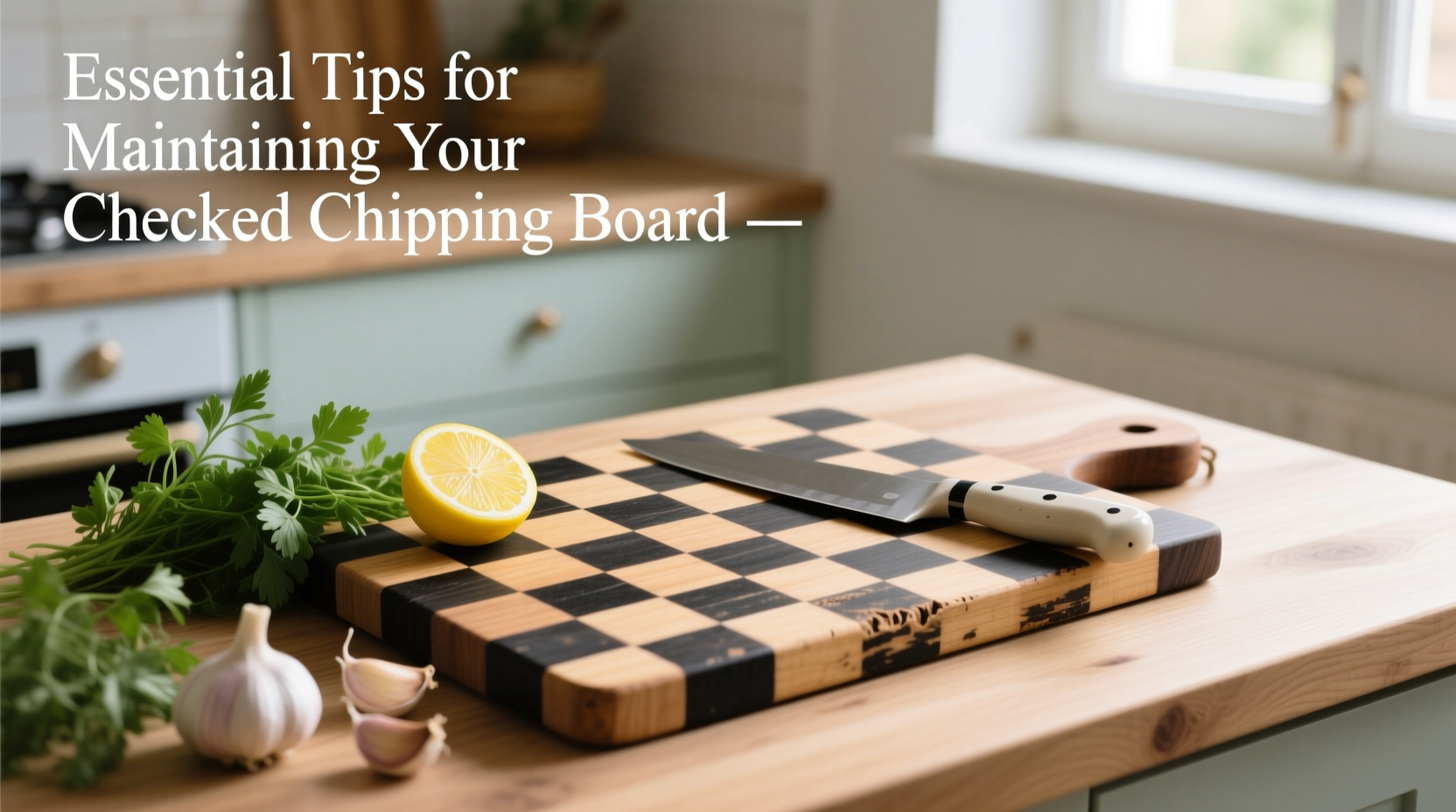
Checkered chopping boards are typically constructed using end-grain or edge-grain wood pieces arranged in a precise geometric layout. This craftsmanship makes them heavier, more shock-absorbent, and gentler on knife edges than standard plastic boards. But their intricate design also means they require more thoughtful maintenance. The glue lines between contrasting wood segments can be vulnerable to moisture absorption, leading to warping or delamination if not cared for correctly.
Additionally, the visual contrast of the checkered pattern highlights scratches, stains, and wear more clearly than solid-colored boards. A neglected board may lose its sharp appearance quickly, diminishing both its function and visual impact in your kitchen.
“Wooden chopping boards, especially those with inlaid patterns, are investments in both form and function. Treat them well, and they’ll serve you reliably for decades.” — James Holloway, Master Woodworker & Kitchen Tool Conservator
Daily Cleaning: The Foundation of Longevity
Proper cleaning after each use is the single most important habit for preserving your checkered chopping board. Unlike plastic boards, wood has natural antimicrobial properties, but this doesn’t eliminate the need for thorough cleaning.
Follow this routine:
- Rinse the board under warm (not hot) water immediately after use.
- Use a soft sponge or cloth with mild dish soap—never submerge the board in water.
- Clean both sides and all edges, paying attention to grooves where food particles may collect.
- Dry thoroughly with a clean towel, then stand upright or lay flat in a well-ventilated area to air-dry completely.
Deodorizing and Deep Cleaning Weekly
Over time, boards absorb odors from onions, garlic, fish, or raw meat. To refresh your board weekly:
- Sprinkle coarse salt or baking soda over the surface.
- Cut a lemon in half and rub it across the board in circular motions.
- Let sit for 5–10 minutes, then rinse and dry thoroughly.
The citric acid helps break down residue and neutralize odors, while the abrasiveness of salt lifts surface grime without scratching the wood.
Oiling: Protecting Against Drying and Cracking
Wood naturally loses moisture over time, especially when exposed to fluctuating kitchen environments. Regular oiling replenishes this moisture, seals the grain, and prevents cracks. For best results, use food-grade mineral oil or a beeswax-mineral oil blend.
Apply oil every 4–6 weeks—or more often in dry climates or if the board looks dull or feels rough.
Step-by-Step Oiling Guide
- Ensure the board is completely clean and dry.
- Pour a small amount of mineral oil onto a lint-free cloth (not directly onto the board).
- Wipe the oil evenly across the entire surface, including edges and underside.
- Allow the board to absorb the oil for at least 4 hours, preferably overnight.
- Buff off any excess oil with a dry cloth before use.
Storage and Usage Best Practices
How you store and use your board significantly impacts its lifespan. Even minor habits can accelerate wear or compromise structural integrity.
| Do’s | Don’ts |
|---|---|
| Store vertically or flat in a dry, ventilated area | Leave soaking in the sink or leaning against a wall where moisture collects |
| Use separate boards for raw meat, produce, and bread | Cut frozen foods or crush bones directly on the board |
| Rotate usage between multiple boards to reduce wear | Expose to direct sunlight or near heat sources like ovens |
| Use sharp knives—dull blades require more pressure and gouge the surface | Use abrasive scrubbers like steel wool or bleach-based cleaners |
Real Example: How One Chef Preserved a Decade-Old Board
Chef Lila Tran, who runs a farm-to-table bistro in Vermont, has used the same checkered maple-walnut board since opening her restaurant ten years ago. Despite daily use, it shows minimal wear. Her secret? “I clean it within five minutes of finishing prep, always dry it upright, and oil it religiously every month. I even keep a log on my phone as a reminder,” she says. “The board tells me when it needs care—when the color fades or the surface feels thirsty. Now it’s part of the kitchen’s identity.”
Repairing Minor Damage Before It Spreads
No matter how careful you are, small scratches and surface stains are inevitable. Addressing them early prevents deeper damage.
- Light Scratches: Lightly sand the area with fine-grit sandpaper (220 grit), following the grain. Wipe clean and re-oil.
- Stains: Sprinkle baking soda and mist with hydrogen peroxide (3%), let sit 10 minutes, then rinse and dry. Avoid chlorine bleach.
- Surface Roughness: Use a cabinet scraper or very fine steel wool (0000 grade) to smooth raised fibers, then condition.
If glue joints begin to lift—a rare but serious issue—stop using the board immediately. Small separations can sometimes be re-glued with food-safe wood adhesive, but consult a professional woodworker for structural repairs.
Frequently Asked Questions
Can I use my checkered chopping board for cutting raw meat?
Yes, but only if you follow strict hygiene practices. Clean thoroughly after each use, sanitize with a vinegar solution (1 part vinegar to 4 parts water), and consider reserving one board exclusively for raw proteins to prevent cross-contamination.
How often should I deep-clean my board?
A deep clean using salt and lemon should be done once a week for regular users. If the board develops strong odors or visible staining, perform a deep clean immediately.
Is it normal for my board to change color over time?
Yes. Natural wood darkens slightly with age and oiling. Light woods like maple may yellow, while darker woods like walnut deepen in tone. This is normal and adds character. Uneven discoloration usually indicates inconsistent drying or oiling—correct by reconditioning the entire board.
Essential Maintenance Checklist
Keep this checklist handy to maintain your board consistently:
- ✅ Clean with mild soap and warm water after every use
- ✅ Dry thoroughly and store upright or flat in a ventilated space
- ✅ Deodorize weekly with lemon and salt
- ✅ Oil every 4–6 weeks with food-grade mineral oil
- ✅ Inspect monthly for warping, cracks, or loose seams
- ✅ Sand and refinish lightly every 6–12 months as needed
- ✅ Avoid extreme temperatures, moisture, and harsh chemicals
Conclusion: Treat Your Board Like a Heirloom
Your checkered pattern chopping board is more than a kitchen tool—it’s a handcrafted piece designed to age gracefully with care. By following simple but consistent maintenance steps, you preserve not only its functionality but also its beauty and value. Each scratch tells a story, but proper care ensures those stories are told over many years, not cut short by neglect.




 浙公网安备
33010002000092号
浙公网安备
33010002000092号 浙B2-20120091-4
Comments
No comments yet. Why don't you start the discussion?