
A color blocking dress stands out in any wardrobe. With bold, contrasting panels of solid colors, it’s a fashion statement that blends artistry and structure. But the same design elements that make these dresses striking also make them more vulnerable to damage if not properly cared for. The different fabrics or dyes used in each block can react differently to water, heat, and detergents. Without thoughtful maintenance, fading, bleeding, misshaping, and pilling can ruin both appearance and longevity. The good news: with the right techniques, you can keep your color blocking dress vibrant, structured, and wearable for seasons to come.
Understand Your Dress’s Composition
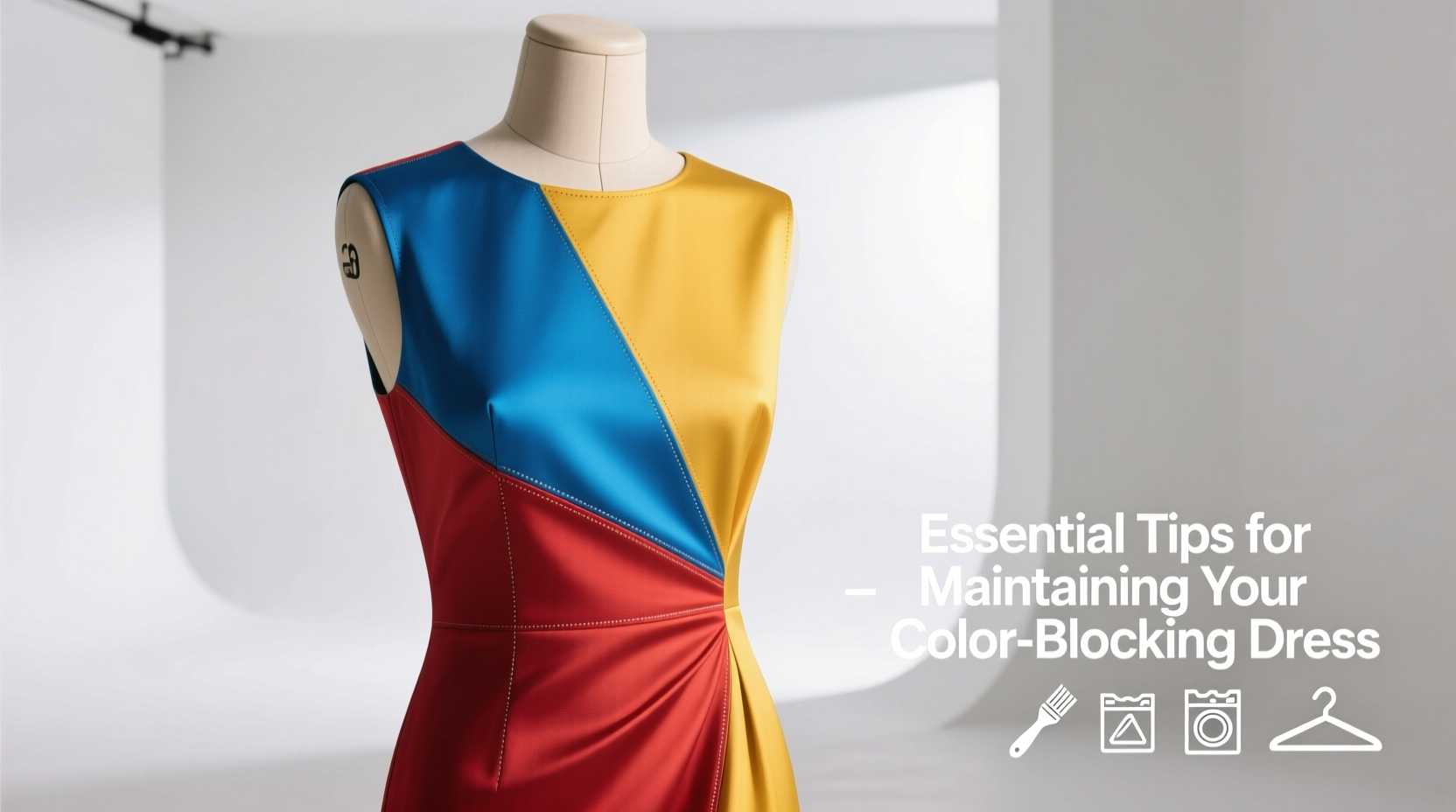
Before cleaning or storing your color blocking dress, identify what it’s made of. Many such dresses combine multiple materials—cotton, polyester, silk, or viscose—to achieve visual contrast. Check the care label inside the garment. It will specify whether the dress is machine washable, dry clean only, or hand-wash recommended. Pay special attention to seams where different fabrics meet; stress points like shoulders, waistlines, and armholes are prone to stretching or fraying if mishandled.
Additionally, note whether the dress uses printed panels or dyed textiles. Printed sections may crack if folded too tightly, while dyed fabrics risk bleeding when exposed to moisture or heat. If one section is silk and another is cotton, washing them together under high heat could shrink or warp one panel disproportionately.
Washing Without Compromising Color Integrity
Washing a color blocking dress requires precision. Even slight differences in dye stability between blocks can lead to bleeding, especially in reds, blues, and deep purples. Always wash the dress inside out to protect surface fibers and reduce abrasion on high-contrast edges.
If the care label permits machine washing, use cold water on a delicate cycle. Place the dress in a mesh laundry bag to minimize friction. Use a mild, pH-neutral detergent formulated for delicates—avoid bleach or optical brighteners, which degrade dyes over time. Never mix the dress with heavy garments like jeans or towels that can cause snags.
For hand washing, fill a basin with cold water and a small amount of gentle detergent. Submerge the dress and gently swirl it for 2–3 minutes. Do not wring, twist, or scrub. Rinse thoroughly with cold water until no suds remain.
“Color blocking garments are like puzzles—each piece has its own rules. Treat the weakest component as your guide.” — Lena Ruiz, Textile Conservation Specialist
Step-by-Step Guide: Safe Hand Washing Routine
- Turn the dress inside out.
- Fill a clean basin with cold water.
- Add a capful of mild detergent (e.g., Woolite).
- Submerge the dress and swirl gently for 2 minutes.
- Drain and refill with clean cold water to rinse.
- Repeat rinsing until water runs clear.
- Lay flat on a dry towel, roll to absorb excess moisture.
- Reshape and air-dry away from sunlight.
Drying and Ironing: Preventing Distortion and Fading
Heat and direct sunlight are the two biggest threats to a color blocking dress. UV rays break down dye molecules, causing once-vibrant blocks to fade unevenly. High heat from dryers or irons can melt synthetic fibers or shrink natural ones, distorting the geometric balance of the design.
Always air-dry your dress flat on a clean towel or drying rack. Hanging it wet risks stretching the fabric at stress points, particularly around the shoulders and waist. Avoid placing it near radiators or in direct sunlight—even brief exposure can trigger premature fading.
When ironing, check each fabric type separately. Use the lowest heat setting compatible with the most delicate material. Turn the dress inside out and place a pressing cloth between the iron and fabric to prevent shine or scorch marks. Never apply steam directly to printed or bonded seams, as moisture can weaken adhesives.
Storage Solutions to Maintain Shape and Color
How you store your dress impacts its lifespan as much as how you wash it. Folding can create permanent creases across color seams, especially if stored long-term. However, hanging isn’t always better—flimsy hangers can stretch shoulder seams, particularly in heavier fabrics.
The ideal method depends on the dress’s weight and structure. Lightweight jersey or rayon blends should be folded neatly and stored in a drawer lined with acid-free tissue paper. Heavier structured pieces with lining or boning can be hung on padded hangers inside a breathable cotton garment bag.
| Storage Method | Best For | Risks to Avoid |
|---|---|---|
| Folded in drawer | Knits, lightweight fabrics | Sharp creases across seams |
| Hanging on padded hanger | Structured, lined dresses | Shoulder stretching, dust buildup |
| Cedar chest with tissue paper | Seasonal storage | Moth damage, humidity |
Real Example: Recovering a Faded Statement Dress
Sophia, a graphic designer from Portland, owned a cobalt-and-saffron color blocked sheath dress she wore to client meetings. After six months, the yellow panel began fading faster than the blue, making the dress look unbalanced. She realized she had been hanging it in a closet with a skylight. UV exposure was degrading the yellow dye more rapidly due to its chemical composition.
She adjusted her routine: she moved the dress to a dark cedar chest, wrapped in cotton cloth, and began washing it only when necessary using cold water and a color-safe detergent. Within three wears, the contrast remained sharp. By rotating her outfits and avoiding sun exposure, she extended the dress’s prime condition by over a year.
Essential Care Checklist
- ✅ Check the care label before every wash
- ✅ Wash inside out in cold water
- ✅ Use a mild, dye-free detergent
- ✅ Air-dry flat, away from sunlight
- ✅ Store folded or on a padded hanger
- ✅ Inspect seams and color transfer monthly
- ✅ Rotate wear to minimize stress
FAQ: Common Concerns About Color Blocking Dresses
Can I machine wash a color blocking dress with different fabric types?
Only if the care label explicitly allows it. When in doubt, hand wash. Mixed fabrics often require different water temperatures and agitation levels, increasing the risk of damage during machine cycles.
What should I do if one color starts bleeding?
Stop washing immediately. Rinse the dress in cold water and re-soak in a vinegar-water solution (1 part white vinegar to 4 parts water) for 30 minutes. This can help set loose dyes. In the future, wash the dress separately and consider using a color-catcher sheet.
How often should I clean my color blocking dress?
Only when necessary—typically after 3–5 wears, depending on climate and activity. Overwashing accelerates wear, especially at color seams. Spot-clean minor stains instead of full washes when possible.
Protect Your Investment with Intentional Habits
A color blocking dress is more than clothing—it’s a deliberate expression of style. Preserving its impact means respecting the craftsmanship behind its construction. From mindful washing to strategic storage, each decision affects how long it stays vibrant and wearable. These practices aren’t about perfection but consistency. Small habits, repeated over time, prevent irreversible damage and maintain the bold aesthetic that drew you to the piece in the first place.




 浙公网安备
33010002000092号
浙公网安备
33010002000092号 浙B2-20120091-4
Comments
No comments yet. Why don't you start the discussion?