
Apple device sheaths—whether for the iPhone, iPad, or MacBook—are designed to blend sleek aesthetics with functional protection. Crafted from premium materials like leather, silicone, or microfiber, these accessories enhance both usability and visual appeal. However, their elegance is not immune to wear. Daily exposure to oils, dust, moisture, and friction can degrade even the most refined finishes over time. Proper care ensures that your sheath remains as polished as the device it protects, extending its lifespan and preserving its value.
Understanding Your Sheath Material
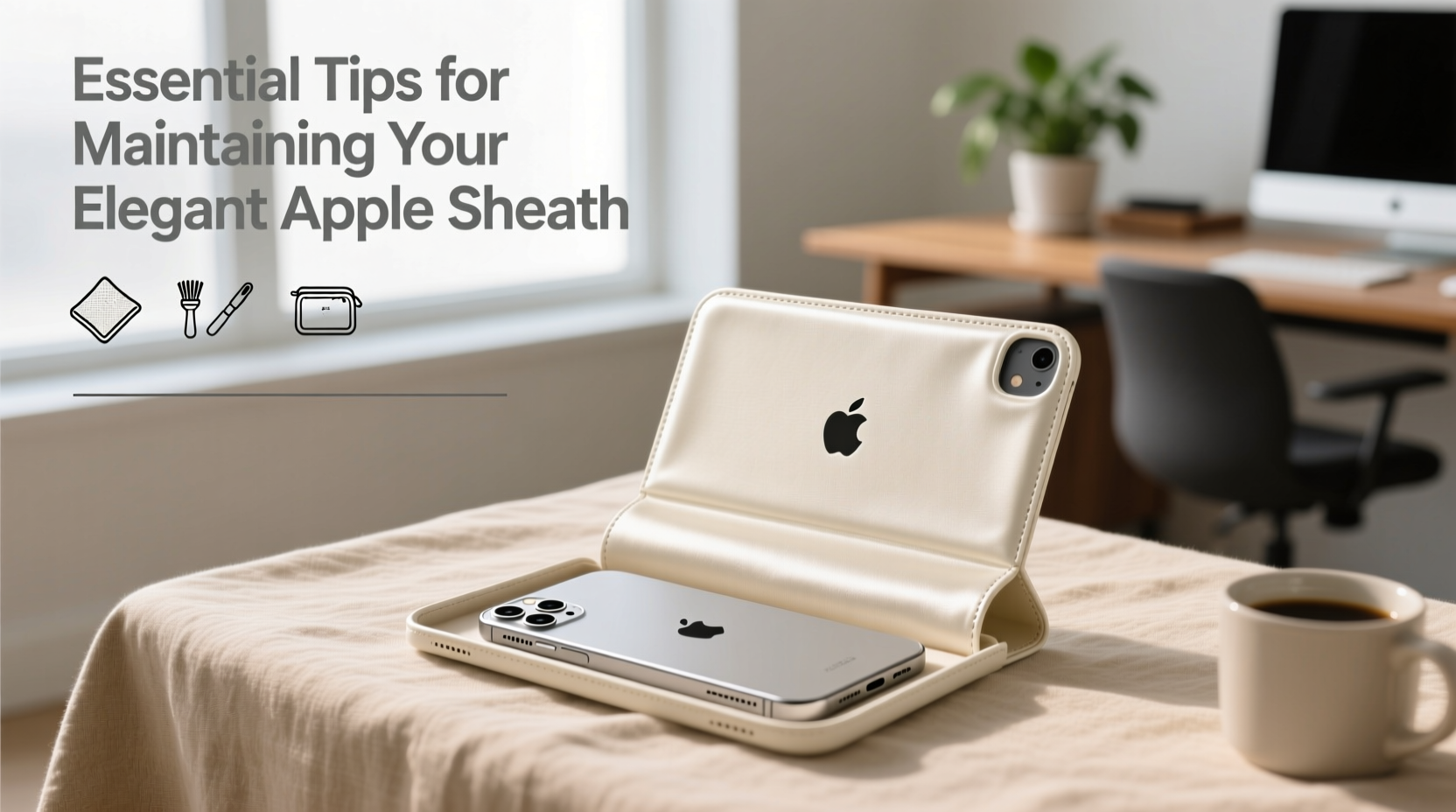
Before implementing any cleaning or maintenance routine, identify the material of your Apple sheath. Each type demands a specific approach:
- Leather (e.g., FineWoven or genuine leather): Offers a luxurious feel but requires conditioning to prevent drying and cracking.
- Silicone: Durable and flexible, yet prone to collecting dust and developing stickiness over time.
- Fabric-based (e.g., recycled polyester or knit blends): Resistant to abrasion but vulnerable to stains and odor buildup.
- Aluminum or hard polycarbonate: Minimalist and protective, though susceptible to scratches and smudges.
Misidentifying the material can lead to irreversible damage. Always refer to Apple’s official support documentation or product labeling before applying any cleaning agent.
Daily Maintenance Practices
Consistency is key. Incorporating simple habits into your daily routine prevents long-term deterioration:
- Wipe down surfaces weekly using a soft, lint-free cloth slightly dampened with distilled water. Dry immediately to avoid moisture retention.
- Remove debris from seams and ports with a dry toothbrush or compressed air. Dust buildup in crevices accelerates material fatigue.
- Avoid placing your device in the sheath with dirty screens or cases. Oils and particles transfer easily, creating embedded grime.
- Rotate usage if you own multiple sheaths, giving each time to \"rest\" and reducing continuous strain on one unit.
These actions may seem minor, but they compound into significant preservation benefits over months and years.
Deep Cleaning by Material Type
Every 6–8 weeks, perform a deeper clean based on your sheath’s composition. The method varies significantly by material:
| Material | Cleaning Method | Avoid |
|---|---|---|
| Leather | Use a manufacturer-approved leather wipe or a microfiber cloth with a drop of pH-balanced leather cleaner. Condition quarterly. | Water immersion, abrasive cloths, direct sunlight during drying |
| Silicone | Wash with mild soap and water. Rinse thoroughly and air-dry away from heat sources. | Boiling, dishwashers, solvents like acetone |
| Fabric | Spot-clean with diluted castile soap. Blot gently; never saturate. | Machine washing, bleach, ironing |
| Rigid (plastic/metal) | Wipe with isopropyl alcohol (70%) on a cloth—never spray directly. | Ammonia-based cleaners, steel wool |
Always test any solution on an inconspicuous area first. Patience and precision matter more than speed when handling delicate materials.
Step-by-Step: Quarterly Leather Sheath Conditioning
If your sheath is leather, follow this timeline to maintain suppleness and luster:
- Week 1: Clean – Gently wipe surface with a slightly damp microfiber cloth. Let air-dry completely (minimum 2 hours).
- Week 2: Apply conditioner – Use a pea-sized amount of non-silicone leather conditioner. Buff in circular motions with a soft cloth.
- Week 3: Assess finish – Check for even absorption. Reapply only if dry patches remain.
- Ongoing: Monitor for wear – Pay attention to stress points like corners and hinge areas.
This gradual process prevents over-conditioning, which can weaken stitching and attract dirt.
“Properly maintained leather retains its richness for years. Skipping conditioning leads to premature aging—especially in climates with low humidity.” — Lena Torres, Product Care Specialist at Apple Authorized Service Provider
Storage and Environmental Protection
Where and how you store your sheath when not in use is just as important as cleaning. Environmental factors play a major role in degradation:
- Avoid extreme temperatures: Heat warps silicone and dries leather; cold makes materials brittle.
- Keep away from direct sunlight: UV rays fade colors and break down polymers in synthetic fabrics.
- Store flat or upright in a breathable container: Avoid stacking heavy items on top, which distorts shape.
- Use a cotton dust bag for long-term storage—never plastic, which traps moisture and encourages mold.
In humid regions, consider adding a silica gel packet near stored sheaths to absorb ambient moisture.
Mini Case Study: The Overlooked MacBook Sleeve
Sarah, a freelance designer in Portland, used her MacBook Pro daily with a woven nylon sleeve. After two years, she noticed fraying at the zipper ends and a persistent musty smell. Upon inspection, she realized she had been tossing the sleeve into her backpack without cleaning it and occasionally storing it in a damp basement workspace. Following a restoration guide, she spot-cleaned the fabric with a vinegar-water solution (1:3 ratio), aired it for 48 hours, and began using a ventilated drawer for storage. Within weeks, the odor disappeared and further wear slowed dramatically. Her experience underscores how environmental neglect can undermine even high-quality materials.
Common Mistakes That Shorten Sheath Life
Even well-intentioned owners make errors that compromise durability. Be mindful of these frequent missteps:
- Using household cleaners: Windex, Clorox wipes, or dish soap contain chemicals too harsh for coated or porous surfaces.
- Forgetting interior lining: The inner fabric or felt also collects oils and should be wiped monthly.
- Ignoring fit changes: Swelling from moisture or compression can make a once-snug sheath too tight, stressing seams.
- Overloading pockets: Adding cards or pens to slim cases creates pressure points and warping.
Prevention is simpler and less costly than repair. A moment of caution saves months of regret.
FAQ
Can I machine-wash my fabric Apple sheath?
No. Machine washing risks shrinking, seam damage, and adhesive failure (especially in lined cases). Spot-cleaning with a mild detergent and air-drying is the safest method.
How do I remove sticky residue from a silicone case?
Mix a paste of baking soda and a few drops of water. Gently rub the affected area with a soft cloth, then rinse and dry. Avoid scrubbing aggressively to prevent micro-scratches.
Is it safe to use screen cleaning wipes on my sheath?
Only if the sheath is made of rigid plastic or metal and the wipe is alcohol-based (70% isopropyl). Do not use on leather, fabric, or silicone, as these materials absorb liquids and deteriorate.
Final Checklist: Monthly Sheath Care Routine
- Inspect for tears, loose stitching, or discoloration.
- Wipe exterior and interior with a dry microfiber cloth.
- Spot-clean any stains using appropriate method for material.
- Vacuum or brush out dust from seams and corners.
- Check fit and alignment with your device.
- Store properly in a cool, dry, shaded location.
Completing this checklist takes less than ten minutes but significantly enhances longevity and appearance.
Conclusion
Your Apple device sheath is more than an accessory—it's a statement of care and craftsmanship. By treating it with the same attention you give your device, you honor the design and investment behind both. Simple habits, informed choices, and timely maintenance transform routine upkeep into lasting elegance. Whether you own a minimalist MagSafe wallet or a padded iPad sleeve, consistent care ensures it performs beautifully for years.




 浙公网安备
33010002000092号
浙公网安备
33010002000092号 浙B2-20120091-4
Comments
No comments yet. Why don't you start the discussion?