
PVC shoulder bags have surged in popularity thanks to their sleek, modern look, weather resistance, and affordability. Unlike leather or fabric alternatives, polyvinyl chloride (PVC) offers a glossy, durable surface that stands up well to daily wear—when properly maintained. However, neglecting care can lead to cracking, discoloration, and premature aging. With the right routine, your PVC bag can remain vibrant and functional for years. This guide delivers practical, expert-approved strategies to preserve its appearance and structural integrity.
Understanding PVC: Why It Needs Special Care
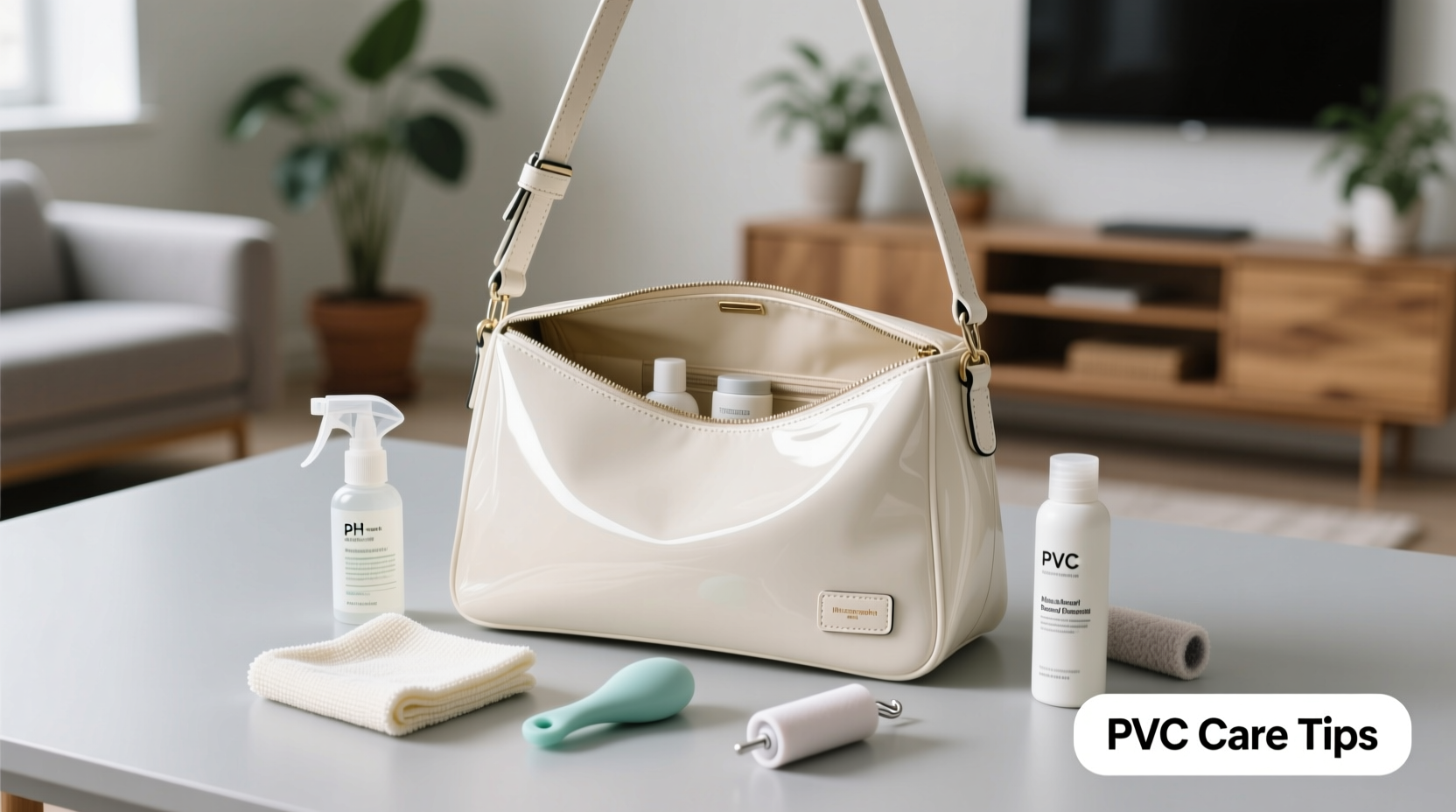
PVC is a synthetic plastic known for its water-resistant properties and high-gloss finish. While it resists moisture better than most materials, it’s sensitive to environmental stressors like UV exposure, extreme temperatures, and certain chemicals. Over time, untreated PVC can become brittle, yellow, or develop micro-cracks—especially if stored improperly or cleaned with abrasive products.
The material often includes plasticizers to maintain flexibility. These additives can degrade when exposed to heat or solvents, leading to stiffness and eventual cracking. Recognizing these vulnerabilities allows you to take preventive steps early.
“PVC isn’t indestructible. Its longevity depends heavily on how it’s handled day-to-day. A little diligence goes a long way.” — Lena Ruiz, Material Conservation Specialist
Daily Maintenance Habits That Make a Difference
Prevention is the cornerstone of PVC care. Incorporating small habits into your routine can significantly delay wear and keep your bag looking new.
- Wipe after use: Use a dry microfiber cloth to remove dust and fingerprints, especially from the glossy exterior.
- Avoid overloading: Excessive weight strains seams and distorts the bag’s shape, accelerating material fatigue.
- Keep away from jewelry: Rings, bracelets, or zippers on other items can scratch the surface during transit.
- Rotate usage: If you own multiple bags, alternate them to reduce continuous stress on one item.
Step-by-Step Guide to Deep Cleaning Your PVC Bag
While daily wiping helps, periodic deep cleaning removes built-up grime and restores shine. Follow this five-step process every 6–8 weeks, or more often if used frequently.
- Empty and inspect: Remove all contents. Check for stains, scratches, or loose stitching.
- Dust removal: Use a soft brush or dry cloth to eliminate surface debris from crevices and corners.
- Prepare cleaning solution: Mix a few drops of mild dish soap with lukewarm water. Avoid bleach, ammonia, or alcohol-based cleaners.
- Clean gently: Dampen a microfiber cloth (never soak it) and wipe the entire surface in circular motions. Focus on high-touch areas like handles and zippers.
- Dry thoroughly: Air-dry the bag upright in a shaded, well-ventilated area. Do not use heat sources like hairdryers.
For stubborn marks, a cotton swab dipped lightly in soapy water can target small spots without damaging surrounding areas. Never submerge the bag or scrub aggressively.
Storage Best Practices to Prevent Damage
How you store your PVC bag between uses is just as important as how you clean it. Poor storage leads to warping, discoloration, and chemical breakdown.
| Do | Don't |
|---|---|
| Store in a cool, dry closet away from windows | Leave it in direct sunlight or near radiators |
| Use a breathable cotton dust bag | Wrap it in plastic, which traps moisture |
| Stuff loosely with acid-free tissue paper to hold shape | Overstuff with newspaper, which can transfer ink |
| Lay flat or hang by base (not straps) | Suspend by thin straps, risking deformation |
Avoiding Common Mistakes: Real-Life Example
Sophie, a graphic designer in Portland, loved her transparent PVC tote for its modern aesthetic and practicality. She used it daily for her tablet, sketchbook, and coffee. Within eight months, the once-clear material turned cloudy, and fine cracks appeared near the handle joints. Upon inspection, she realized she had been leaving the bag on her desk next to a south-facing window. The constant UV exposure degraded the plasticizers in the PVC, making it brittle.
After switching to indirect lighting and adopting a bi-monthly cleaning routine, Sophie’s replacement bag stayed pristine for over two years. Her experience underscores how easily environmental factors can compromise durability—and how simple adjustments yield dramatic improvements.
Protective Measures for Long-Term Resilience
While PVC doesn’t require conditioning like leather, you can enhance its resilience with protective sprays designed for vinyl or plastic surfaces. Look for products labeled “anti-UV” and “plasticizer-stabilizing.” Apply sparingly every 3–4 months:
- Test on a small, inconspicuous area first.
- Spray onto a cloth, not directly onto the bag.
- Buff gently to avoid residue buildup.
Additionally, treat metal hardware regularly. Wipe zippers and clasps with a dry cloth to prevent tarnishing, and apply a tiny drop of silicone lubricant annually to ensure smooth operation.
Frequently Asked Questions
Can I use baby wipes to clean my PVC bag?
No. Most baby wipes contain alcohol and fragrances that can strip the surface finish and accelerate yellowing. Stick to soap-and-water solutions or wipes specifically formulated for vinyl.
Why is my clear PVC bag turning yellow?
Yellowing is typically caused by prolonged exposure to UV light, heat, or cigarette smoke. Oxidation breaks down stabilizers in the plastic. Storing the bag properly and minimizing sun contact can slow or prevent this.
Is it safe to machine-wash a PVC bag?
Absolutely not. The agitation, heat, and detergents will damage the material and likely ruin the bag. Always clean by hand using gentle methods.
Care Checklist: Monthly PVC Bag Maintenance
Stay proactive with this quick-reference checklist. Perform these actions monthly to extend your bag’s life:
- ✅ Wipe down exterior and interior with damp microfiber cloth
- ✅ Inspect seams and stitching for fraying or separation
- ✅ Clean zipper tracks with a soft toothbrush
- ✅ Check hardware for looseness or corrosion
- ✅ Reapply protective spray (every 3–4 months)
- ✅ Rotate storage position to prevent flat spots
- ✅ Replace stuffing material if wrinkled or discolored
Conclusion: Small Efforts, Lasting Results
Your PVC shoulder bag blends style and functionality, but its lifespan hinges on consistent, informed care. From avoiding direct sunlight to adopting a gentle cleaning rhythm, each step protects your investment. These practices don’t demand extra time—just awareness and intention. By integrating these habits, you preserve not only the bag’s appearance but also its structural strength.




 浙公网安备
33010002000092号
浙公网安备
33010002000092号 浙B2-20120091-4
Comments
No comments yet. Why don't you start the discussion?