
Quartz watches are celebrated for their precision, reliability, and low maintenance compared to mechanical counterparts. However, even the most advanced quartz movement requires proper care to maintain its performance and lifespan. Dust, moisture, magnetism, and neglect can degrade function over time. Understanding how to properly maintain your quartz watch ensures it remains accurate, durable, and a trusted companion for years.
Unlike automatic or manual-wind movements, quartz mechanisms rely on a battery-powered electronic oscillator regulated by a tiny quartz crystal. While this design reduces mechanical wear, it introduces new vulnerabilities—especially around seals, electronics, and battery integrity. A well-maintained quartz watch can easily last decades with consistent attention to detail.
Understanding Quartz Watch Movement Basics
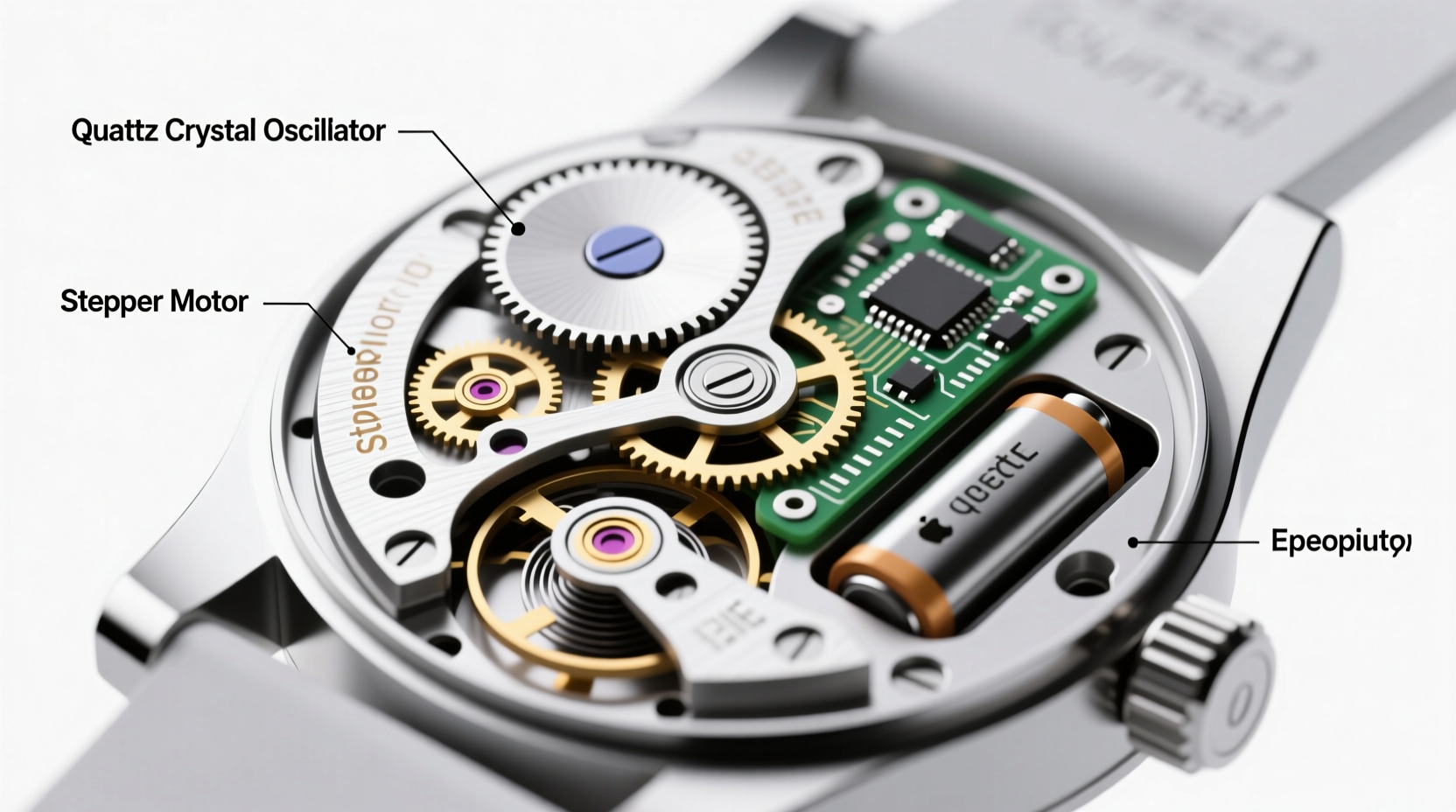
The heart of a quartz watch is its movement: a miniature circuit powered by a battery that sends electrical pulses through a quartz crystal. The crystal vibrates at a precise frequency—typically 32,768 times per second—which the circuit counts and converts into one-second increments. This signal drives the motor that moves the hands.
Because the system is electronic, physical shocks, exposure to water beyond its rating, and magnetic fields can interfere with operation. Additionally, while fewer moving parts mean less friction-based wear, components like gaskets, batteries, and circuits still degrade over time.
Key Maintenance Practices for Longevity
Maintaining a quartz watch isn’t complicated, but it does require consistency and awareness. Here are five essential practices every owner should follow:
- Battery Replacement Timing: Replace the battery every 1–2 years, even if the watch still runs. Old batteries can leak corrosive fluid that damages the movement.
- Seal Integrity Checks: Gaskets in the case back, crown, and pushers prevent dust and moisture ingress. Have them inspected during battery changes.
- Cleaning Routine: Wipe the case and bracelet weekly with a soft, dry cloth. For metal bands, use mild soapy water and a soft brush monthly.
- Avoid Magnetic Fields: Keep your watch away from speakers, smartphones, tablets, and magnetic clasps. Strong magnetism can stall the motor or disrupt timing.
- Shock Protection: Remove your watch during high-impact activities like hammering, golfing, or weightlifting to avoid damaging internal components.
Step-by-Step: How to Perform Basic Monthly Care
A simple routine keeps your quartz watch looking and functioning its best. Follow this timeline:
- Day 1 (Monthly): Inspect the crystal for scratches and the case for dents. Check for fogging inside the dial—this indicates seal failure.
- Day 2: Clean the case and band. Use a microfiber cloth dampened slightly with water (avoid the crown). For stainless steel, add a drop of dish soap to warm water and gently scrub with a soft toothbrush.
- Day 3: Ensure the crown is fully pushed in or screwed down. Test timekeeping accuracy against an atomic clock or smartphone app.
- Day 4: Store the watch in a dry, temperature-stable location—ideally in a lined box or pouch away from electronics.
Do’s and Don’ts: Quartz Watch Care Table
| Do’s | Don’ts |
|---|---|
| Replace the battery promptly when it dies | Leave a dead battery in the watch—it can leak |
| Have water resistance tested annually | Assume your watch is waterproof without verification |
| Clean the bracelet regularly | Use ultrasonic cleaners unless approved by the manufacturer |
| Store in a cool, dry place | Expose to extreme temperatures or direct sunlight |
| Service every 5–7 years | Open the case yourself unless trained |
When to Seek Professional Service
While daily care can be handled at home, professional servicing is crucial for long-term health. Over time, lubricants in the stepper motor and gear train dry out, and microscopic debris can accumulate. Even sealed units benefit from periodic inspection.
Signs you need a qualified watchmaker:
- The second hand jumps in two- or five-second intervals (indicating low battery voltage)
- Visible condensation under the crystal
- Inaccurate timekeeping despite a fresh battery
- Stiff or loose crown operation
- Unusual ticking sounds or stuttering hands
“Many people think quartz watches are ‘maintenance-free,’ but that’s a myth. A service every five to seven years can prevent costly repairs and extend life by decades.” — Daniel Reeves, Master Watchmaker & Horology Instructor
Mini Case Study: Reviving a Neglected Vintage Quartz
Mark inherited a 1985 Seiko quartz dress watch from his grandfather. Though it still ran, the seconds hand stuttered, and the case had tarnished. He avoided wearing it, fearing damage.
He took it to a specialist who discovered a corroded battery terminal and degraded gasket. After replacing the battery, cleaning the contacts, and resealing the case, the watch regained perfect accuracy. The technician also polished the case lightly and cleaned the leather strap.
Mark now wears it weekly. With biannual checkups, the watch remains a family heirloom in working condition—proof that proactive care transforms neglect into legacy.
Checklist: Quartz Watch Care Essentials
Use this checklist quarterly to stay on track:
- ✅ Battery voltage checked or replaced within the last 2 years
- ✅ No fogging or moisture under the crystal
- ✅ Crown screws down smoothly (if applicable) and feels tight
- ✅ Case and band cleaned with appropriate method
- ✅ Stored away from magnets and heat sources
- ✅ Last professional service within the past 5–7 years
- ✅ Water resistance tested after any case opening
Frequently Asked Questions
Can I swim with my quartz watch?
Only if it has a water resistance rating of at least 100 meters (10 ATM) and the seals are recently tested. Never operate the crown or buttons underwater, even on dive watches. Showering is discouraged due to steam and soap degrading gaskets.
Why did my quartz watch stop suddenly?
Sudden stops usually indicate battery failure. However, it could also result from a loose connection, circuit damage, or rotor blockage in the stepper motor. If a new battery doesn’t fix it, seek professional diagnosis.
Do quartz watches need servicing like mechanical ones?
Yes, though less frequently. Every 5–7 years, a quartz movement should be disassembled, cleaned, inspected for corrosion, and resealed. This prevents hidden issues like dried lubricant or metal fatigue from escalating.
Final Thoughts: Treat Precision with Respect
A quartz watch is more than a timekeeper—it’s a blend of engineering and craftsmanship designed to serve faithfully. Its accuracy is only as enduring as the care behind it. By respecting its limitations and honoring its needs, you preserve not just function, but value and sentiment.
Whether you own a sleek modern chronograph or a vintage digital marvel, consistent maintenance turns a simple accessory into a lifelong companion. Don’t wait for a malfunction to act. Start today: clean your watch, check the battery, and schedule a seal test. Your future self will thank you when that same watch ticks perfectly decades from now.




 浙公网安备
33010002000092号
浙公网安备
33010002000092号 浙B2-20120091-4
Comments
No comments yet. Why don't you start the discussion?