
For many, a squeaky cat plush doll is more than just a toy—it’s a cherished companion, a comfort object, or even a collectible. Whether it belongs to a child, a collector, or an adult seeking nostalgic comfort, its longevity depends on proper care. Over time, plush toys can accumulate dust, lose their softness, or suffer internal damage—especially when they contain squeakers. With the right maintenance routine, however, you can preserve both the appearance and functionality of your plush cat for years.
Understanding Your Squeaky Cat Plush Doll
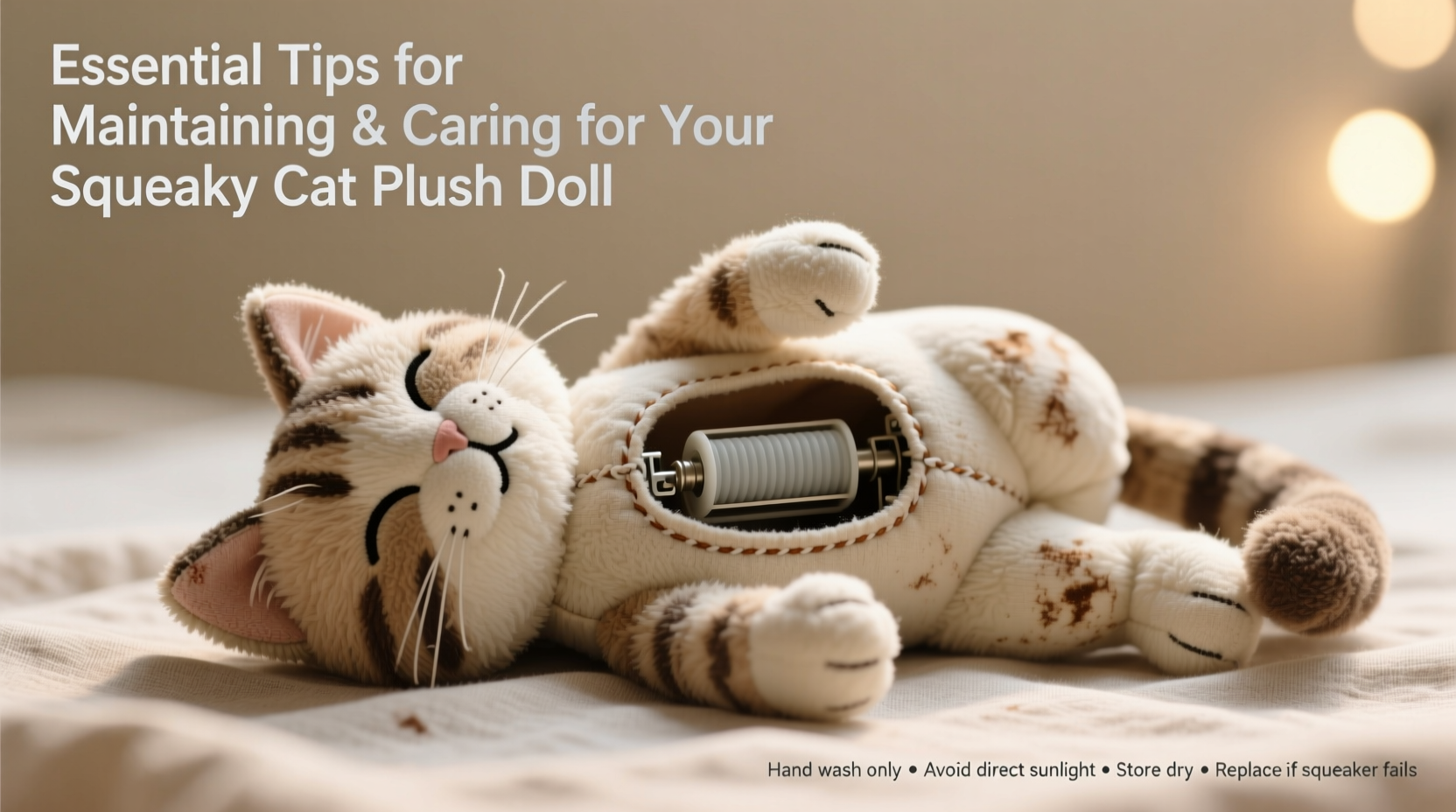
Squeaky cat plush dolls are typically made from synthetic fabrics like polyester or acrylic, filled with soft polyfill, and equipped with a small plastic squeaker inside. The squeaker activates when pressure is applied, producing a sound that mimics a cat’s meow or playful chirp. While durable by design, these components are sensitive to moisture, heat, and rough handling.
The outer fabric may be susceptible to pilling or fading, especially if exposed to sunlight or washed improperly. The stuffing can clump if wet, and the squeaker can crack or stop working if punctured or exposed to water. Recognizing these vulnerabilities helps inform smarter care decisions.
“Plush toys with internal mechanisms require special attention—cleaning methods safe for regular stuffed animals may damage embedded components.” — Dr. Lena Peterson, Textile Preservation Specialist
Daily Maintenance and Cleaning Routine
Regular upkeep prevents deep-set stains and odors. Unlike standard plush toys, squeaky dolls should not be submerged frequently, as water can compromise the squeaker’s integrity. Instead, adopt a light-touch cleaning strategy.
Spot clean using a damp microfiber cloth and a drop of mild detergent. Gently dab at soiled areas—never rub aggressively. For odor control, sprinkle baking soda lightly over the surface, let sit for 15 minutes, then vacuum thoroughly. This method neutralizes smells without introducing excess moisture.
Monthly Deep-Cleaning Protocol
If the doll becomes visibly soiled or develops persistent odors, a deeper clean may be necessary—but proceed with caution. Always check the manufacturer’s label first. If machine washing is permitted, follow this process:
- Place the plush in a mesh laundry bag to reduce friction.
- Use cold water and a gentle cycle with hypoallergenic detergent.
- Avoid bleach or fabric softeners, which degrade fibers and squeakers.
- Do not tumble dry. Instead, air-dry flat away from direct sunlight or heat sources.
If the care label advises against machine washing, hand wash only. Fill a basin with cold water and a small amount of gentle soap. Submerge briefly, pressing gently to release dirt. Rinse thoroughly with cold water, then press between clean towels to absorb moisture. Never wring the doll, as this can misshape the stuffing and crack the squeaker.
Proper Storage Techniques
How you store your squeaky cat plush when not in use significantly impacts its lifespan. Exposure to humidity, sunlight, and pests can lead to mold, fading, and fabric deterioration.
| Storage Method | Benefits | Risks to Avoid |
|---|---|---|
| Cool, dry closet shelf | Prevents moisture buildup and dust accumulation | Avoid placing near heaters or windows |
| Breathable cotton storage bag | Protects from dust while allowing airflow | Never use plastic bags—they trap moisture |
| Display case (for collectors) | Shields from UV rays and physical wear | Ensure the case is sealed but ventilated |
Handling and Play Safety
Children and pets often play roughly with plush toys, increasing the risk of seam splits or squeaker damage. Supervise young children during play to prevent biting, pulling, or excessive squeezing. Similarly, keep the doll away from pets who might treat it as prey.
Avoid exposing the plush to extreme temperatures. Leaving it in a hot car or near a radiator can warp the squeaker and melt adhesive seams. Likewise, freezing conditions may make the plastic brittle.
Mini Case Study: Sarah’s Rescued Squeaky Cat
Sarah, a college student, inherited a vintage squeaky cat plush from her grandmother. After years in an attic trunk, the doll was dusty and stiff, with a muffled squeak. She avoided washing it immediately, fearing damage. Instead, she vacuumed it gently, then aired it outside for two hours in the shade. She spot-cleaned stains with diluted castile soap and allowed it to dry for 48 hours on a drying rack. The squeaker regained partial function, and the fur softened after brushing with a pet comb. By taking a cautious approach, Sarah preserved a family heirloom without causing further harm.
Repair and Restoration Guide
Even with careful use, wear and tear happen. Loose threads, flattened stuffing, or a silent squeaker don’t mean the end of your plush cat’s life. Simple repairs can extend its usability.
- Reinforce seams: Use a needle and matching thread to secure fraying edges with a backstitch.
- Fluff the filling: Gently massage compressed areas or use a fabric steamer (on low, from a distance) to revive loft.
- Replace the squeaker: If technically inclined, open a seam carefully, remove the broken squeaker, and insert a replacement (available online). Sew closed securely.
“Restoration isn’t about perfection—it’s about preserving emotional value. A few stitches can bring back years of comfort.” — Marcus Reed, Soft Toy Conservator
Do’s and Don’ts of Plush Care
| Do | Don’t |
|---|---|
| Spot clean regularly | Soak the entire toy unless labeled safe |
| Store in breathable containers | Leave in direct sunlight for long periods |
| Vacuum monthly | Use strong detergents or bleach |
| Inspect seams quarterly | Allow pets to chew on it |
Frequently Asked Questions
Can I wash a squeaky plush if the label is missing?
When in doubt, assume it’s not machine-washable. Opt for spot cleaning and surface sanitizing instead. Test any cleaning solution on an inconspicuous area first to check for colorfastness.
Why did my squeaky cat stop squeaking after washing?
Water likely entered the squeaker, causing it to stick or corrode. In some cases, letting it dry completely for several days may restore function. If not, the internal membrane may be damaged and require replacement.
How often should I inspect my plush for damage?
Conduct a thorough inspection every three months. Check for loose threads, stains, odors, and squeaker responsiveness. Early detection prevents minor issues from becoming irreparable.
Essential Care Checklist
- ✔ Vacuum surface weekly
- ✔ Spot clean spills immediately
- ✔ Inspect seams and stitching monthly
- ✔ Air out in indirect sunlight every few months
- ✔ Store in a breathable fabric bag
- ✔ Avoid exposure to moisture and heat
- ✔ Hand wash only when necessary, following safety steps
Final Thoughts
Maintaining a squeaky cat plush doll goes beyond cleanliness—it’s about honoring the joy and comfort it provides. With mindful handling, consistent care, and timely repairs, your plush companion can remain soft, clean, and delightfully squeaky for years to come. Whether it sits on a shelf, travels in a backpack, or comforts someone at bedtime, its condition reflects the attention you give it.




 浙公网安备
33010002000092号
浙公网安备
33010002000092号 浙B2-20120091-4
Comments
No comments yet. Why don't you start the discussion?