
Leather bracelets are more than just accessories—they’re personal statements, symbols of style, and often carry emotional value. Whether it’s a handcrafted piece passed down through generations or a sleek modern design from your favorite brand, preserving its integrity is essential. Leather is a natural material that ages beautifully when cared for properly, but it’s also vulnerable to environmental stressors, moisture, and improper handling. Without the right maintenance, your bracelet can crack, fade, or deteriorate prematurely. Understanding how to protect and care for your leather bracelet ensures it remains supple, rich in color, and durable for years.
Understand Your Leather Type
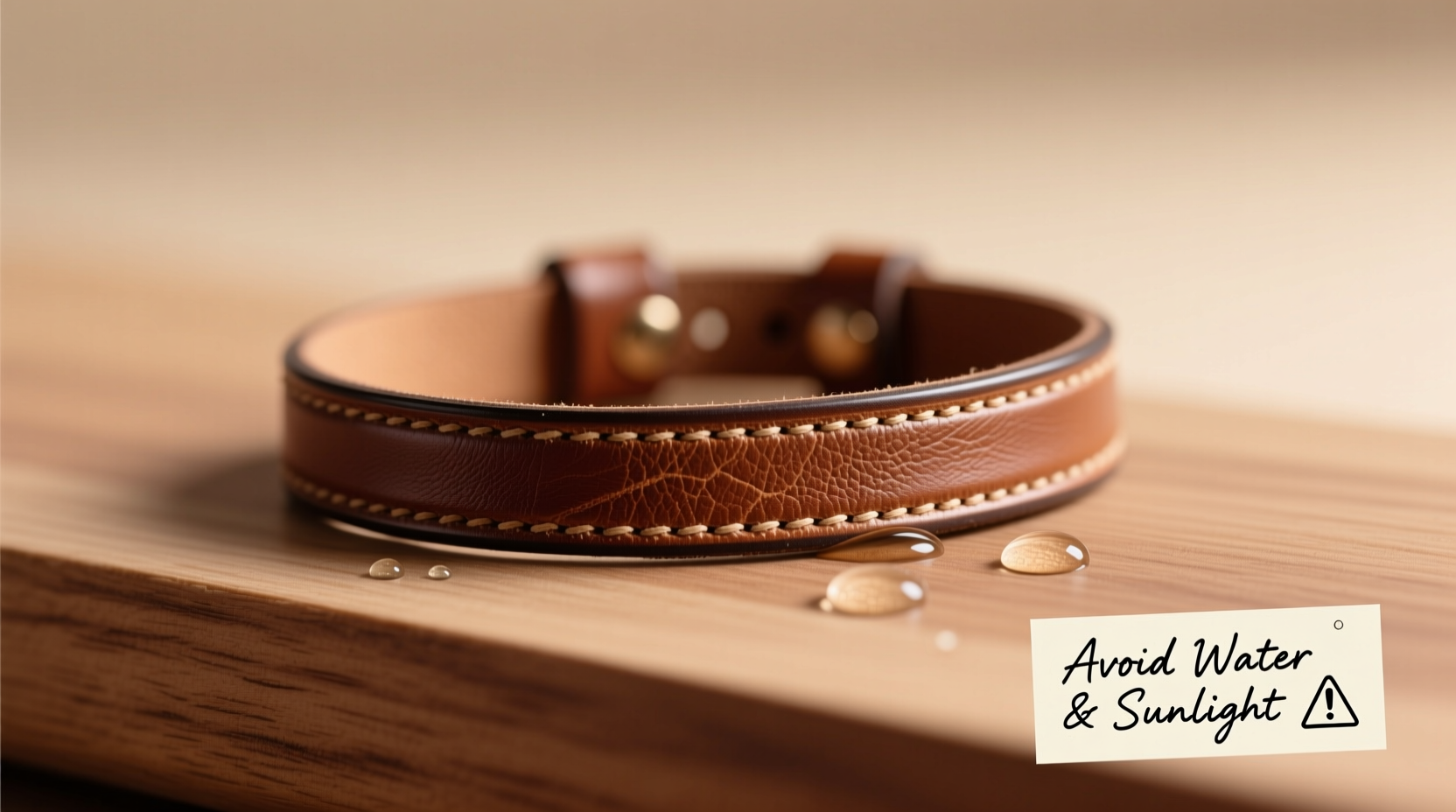
Not all leather is created equal. The way you care for your bracelet depends heavily on the type of leather used. Common varieties include full-grain, top-grain, corrected grain, and suede. Full-grain leather, the highest quality, develops a patina over time and responds well to conditioning. Suede and nubuck, with their textured surfaces, require specialized cleaners and protection sprays to resist water and stains.
Check manufacturer labels or product descriptions to determine your bracelet’s leather type. This knowledge guides your cleaning methods, choice of conditioners, and storage practices. Using the wrong products—like applying a heavy wax conditioner to suede—can cause irreversible damage.
Daily Protection Habits
Prevention is the most effective form of preservation. Simple daily habits significantly extend the life of your leather bracelet. Exposure to water, sweat, perfume, and lotions accelerates wear. Avoid wearing your bracelet while swimming, showering, exercising, or applying skincare products.
Sunlight and heat are equally damaging. UV rays fade colors and dry out leather fibers, making them brittle. Never leave your bracelet on a windowsill, in a hot car, or under direct sunlight for extended periods. Similarly, avoid placing it near radiators or heating vents.
Rotate your accessories regularly. Constant wear without rest periods prevents the leather from breathing and recovering from minor stresses. Giving your bracelet a day off between wears reduces cumulative strain and helps maintain its shape.
“Leather needs to breathe as much as we do. Continuous exposure to moisture and friction without recovery leads to premature aging.” — Daniel Reeves, Artisan Leather Craftsman
Step-by-Step Cleaning Routine
Cleaning should be done gently and infrequently—over-cleaning strips natural oils and weakens fibers. Follow this timeline-based approach for optimal results:
- Weekly Inspection (3 minutes): Examine the bracelet for dirt buildup, discoloration, or stiffness. Wipe lightly with a dry microfiber cloth to remove surface dust.
- Monthly Cleaning (10–15 minutes): Dampen a soft cloth with distilled water only. Gently wipe the surface in one direction. Do not soak. Allow to air dry naturally, away from heat sources.
- Quarterly Deep Care (20 minutes): After cleaning, apply a pea-sized amount of leather conditioner suitable for your leather type. Use fingers or a lint-free cloth to massage it in evenly. Let absorb for 1–2 hours, then buff lightly.
- Annual Assessment: Evaluate overall condition. If fading or cracking appears, consider professional restoration or protective re-treatment.
Proper Storage Solutions
How you store your leather bracelet when not in use is just as important as how you wear it. Poor storage leads to creasing, warping, and mold growth. Always store in a cool, dry place with stable humidity levels—ideally between 40% and 50%. Avoid plastic bags, which trap moisture and encourage mildew.
Use breathable fabric pouches or lined jewelry boxes. If storing multiple pieces, keep them separated to prevent scratching. For bracelets with metal elements like buckles or clasps, ensure these don’t press into the leather over time, which can leave permanent indentations.
| Storage Method | Recommended? | Why |
|---|---|---|
| Cloth Pouch | Yes | Allows airflow, protects from dust and light |
| Plastic Zip Bag | No | Traps moisture, promotes mold |
| Open Drawer | With caution | Only if drawer is dry and free from humidity |
| Jewelry Box with Lining | Yes | Protects shape and finish, controls environment |
Avoid Common Mistakes: Do’s and Don’ts
Even well-intentioned care can backfire if based on myths or misinformation. Below is a clear guide to help you steer clear of harmful practices.
| Do’s | Don’ts |
|---|---|
| Wipe with a dry microfiber cloth regularly | Never submerge in water |
| Condition every 3–4 months | Avoid silicone-based polishes |
| Store flat or loosely coiled | Don’t fold sharply or crimp |
| Use pH-balanced leather cleaners | Don’t use household detergents |
| Keep away from perfumes and lotions | Never dry with a hairdryer or heater |
Real-Life Example: A Recovered Heirloom Bracelet
Mark inherited a vintage brown leather bracelet from his grandfather, complete with a brass clasp engraved with initials. Initially excited, he wore it daily—even during morning jogs and weekend pool parties. Within six months, the leather had darkened unevenly, developed surface cracks, and began peeling near the clasp.
He consulted a local leather artisan who diagnosed the issue: repeated exposure to sweat and chlorine had broken down the fibers, while lack of conditioning left the leather dehydrated. The artisan cleaned it with a glycerin-based solution, applied a beeswax conditioner, and advised Mark on proper rotation and storage. After three months of careful treatment, the bracelet regained its luster and flexibility. Mark now rotates it with other accessories and never wears it during physical activity. It remains a cherished piece, looking better than it had in decades.
Essential Maintenance Checklist
Keep this checklist handy for routine care:
- ☐ Inspect weekly for dirt, stiffness, or discoloration
- ☐ Wipe with a dry microfiber cloth after each wear
- ☐ Clean monthly with a slightly damp cloth (distilled water only)
- ☐ Condition every 3–4 months using appropriate product
- ☐ Store in a breathable fabric pouch away from sunlight
- ☐ Avoid contact with water, perfume, and lotions
- ☐ Rotate with other accessories to reduce wear
- ☐ Check annually for signs of deep cracking or metal corrosion
Frequently Asked Questions
Can I wear my leather bracelet in the rain?
No. Even brief exposure to rain can cause water spots, stiffening, and long-term fiber damage. If it gets wet accidentally, blot dry immediately with a soft cloth and let it air dry at room temperature—never apply heat.
How do I remove sweat stains from leather?
Gently dab the area with a cloth dampened with distilled water. Avoid rubbing. Once dry, apply a small amount of leather conditioner to restore moisture. For persistent stains, consult a professional leather cleaner.
Is it normal for leather to darken over time?
Yes, especially with oils from skin and exposure to light. This is part of developing a patina. However, sudden or patchy darkening may indicate trapped moisture or residue from lotions. Regular cleaning and proper storage minimize uneven aging.
Preserve the Legacy of Your Leather Bracelet
Your leather bracelet is more than an accessory—it’s a living piece of craftsmanship that evolves with you. With mindful handling, consistent care, and informed choices, you can protect its beauty and structural integrity for years to come. Whether it’s a bold fashion statement or a sentimental keepsake, treating it with respect ensures it continues to tell your story. Start implementing these habits today: clean gently, store wisely, and wear thoughtfully.




 浙公网安备
33010002000092号
浙公网安备
33010002000092号 浙B2-20120091-4
Comments
No comments yet. Why don't you start the discussion?