
Hiking shoes are a significant investment in both comfort and safety on the trail. Whether you're navigating rocky ridgelines, muddy forest paths, or desert switchbacks, your footwear takes a beating. Yet many hikers overlook the importance of routine maintenance—until the midsole cracks, the tread wears down, or the upper begins to delaminate. With proper care, hiking shoes can last for hundreds of miles beyond their expected lifespan, delivering consistent support, grip, and protection. The key lies not in occasional deep cleaning but in a consistent, informed maintenance routine that respects the materials and construction of modern hiking footwear.
Understand Your Hiking Shoe Materials
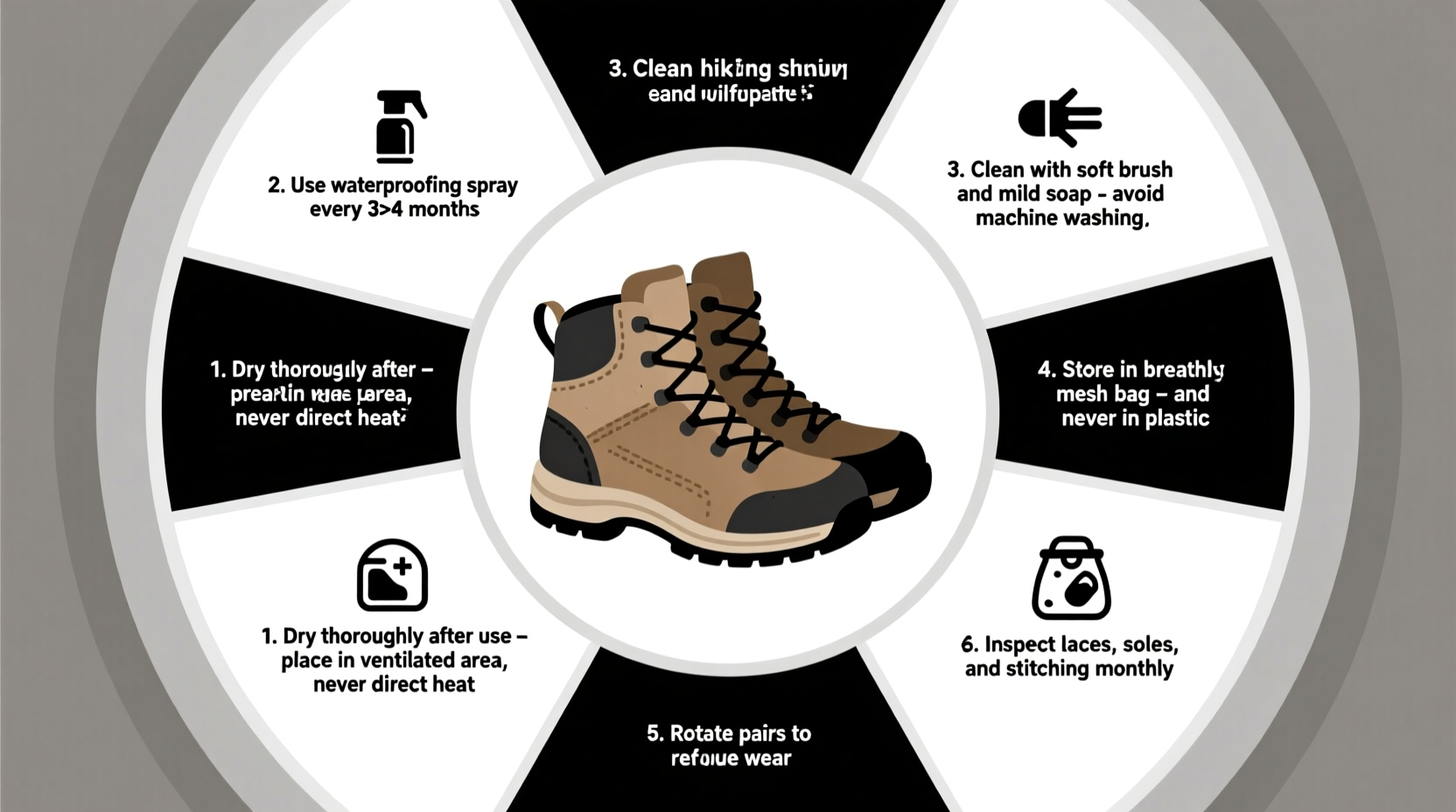
Before diving into cleaning and storage, it's essential to know what your shoes are made of. Most hiking shoes combine multiple materials, each requiring specific care:
- Nubuck or full-grain leather: Durable and water-resistant when treated, but prone to drying out if neglected.
- Synthetic mesh (e.g., nylon, polyester): Lightweight and breathable but susceptible to abrasion and moisture retention.
- EVA or polyurethane midsoles: Provide cushioning; degrade over time due to compression and UV exposure.
- Vibram or rubber outsoles: Offer traction but wear unevenly under heavy use or improper terrain.
- Bonded seams and adhesives: Critical for structural integrity; weakened by heat, moisture, and aggressive cleaning.
Cleaning methods that work for one material may damage another. For example, soaking synthetic uppers can compromise glue bonds, while harsh solvents strip natural oils from leather. Always consult the manufacturer’s care guide before applying any product.
Immediate Post-Hike Care Routine
The first 30 minutes after a hike are critical for preserving shoe longevity. Immediate attention prevents dirt buildup, odor development, and material degradation.
- Remove debris: Use a soft brush or cloth to wipe off mud, gravel, and plant matter. Pay special attention to lugs and between the midsole and outsole.
- Loosen laces and remove insoles: This allows air circulation and speeds drying. Insoles should be cleaned separately with mild soap and air-dried.
- Air-dry naturally: Place shoes in a well-ventilated area at room temperature. Never use direct heat sources like radiators, hairdryers, or sunlight, as they warp soles and crack adhesives.
- Rotate footwear: Avoid wearing the same pair two days in a row. Rotation gives materials time to decompress and dry fully.
Drying too quickly causes fibers to contract and adhesives to fail. A study by the Outdoor Gear Lab found that shoes dried near heat sources showed 40% faster sole delamination compared to those air-dried indoors.
Deep Cleaning: What Works and What Doesn’t
Deep clean every 2–3 months or after particularly muddy or wet hikes. Follow this step-by-step process:
- Remove laces and insoles. Soak laces in warm, soapy water.
- Use a soft-bristle brush and lukewarm water with a specialized cleaner (e.g., Nikwax Footwear Cleaning Gel).
- Gently scrub the upper, midsole, and outsole. Avoid high-pressure sprayers.
- Rinse with clean water—do not submerge.
- Stuff with crumpled paper or a shoe tree to maintain shape during drying.
- Air-dry for 24–48 hours away from direct heat.
| Action | Do | Don’t |
|---|---|---|
| Cleaning Solution | pH-neutral cleaner designed for footwear | Household detergents or bleach |
| Drying Method | Room-temperature airflow | Oven, dryer, or car dashboard |
| Brush Type | Soft nylon or horsehair brush | Wire brush or abrasive pad |
| Water Exposure | Light dampening, not soaking | Submerging in water |
“Improper cleaning is the number one cause of premature hiking shoe failure. Many people think they’re being thorough by soaking and scrubbing hard, but they’re actually breaking down the glue and fibers.” — Dr. Lena Torres, Footwear Materials Scientist, Alpine Research Institute
Waterproofing and Re-Treatment
If your hiking shoes have a waterproof membrane (e.g., Gore-Tex, eVent), the outer layer still needs periodic re-treatment to maintain breathability and water resistance. The Durable Water Repellent (DWR) coating wears off over time, causing the upper to “wet out,” which makes shoes feel heavy and cold.
Reapply DWR every 3–4 deep cleans or when water stops beading on the surface:
- Clean shoes thoroughly first—dirt blocks treatment absorption.
- Apply a spray-on or wash-in DWR treatment (e.g., Nikwax TX.Direct, Grangers Performance Repel).
- Tumble dry on low heat for 20 minutes to activate the repellent (if manufacturer allows).
Storage Best Practices for Long-Term Durability
How you store your hiking shoes when not in use affects their structural integrity. Poor storage leads to cracked midsoles, mold growth, and warped shapes.
Follow these guidelines:
- Store in a cool, dry place with stable temperatures (ideally 50–70°F).
- Keep away from basements or garages where humidity fluctuates.
- Place in a breathable cotton bag or old pillowcase—never plastic, which traps moisture.
- Avoid stacking heavy items on top, which compresses the midsole permanently.
- Insert cedar shoe trees or crumpled paper to absorb residual moisture and maintain shape.
Long-term storage (over 30 days) benefits from a light application of conditioner for leather components. However, avoid oil-based products on synthetic uppers.
Real-World Example: Sarah’s 800-Mile Appalachian Trail Journey
Sarah, an experienced thru-hiker, completed the Appalachian Trail in 2022 with only one pair of hiking shoes—remarkable given the average hiker goes through 2–3 pairs. Her secret? A meticulous care routine.
Each night at camp, she brushed off mud, removed insoles, and aired her shoes inside her tent. Every two weeks, she gave them a full clean using biodegradable soap. She reapplied DWR three times during the journey and stored them in a mesh sack when not in use. By avoiding river crossings and minimizing downhill pounding, she reduced mechanical wear. At the end of her trek, her shoes showed minimal sole wear and no delamination.
“People thought I was crazy for carrying a small brush and cleaning wipes,” Sarah said. “But my feet stayed healthy, and my shoes lasted. It wasn’t luck—it was consistency.”
Comprehensive Maintenance Checklist
Stay on track with this actionable checklist:
- ✅ Remove debris after every hike
- ✅ Air-dry thoroughly before storing
- ✅ Clean deeply every 2–3 months
- ✅ Reapply DWR when water no longer beads
- ✅ Rotate between multiple pairs if hiking frequently
- ✅ Store in a breathable container, away from heat and sunlight
- ✅ Inspect monthly for loose stitching, worn treads, or midsole cracks
- ✅ Replace insoles annually or when compressed
Frequently Asked Questions
Can I machine-wash my hiking shoes?
No. Washing machines agitate shoes violently, weakening adhesives and distorting the structure. Hand-cleaning is always safer and more effective.
How do I know when it’s time to replace my hiking shoes?
Look for: loss of cushioning, visible midsole compression, uneven tread wear, persistent foot fatigue, or water seeping through despite re-treatment. Even if the upper looks fine, compromised midsoles increase injury risk.
Is it worth repairing hiking shoes?
Yes, for high-quality models. Resoling services (e.g., via Vibram-certified cobbler) can extend life by another 300–500 miles. However, repairs aren’t viable if the upper is delaminated or the midsole is broken down.
Final Thoughts: Make Care a Habit, Not a Chore
Maintaining hiking shoes doesn’t require expensive tools or hours of effort. It requires consistency and attention to detail. Just as you train your body for the trail, train yourself to care for your gear. A few minutes after each hike can double the lifespan of your footwear, save money, and enhance performance. Think of shoe maintenance as part of your outdoor ritual—like packing your water filter or checking the weather. When your shoes perform better, so do you.




 浙公网安备
33010002000092号
浙公网安备
33010002000092号 浙B2-20120091-4
Comments
No comments yet. Why don't you start the discussion?