
Diatomaceous earth bath mats have gained popularity for their natural moisture-wicking properties, antimicrobial benefits, and eco-friendly composition. Made from fossilized aquatic organisms, these mats absorb water quickly, inhibit bacterial growth, and dry rapidly—making them ideal for bathrooms. However, like any functional home product, they require proper care to maintain hygiene and extend their lifespan. Without routine maintenance, they can accumulate soap scum, mildew, and debris, diminishing both performance and appearance.
Unlike traditional fabric or rubber mats, diatomaceous earth mats are porous and mineral-based, meaning standard cleaning methods don’t always apply. Improper handling can lead to cracking, staining, or reduced absorbency. This guide provides practical, science-backed strategies to keep your mat clean, safe, and effective for years.
Understanding Diatomaceous Earth Bath Mats
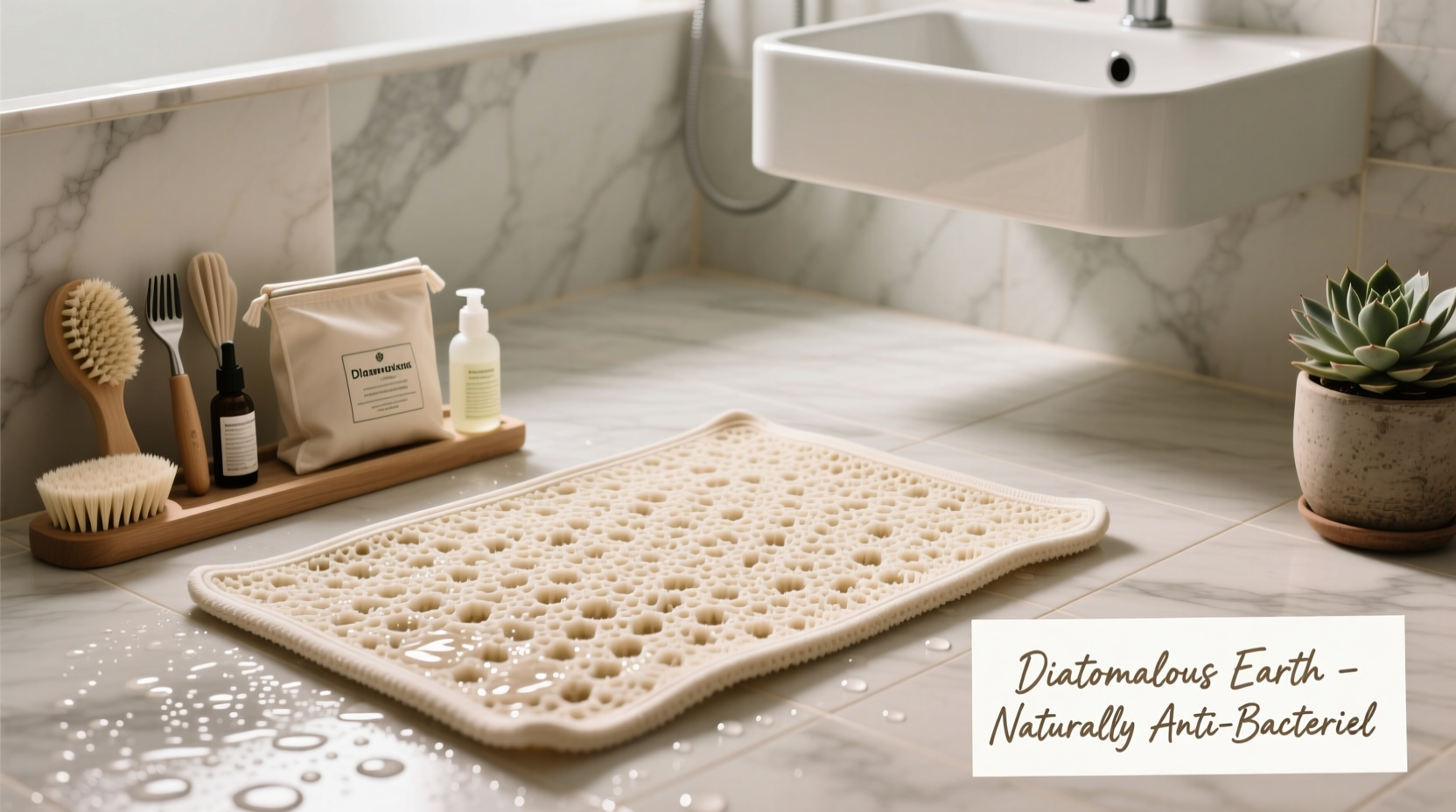
Diatomaceous earth (DE) is a naturally occurring, soft sedimentary rock composed of the fossilized remains of diatoms—microscopic algae with silica shells. When processed into a fine powder and compressed into a mat, it forms a highly porous, rigid surface that pulls moisture away from contact points through capillary action. The material’s open-cell structure allows rapid evaporation, reducing standing water and discouraging microbial colonization.
Because DE is inert and non-toxic, these mats are often marketed as mold-resistant and hypoallergenic. However, this doesn’t mean they’re maintenance-free. Over time, body oils, soap residue, hard water minerals, and dead skin cells can clog pores, slowing absorption and creating odor traps. Proper upkeep ensures the mat continues to perform at peak efficiency.
“Diatomaceous earth is excellent for moisture control, but its effectiveness depends on keeping the surface free of organic buildup.” — Dr. Lena Torres, Microbiologist & Indoor Air Quality Specialist
Step-by-Step Cleaning Routine
To preserve both hygiene and structural integrity, follow this weekly cleaning protocol:
- Remove and Shake Out Debris: Lift the mat and carry it outside or over a trash can. Firmly shake it to dislodge hair, dust, and loose particles. This prevents grime from being pushed deeper during cleaning.
- Rinse Thoroughly with Water: Use a sink or outdoor hose to rinse both sides under lukewarm water. Avoid high-pressure sprays, which may erode the surface over time.
- Scrub Gently with a Soft Brush: Dip a non-metallic scrub brush (such as a dish brush or toothbrush) in water and lightly scrub the surface in circular motions. Focus on stained or frequently stepped areas.
- Air-Dry Completely: Place the mat upright or on its edge in a well-ventilated area with direct sunlight if possible. Never lay it flat on a wet surface or store it while damp.
- Reposition After Drying: Once fully dry (typically within 4–6 hours), return it to the bathroom. Ensure it sits on a non-porous, elevated surface if possible to promote airflow underneath.
Do’s and Don’ts for Long-Term Care
| Do’s | Don’ts |
|---|---|
| Use only water or mild vinegar solution (1:3 ratio with water) | Never use bleach, ammonia, or abrasive cleaners |
| Dry vertically or on edge to maximize airflow | Avoid placing on carpeted or moisture-trapping surfaces |
| Expose to sunlight occasionally to sanitize and deodorize | Don’t soak for extended periods—limit immersion to rinsing |
| Rotate position monthly to ensure even wear | Never machine wash or tumble dry |
| Inspect monthly for cracks or erosion | Don’t use sharp tools to remove stuck-on debris |
Preventing Common Issues: Mold, Odor, and Cracking
Even with regular use, problems can arise if environmental conditions aren’t managed. Here’s how to address three frequent concerns:
- Mold Spots: If you notice dark specks or fuzzy patches, mix equal parts white vinegar and water. Spray lightly on affected areas and let sit for 10 minutes before rinsing. Sun-dry afterward. Vinegar’s acetic acid disrupts fungal cell membranes without damaging DE.
- Unpleasant Odors: Baking soda can be used monthly for deodorizing. Sprinkle a light layer over the surface, wait 15 minutes, then rinse thoroughly. Do not leave baking soda on for extended periods, as prolonged alkalinity may degrade binding agents in some composite mats.
- Surface Cracking: Cracks usually result from thermal shock or improper drying. Always avoid sudden temperature changes—don’t move a cold mat into hot steamy rooms. Also, never place near heaters or radiators. Small cracks may be sealed with food-grade silica sealant, but widespread fissures indicate replacement is needed.
Mini Case Study: A High-Use Household Mat
In a family of four using a single DE bath mat daily, the owners noticed reduced absorbency after six weeks. They had been laying the mat flat on a tile floor post-shower, allowing moisture to pool underneath. After switching to an angled drying rack and introducing biweekly vinegar rinses, the mat regained full functionality. By month three, no mold appeared, and the surface remained intact. This demonstrates how small behavioral adjustments significantly impact durability.
Essential Maintenance Checklist
Stay on track with this printable-style checklist:
- ✅ Shake out debris weekly
- ✅ Rinse with water every 7 days
- ✅ Deep clean with vinegar solution monthly
- ✅ Inspect for cracks or erosion monthly
- ✅ Rotate placement in bathroom every 30 days
- ✅ Dry upright or on edge after each use
- ✅ Expose to direct sunlight once per month
- ✅ Replace if deep cracks appear or absorbency drops permanently
Frequently Asked Questions
Can I use soap to clean my diatomaceous earth bath mat?
No. Most soaps contain oils, fragrances, and surfactants that can clog the porous surface and attract more dirt over time. Stick to plain water or diluted vinegar for cleaning.
How long should a diatomaceous earth bath mat last?
With proper care, most quality DE mats last 12 to 18 months. Signs it's time to replace include persistent odor, visible crumbling, or inability to dry within 8 hours after use.
Is it safe for pets or children?
Yes. Food-grade diatomaceous earth is non-toxic and commonly used in pest control and supplements. However, avoid letting young children handle broken pieces, as small shards could pose a minor ingestion risk.
Final Thoughts and Call to Action
Your diatomaceous earth bath mat is more than just a stylish addition—it’s a functional tool designed to improve bathroom hygiene and reduce moisture-related hazards. But its benefits only last when supported by consistent, informed care. Simple habits like upright drying, weekly rinsing, and avoiding harsh chemicals make a measurable difference in performance and lifespan.
Take a moment today to inspect your mat. Is it drying properly? When was the last deep clean? Small improvements now can extend its usefulness by months. Share your own tips or experiences in the comments—your insight might help another homeowner protect their investment and enjoy a cleaner, safer bathroom environment.




 浙公网安备
33010002000092号
浙公网安备
33010002000092号 浙B2-20120091-4
Comments
No comments yet. Why don't you start the discussion?