
A crocodile pattern bag is more than an accessory—it's a statement of refined taste and timeless style. Whether crafted from genuine exotic leather or high-quality embossed synthetic material, this type of bag demands special attention to preserve its texture, shape, and luster. With proper care, a well-maintained crocodile pattern bag can remain a centerpiece in your wardrobe for decades. However, neglect—even minor oversights—can lead to cracking, fading, or irreversible damage. This guide delivers actionable, expert-backed strategies to help you protect your investment and keep your bag looking pristine.
Understand Your Bag’s Material Composition
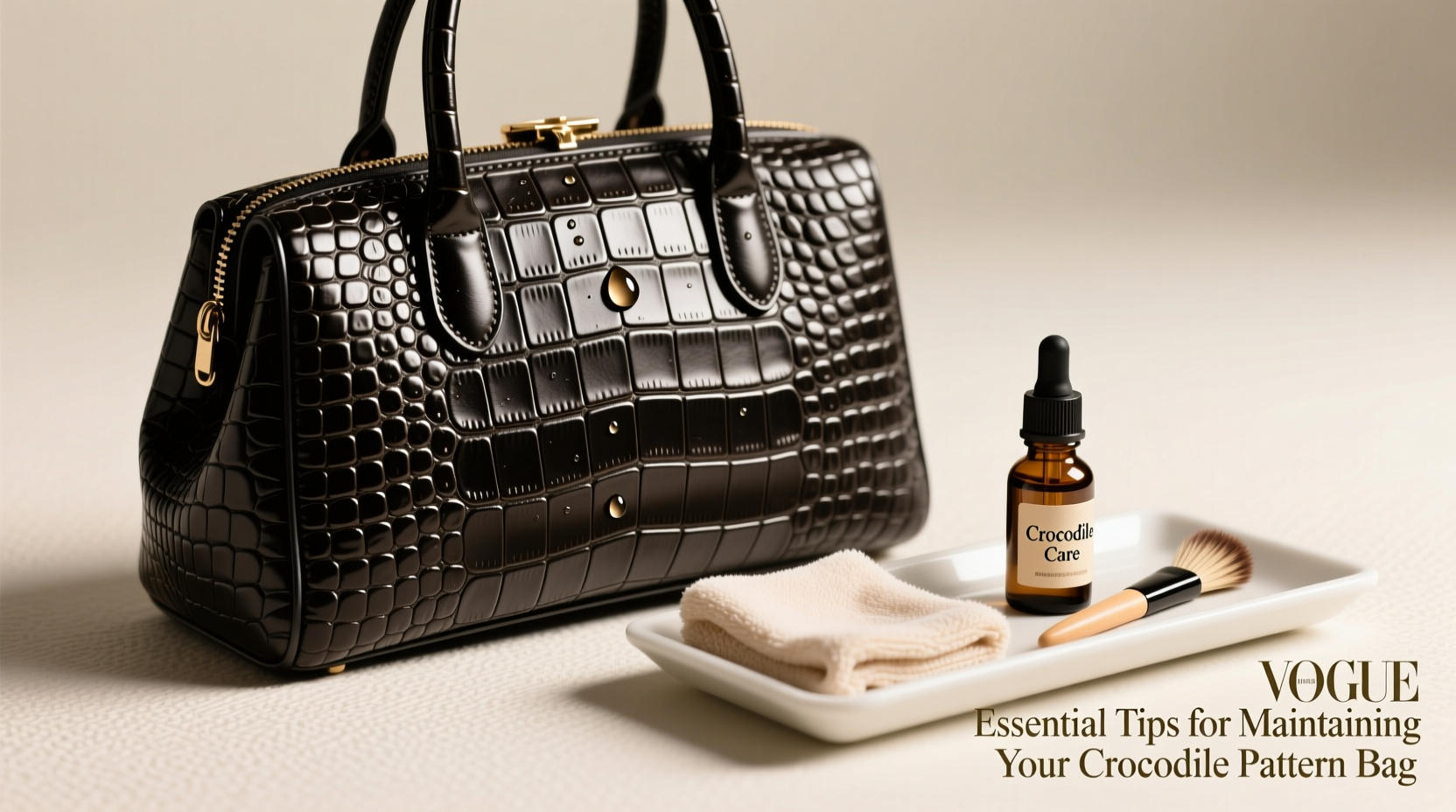
Before applying any cleaning method or storage solution, identify whether your bag is made from real crocodile leather, corrected-grain leather with a printed pattern, or a synthetic alternative like PU or vegan leather. Each material responds differently to moisture, heat, and cleaning agents.
Genuine crocodile leather is porous and sensitive to environmental changes. It requires conditioning to prevent drying and cracking. In contrast, synthetic versions are more resistant to water but prone to peeling if exposed to excessive friction or low-quality cleaners. Knowing what you own determines how you should care for it.
“Misidentifying the material is the most common mistake people make. Using a leather balm on faux leather can cause sticky residue and surface degradation.” — Lena Torres, Luxury Accessory Conservator at The Heritage Atelier
Daily Handling and Usage Best Practices
How you use your bag every day significantly impacts its lifespan. Even the finest craftsmanship cannot withstand constant overloading, rough surfaces, or exposure to sharp objects.
- Avoid overstuffing: Overfilling distorts the bag’s structure and stresses the seams, especially around the gussets and handles.
- Rotate usage: Regularly switching between bags allows each one time to “rest,” reducing wear and preventing permanent creasing.
- Keep away from abrasive surfaces: Marble counters, brick walls, and even coarse denim can scratch the textured finish.
- Protect hardware: Metal zippers, clasps, and studs can tarnish or chip. Wipe them gently with a dry microfiber cloth after use.
Be mindful of where you place your bag. Never set it directly on bathroom floors, kitchen counters, or public restroom hooks. Use a portable bag stand or lined tote when traveling to maintain cleanliness and structure.
Step-by-Step Cleaning Routine
Cleaning should be gentle, infrequent, and tailored to your bag’s material. A consistent routine prevents buildup without stripping essential oils or finishes.
- Dust removal (weekly): Use a soft, dry microfiber cloth to wipe down the exterior and interior. Pay attention to the grooves of the crocodile pattern where dust accumulates.
- Spot cleaning (as needed): For minor stains, dampen a corner of the cloth with distilled water and lightly dab—never rub—the affected area. For leather, use a pH-balanced cleaner designed for exotics.
- Deep cleaning (every 3–6 months): Only perform this if necessary. For genuine leather, apply a specialized conditioner after cleaning to restore moisture. Avoid soaking or submerging the bag.
- Interior maintenance: Empty the bag completely. Vacuum loose debris with a handheld nozzle wrapped in cheesecloth. Wipe fabric linings with a slightly damp cloth; leather interiors benefit from a gentle wipe and air-drying.
- Drying: Always air-dry naturally at room temperature, away from direct sunlight or heaters. Never use a hairdryer or fan at high speed.
Proper Storage Techniques
Improper storage is the silent killer of luxury bags. Heat, humidity, and poor support can warp shape, encourage mold, and dull finishes.
| Material Type | Recommended Storage | To Avoid |
|---|---|---|
| Genuine Crocodile Leather | In a breathable cotton dust bag, stuffed with acid-free tissue, in a cool, dark closet | Plastic bins, cedar closets (too drying), direct light |
| Embossed Leather | On a shelf with light stuffing, inside a soft pouch | Folding, stacking heavy items on top |
| Synthetic Croc Pattern | Upright position, away from heat sources | Enclosed plastic containers (traps moisture) |
Always stuff your bag with clean, unscented tissue paper or soft scarves to maintain its form. Avoid newspaper—ink can transfer. Store in a climate-stable environment with moderate humidity (40–50%). If you live in a humid region, consider using silica gel packs nearby—but not inside the bag—to reduce moisture without overdrying.
Common Mistakes and Real-World Consequences
Even well-intentioned owners make errors that compromise their bag’s integrity. Consider the case of Sarah M., a fashion editor in Chicago, who loved her navy crocodile clutch but stored it in a sealed plastic bin during summer. By fall, she discovered faint white blooms on the surface—mold caused by trapped humidity. Despite professional restoration, the finish never fully recovered.
This scenario underscores a critical truth: luxury accessories breathe. Sealing them in non-porous materials disrupts natural moisture balance. Other frequent missteps include:
- Using shoe polish to “refresh” dark tones (causes discoloration and clogging of pores).
- Leaving the bag in a car overnight (extreme temperatures warp structure).
- Ignoring minor scratches, assuming they’ll fade (they often deepen over time).
“Prevention is always cheaper and more effective than restoration. A $20 dust bag can save you hundreds in repair costs.” — Julian Reed, Head of Client Services at LuxeCare Restoration
Maintenance Checklist
Stay proactive with this monthly maintenance checklist:
- ✅ Wipe down exterior with a dry microfiber cloth
- ✅ Inspect stitching and hardware for looseness or corrosion
- ✅ Re-stuff with fresh tissue to maintain shape
- ✅ Rotate out of regular use for at least 48 hours
- ✅ Check storage conditions: no leaks, odors, or pests nearby
- ✅ Condition genuine leather every 3–4 months (use sparingly)
Frequently Asked Questions
Can I use a regular leather conditioner on my crocodile pattern bag?
Only if it’s confirmed to be genuine crocodile or exotic leather. Use conditioners specifically formulated for exotics—standard formulas may be too greasy or contain alcohols that damage the finish. Test on an inconspicuous spot first.
What should I do if my bag gets wet?
Blot immediately with a clean, absorbent cloth. Let it air-dry at room temperature, away from heat. Do not wipe aggressively. For genuine leather, once dry, apply a small amount of protector cream to replenish oils. Avoid using waterproof sprays unless recommended by the manufacturer.
How often should I have my bag professionally cleaned?
Every 12 to 18 months for frequently used bags. Less-used pieces may go 2–3 years. Professionals can deep-clean, recondition, and address micro-damage before it becomes visible.
Conclusion: Care That Reflects Your Taste
Your crocodile pattern bag reflects more than style—it speaks to your appreciation for craftsmanship and detail. Treating it with consistent, informed care ensures it remains a symbol of elegance for years to come. From mindful handling to intelligent storage, every small action compounds into lasting beauty. These habits don’t just extend life—they honor the artistry behind the design.




 浙公网安备
33010002000092号
浙公网安备
33010002000092号 浙B2-20120091-4
Comments
No comments yet. Why don't you start the discussion?