
A quartz chronograph watch combines precision engineering with functional elegance. Unlike standard timepieces, it features a stopwatch function powered by a battery-operated quartz movement, delivering high accuracy with minimal drift. However, even the most advanced technology requires proper care. Without consistent maintenance, dust, moisture, and mechanical strain can degrade performance over time. Whether you wear your chronograph daily or reserve it for special occasions, understanding how to maintain it ensures reliable operation and extends its lifespan far beyond expectations.
Understand Your Watch’s Design and Functionality
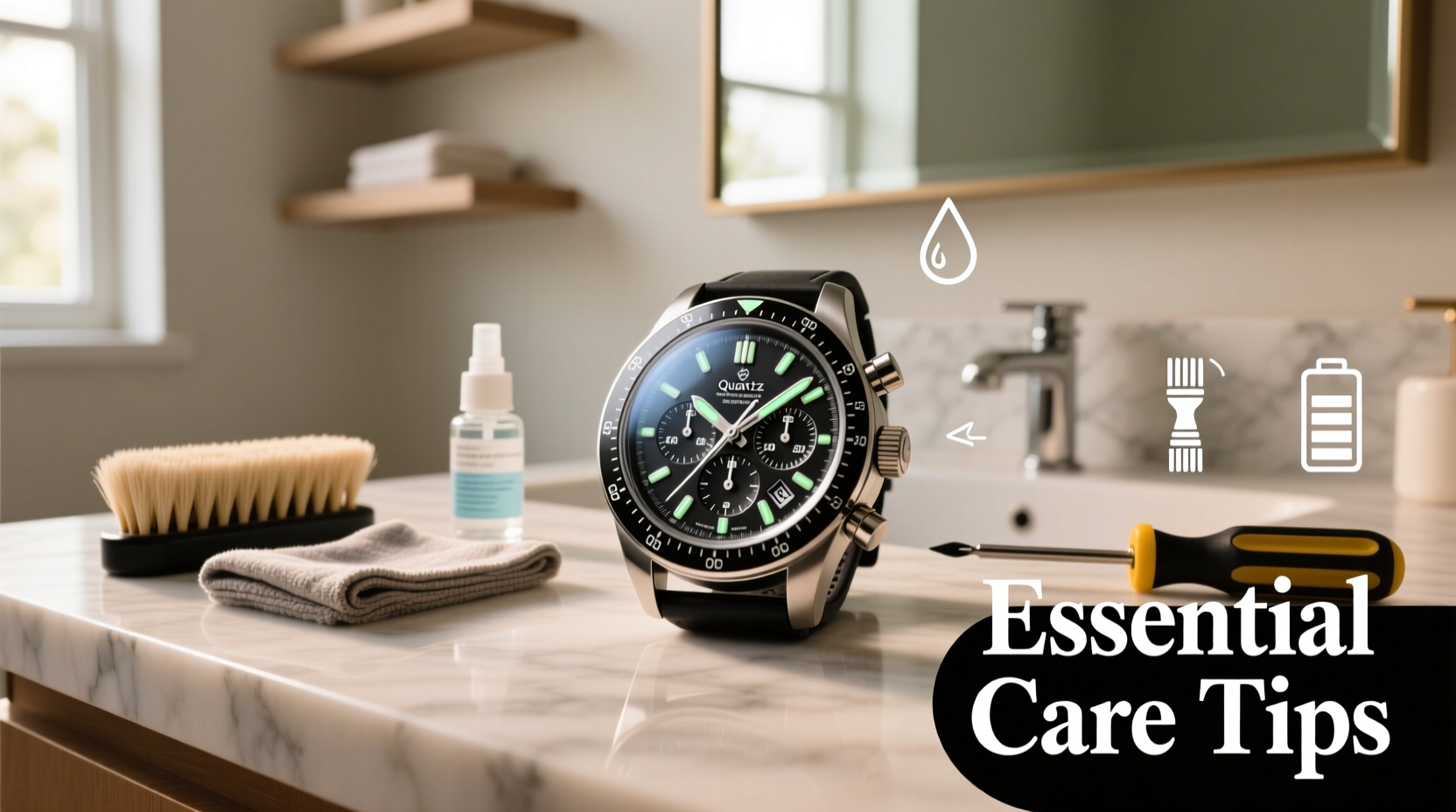
Before diving into maintenance, it's crucial to understand what sets a quartz chronograph apart. The chronograph mechanism allows you to measure elapsed time using subdials and pushers on the side of the case. While the primary timekeeping is regulated by a quartz crystal oscillating at 32,768 Hz—ensuring exceptional accuracy—the added complexity of the stopwatch function introduces more moving parts than a basic quartz watch.
Because these components are sensitive to moisture, shock, and prolonged inactivity, they demand more attention. For instance, pressing the start/stop buttons while underwater—even on a water-resistant model—can force water past seals due to pressure changes. Similarly, leaving the chronograph running continuously drains the battery faster and may cause overheating in rare cases.
“Many people treat their chronograph like a regular watch, but the additional functions require mindful use. A few seconds of neglect can lead to long-term issues.” — Daniel Reeves, Master Watch Technician at Precision Timeworks
Daily Care and Cleaning Practices
Everyday exposure to sweat, dust, and cosmetics gradually degrades both appearance and functionality. Skin oils and perspiration can corrode metal finishes and deteriorate gaskets over time. To prevent buildup:
- Wipe your watch weekly with a soft, lint-free cloth.
- After swimming or heavy sweating, rinse the case and bracelet (if suitable) under lukewarm running water—avoiding direct spray on the crown or pushers.
- Dry thoroughly with a clean microfiber towel.
- Never use chemical cleaners, alcohol wipes, or ultrasonic baths unless specified by the manufacturer.
For leather straps, rotate usage and condition them every 2–3 months with a pH-neutral conditioner. Canvas or nylon straps should be hand-washed occasionally and air-dried flat.
| Care Step | Recommended Frequency | Tools Needed |
|---|---|---|
| Surface Wipe Down | Weekly | Microfiber cloth |
| Deep Clean (case & metal band) | Every 6 months | Mild soap, soft brush, water |
| Gasket Inspection | Annually | Professional service |
| Battery Check | Every 1.5–2 years | Watchmaker |
Protect Against Environmental Damage
Quartz movements are resilient but not invincible. Three environmental factors pose the greatest threat: moisture, temperature extremes, and magnetism.
Even if your watch is rated at 100m water resistance, that doesn’t mean it’s suitable for diving or hot showers. Heat expands metal and rubber, compromising gaskets temporarily. Steam from a shower can penetrate microscopic gaps, leading to condensation inside the crystal—a clear sign of seal failure.
Similarly, extreme cold slows down electrical conductivity in the circuit board, potentially causing intermittent display issues or delayed responses from the chronograph. And while quartz watches are less vulnerable to magnetism than mechanical ones, strong magnetic fields near speakers, MRI machines, or magnetic clasps can still interfere with timing accuracy.
Mini Case Study: The Weekend Diver Who Didn’t Read the Manual
James, an avid weekend snorkeler, bought a mid-range quartz chronograph advertised as “water-resistant to 200 meters.” Confident in its capabilities, he used the stopwatch function during dives, assuming full waterproof protection. After six months, fog appeared under the crystal. He took it to a technician who explained that while the case could withstand depth, pressing the pushers underwater created pressure differentials that allowed water ingress. The repair cost exceeded $120—easily avoidable with proper knowledge.
This real-world scenario underscores the importance of reading user manuals and respecting operational limits, even when specs seem robust.
Step-by-Step Guide to Annual Maintenance
To keep your chronograph performing flawlessly, follow this annual maintenance routine:
- Inspect the Crown and Pushers: Ensure they screw down properly (if applicable) and show no signs of looseness or resistance.
- Check for Fog or Condensation: If visible under the crystal, stop wearing the watch immediately and consult a professional.
- Test Chronograph Functions: Start, stop, and reset each timer. They should respond crisply without stuttering.
- Schedule a Battery Replacement: Don’t wait for complete failure. Old batteries can leak and damage the movement.
- Professional Servicing: Every 3–5 years, have a certified technician clean the movement, replace seals, and pressure-test water resistance.
“Replacing a $10 battery every two years is cheaper than repairing a $300 circuit board damaged by corrosion.” — Lena Park, Certified Horologist
Storage Best Practices When Not in Use
If you own multiple watches, how you store your chronograph matters. Long-term storage in humid basements or sunlit drawers invites mold, discoloration, and lubricant breakdown.
Store your watch in a cool, dry place away from direct sunlight. Use a padded box or a non-magnetic watch roll. If storing for more than three months, consider removing the battery to prevent leakage risks—especially in vintage or rarely worn models.
For automatic quartz hybrids (like Seiko Kinetic), occasional winding or motion helps preserve capacitor health, though pure battery-powered models don’t require this.
Frequently Asked Questions
How often should I replace the battery in my quartz chronograph?
Most batteries last between 1.5 and 3 years, depending on usage. Frequent use of the chronograph, backlight (on digital models), or alarms shortens life. Replace proactively before it dies to avoid leakage.
Can I swim with my quartz chronograph?
You can, provided it has a minimum 100m water resistance rating and the crown seals properly. However, never operate the pushers underwater, and rinse with fresh water afterward. Avoid saltwater exposure when possible.
Why does my chronograph second hand jump unevenly?
This may indicate low battery voltage or gear misalignment. Have it checked promptly. In some older models, degraded lubricants cause hesitation in the chronograph clutch mechanism.
Final Checklist: Quartz Chronograph Maintenance Routine
- ☑ Wipe down case and band weekly
- ☑ Avoid pressing pushers underwater
- ☑ Replace battery every 2 years (or sooner if display dims)
- ☑ Inspect for fog, scratches, or loose parts monthly
- ☑ Service professionally every 3–5 years
- ☑ Store in a dry, shaded environment
- ☑ Keep manual accessible for reference
Conclusion: Preserve Precision Through Consistent Care
Your quartz chronograph is more than a timekeeper—it's a tool designed for accuracy and utility. With thoughtful handling and regular upkeep, it will deliver dependable performance for decades. Small habits make a big difference: wiping it after wear, avoiding unnecessary button presses, and staying ahead of battery replacements all contribute to long-term reliability.




 浙公网安备
33010002000092号
浙公网安备
33010002000092号 浙B2-20120091-4
Comments
No comments yet. Why don't you start the discussion?