
Tweed is a timeless fabric, revered for its durability, rich texture, and classic appeal. Whether it’s a Harris Tweed from Scotland or a modern interpretation in urban tailoring, a well-maintained tweed coat can last decades. But its resilience doesn’t mean it’s indestructible. Improper care can lead to loss of shape, fraying, shrinkage, and a dull, matted surface. Preserving the integrity of your tweed requires thoughtful handling, proper storage, and an understanding of the fabric’s natural characteristics. With the right approach, you can keep your coat looking sharp, structured, and true to its original character.
Understanding Tweed: Why It Needs Special Care
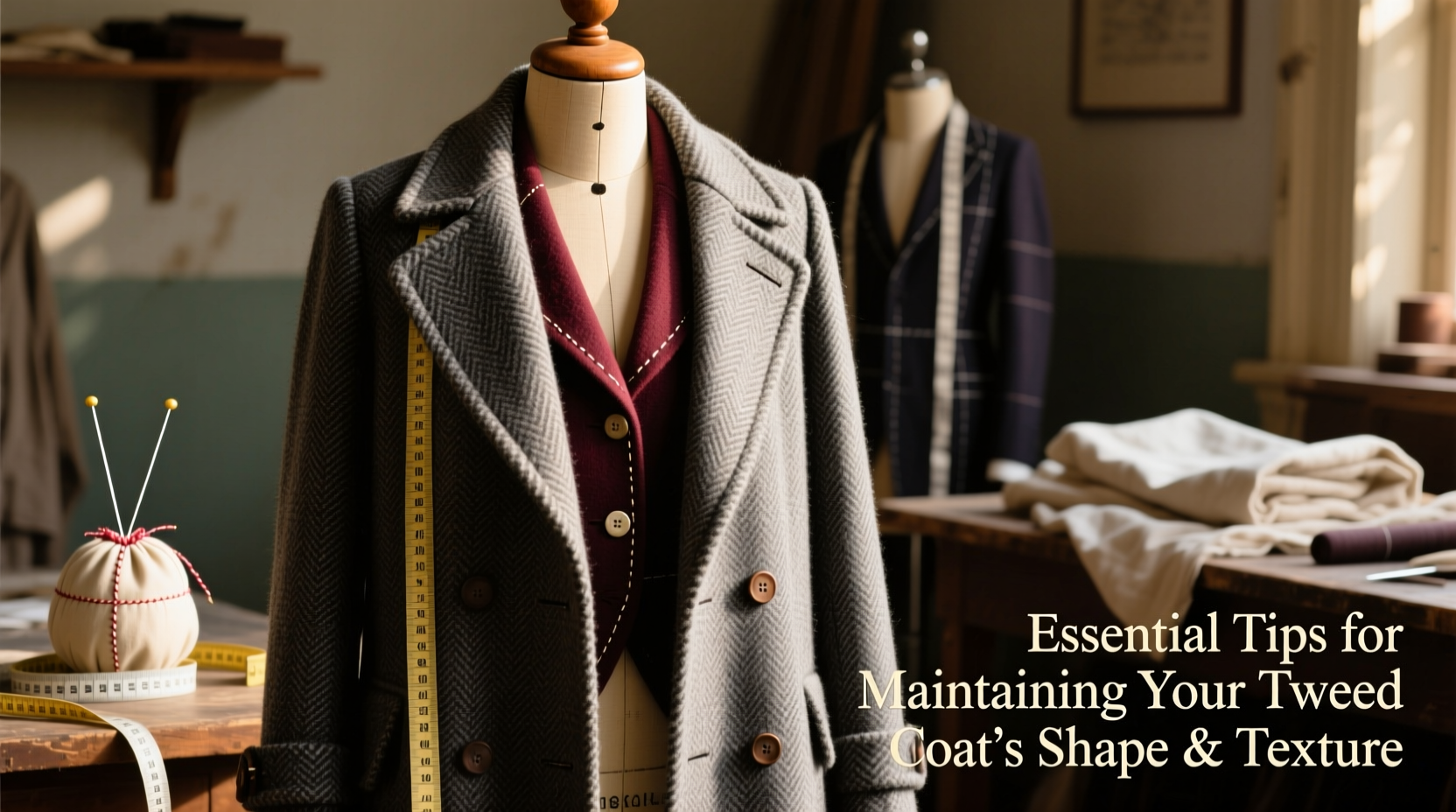
Tweed is typically woven from wool, often with a coarse, open weave that gives it breathability and weather resistance. Its textured surface—whether herringbone, check, or plain twill—is part of its charm, but also makes it susceptible to pilling, moisture absorption, and misshaping if not treated correctly. Unlike synthetic blends, pure wool tweed responds poorly to heat, agitation, and improper drying. The fibers can felt together, causing shrinkage and stiffness. Moreover, the internal canvas and padding in structured coats contribute to silhouette retention; these elements degrade when exposed to moisture or poor storage.
Because tweed is frequently used in tailored outerwear, maintaining its shape isn’t just about aesthetics—it affects fit, drape, and comfort. A sagging shoulder or collapsed lapel undermines even the finest craftsmanship.
“Tweed rewards patience and precision. Rush cleaning or skip maintenance, and you’ll compromise both form and function.” — Julian Hartwell, Bespoke Tailor & Textile Conservator
Step-by-Step Guide to Daily and Seasonal Maintenance
Caring for tweed isn’t complicated, but it does require consistency. Follow this timeline to keep your coat in peak condition year-round.
- After Each Wear: Allow the coat to rest for 24 hours before wearing again. Hang it on a broad, padded wooden hanger to let moisture and odors dissipate naturally.
- Weekly: Use a soft clothes brush (preferably horsehair) to gently remove dust and debris. Always brush in the direction of the nap to avoid damaging fibers.
- Monthly: Inspect for loose threads, stains, or moth signs. Check under collars and inside pockets where grime accumulates.
- End of Season: Clean thoroughly before storing. Never store a dirty coat—residual oils attract moths.
- Annually: Take the coat to a specialist cleaner experienced with wool and tailored garments. Avoid frequent dry cleaning; once per season is sufficient unless soiled.
Do’s and Don’ts: Common Mistakes That Damage Tweed
Missteps in care are often irreversible. This table outlines key practices to adopt—and those to avoid.
| Do | Don’t |
|---|---|
| Brush regularly with a soft-bristle clothes brush | Use a wire brush or aggressive scrubbing motion |
| Store on a wide, shaped wooden hanger | Hang on thin plastic hangers that distort shoulders |
| Spot clean minor stains with damp cloth and mild soap | Soak the garment or machine wash |
| Air out after rain or snow; let dry naturally away from heat | Dry near radiators or use a hairdryer |
| Use cedar blocks or lavender sachets in storage | Rely solely on mothballs—they leave strong odors and residue |
Real Example: How One Collector Preserves a Vintage Tweed Overcoat
Thomas Reed, a vintage menswear collector from Edinburgh, owns a 1950s tweed overcoat passed down from his grandfather. Despite nearly 75 years of age, the coat retains its structure and color depth. His secret? Rigorous but gentle care. “I never wear it two days in a row,” he explains. “After each outing, I hang it in my wardrobe with the door open for ventilation. Every spring, I take it to a heritage textile cleaner who uses lanolin-based solutions to condition the wool.”
He stores the coat in a breathable cotton garment bag with cedar rings and checks it monthly during winter. When light rain soaks the shoulders, he blots with a towel, then lets it air-dry upright for 48 hours. “The lapels still hold their roll, and the elbows haven’t bagged—proof that patience pays.”
Checklist: Essential Tweed Coat Care Routine
- ✔ Use a wooden, padded hanger to maintain shoulder shape
- ✔ Brush lightly once a week with a horsehair brush
- ✔ Air out after every wear—never toss on a chair
- ✔ Spot clean only with cool water and pH-neutral wool soap
- ✔ Dry-clean no more than once per season unless stained
- ✔ Store off-season in a breathable cotton garment bag
- ✔ Place natural repellents like cedar or lavender nearby
- ✔ Inspect quarterly for moths, loose stitching, or wear points
Frequently Asked Questions
Can I steam my tweed coat to remove wrinkles?
Yes, but with caution. Use a garment steamer on low setting, holding it 6–8 inches from the fabric. Never apply direct heat or press with an iron. Excessive steam can flatten the texture and cause felting. For deep creases, consult a tailor or professional presser.
How do I prevent moths without using chemicals?
Natural deterrents work best. Cedar wood blocks, dried lavender pouches, and regular airing discourage moths. Vacuum your closet seasonally and store the coat elevated off the floor. Moths thrive in dark, undisturbed spaces—so occasionally moving the garment helps.
What should I do if the coat starts to lose its shape?
First, assess whether the issue is structural or superficial. Sagging shoulders may indicate a broken internal canvas or weak lining—best repaired by a tailor. If the wool has simply compacted, professional pressing and reshaping can restore volume. Avoid DIY fixes like stuffing sleeves with towels long-term; they distort seams.
Conclusion: Confidence Through Consistent Care
A tweed coat is more than outerwear—it’s an investment in style, warmth, and tradition. Its value grows with proper care. By respecting the fabric’s nature, following a disciplined maintenance routine, and avoiding common pitfalls, you preserve not just appearance but longevity. Shape and texture aren’t incidental; they’re the essence of tweed’s appeal. When you know how to care for your coat, you wear it with greater confidence—knowing it will serve you well for years, even generations.




 浙公网安备
33010002000092号
浙公网安备
33010002000092号 浙B2-20120091-4
Comments
No comments yet. Why don't you start the discussion?