
3D digital printed T-shirts have transformed fashion with vibrant colors, intricate designs, and photorealistic graphics that stand out from traditional screen printing. These garments use advanced sublimation or direct-to-garment (DTG) printing technologies to embed ink into fabric fibers, creating a durable yet delicate finish. While visually striking, the longevity of these prints depends heavily on how they're handled after purchase. Without proper care, fading, cracking, and distortion can occur within just a few washes. Understanding the right maintenance habits ensures your favorite statement tees remain bold and wearable for years.
Understand Your Fabric and Print Type
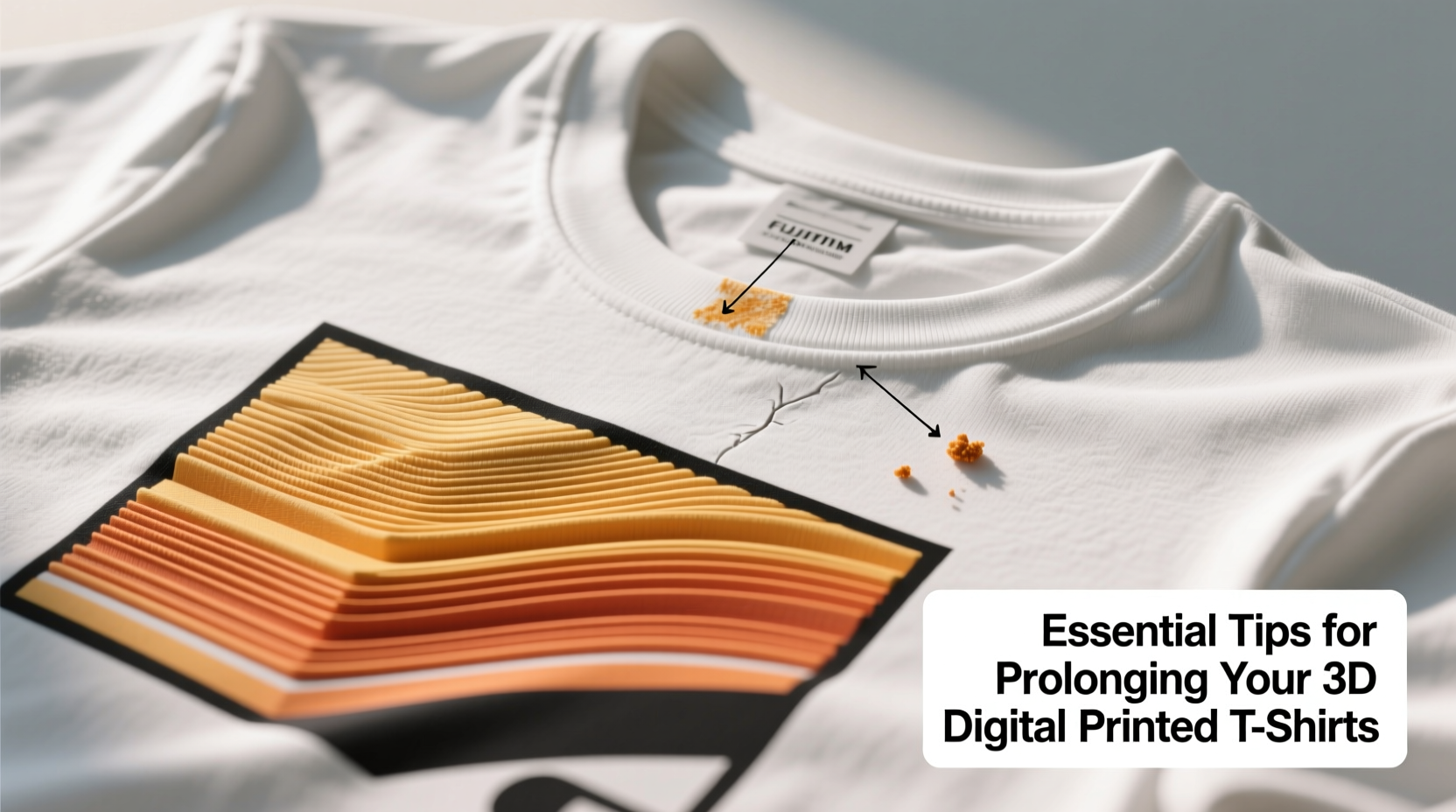
The foundation of preserving any 3D digital printed T-shirt begins with knowing what it’s made of. Most digitally printed shirts are crafted from cotton-polyester blends or 100% cotton, each reacting differently to heat, moisture, and friction. Sublimation printing works best on polyester, where heat opens the fibers and bonds the ink permanently. DTG printing, on the other hand, adheres water-based inks to natural fibers like cotton but requires post-treatment curing for durability.
Mixing up care methods based on fabric type is one of the most common reasons for premature print degradation. For example, high heat can cause polyester-based sublimation prints to bleed if exposed too long, while cotton DTG prints may crack if tumble-dried aggressively.
“Many customers don’t realize their stunning graphic tee has specific chemistry behind it. Treating it like a regular shirt often leads to avoidable damage.” — Lena Torres, Textile Innovation Consultant at FiberLogic Labs
Washing Techniques That Preserve Print Integrity
Improper washing is the leading cause of faded or peeling digital prints. The mechanical agitation, chemical detergents, and thermal stress during laundering all contribute to wear. However, adopting gentle routines significantly slows deterioration.
Step-by-Step Guide: How to Wash a 3D Digital Printed T-Shirt
- Turn the shirt inside out – This shields the printed surface from direct contact with the drum and other clothes.
- Use cold water (below 30°C / 86°F) – Heat accelerates ink breakdown and causes synthetic fibers to expand and contract, stressing the print layer.
- Select a delicate cycle – Reduces spinning speed and minimizes abrasion between fabrics.
- Choose mild, dye-free detergent – Harsh chemicals and optical brighteners can react with digital inks, causing discoloration.
- Avoid fabric softeners – They coat fibers and may interfere with ink adhesion over time.
- Never bleach – Even non-chlorine bleach can degrade sensitive dyes used in digital printing.
- Wash with similar colors and soft garments – Zippers, buttons, or rough denim can scratch the print during agitation.
Do’s and Don’ts of Washing 3D Printed Tees
| Do | Don't |
|---|---|
| Wash in cold water | Use hot water cycles |
| Turn shirt inside out | Wash inside-out rarely or never |
| Use phosphate-free, gentle detergent | Use bleach or strong stain removers |
| Hand wash delicate pieces | Soak for extended periods |
| Limit wash frequency | Wash after every single wear unnecessarily |
Drying and Ironing: Heat Is the Enemy
After washing, improper drying does more harm than many realize. Tumble drying exposes prints to sustained high temperatures and constant tumbling friction—both detrimental to digital ink layers.
Air drying is the safest method. Lay the shirt flat on a clean towel or hang it on a padded hanger away from direct sunlight. UV rays accelerate color fading, especially in reds, purples, and fluorescent tones commonly used in 3D-style designs.
If ironing is necessary, always turn the garment inside out and use the lowest possible heat setting. Never apply the iron directly onto the printed area. For extra protection, place a thin cotton cloth between the iron and the shirt.
Storage Practices to Prevent Long-Term Damage
How you store your 3D printed T-shirts affects their appearance and structural integrity. Folding is generally preferred over hanging, as prolonged hanging can stretch shoulder seams and distort graphic alignment, particularly in heavier or oversized styles.
Fold neatly and stack horizontally in a cool, dry drawer or shelf. Avoid plastic bins unless they’re breathable; trapped moisture encourages mildew and odor buildup. Cedar blocks or silica gel packs help control humidity without risking chemical exposure.
Keep stored garments away from windows or areas with consistent light exposure. Prolonged indirect sunlight still contributes to gradual pigment breakdown, even indoors.
Real Example: The Festival Tee That Lasted Five Summers
Jamie, a concert photographer based in Portland, owns a limited-edition 3D-printed festival tee featuring a holographic stage design. After wearing it at three outdoor events, she noticed slight fading along the sleeves. She adjusted her routine: switching to cold hand washes, air drying in shade, and storing it folded in a dark linen drawer. Four years later, the shirt remains one of her sharpest-looking pieces—proof that small changes yield long-term results.
Preventative Maintenance Checklist
- ✅ Turn shirts inside out before washing
- ✅ Use cold water and gentle cycle only
- ✅ Avoid bleach, fabric softener, and harsh detergents
- ✅ Air dry flat or on a padded hanger
- ✅ Store folded in a dark, dry space
- ✅ Limit washing to when truly needed (spot clean minor stains)
- ✅ Rotate wear to reduce repeated stress on seams and prints
- ✅ Hand wash vintage or high-value printed pieces
Frequently Asked Questions
Can I machine wash my 3D digital printed T-shirt?
Yes, but only under controlled conditions: cold water, delicate cycle, inside out, and with mild detergent. Hand washing is recommended for premium or collectible items.
Why is my digital print cracking after two washes?
Cracking typically occurs due to excessive heat during drying or ironing, or using a rigid print formulation on a highly elastic fabric. It may also indicate poor initial curing during production. Proper aftercare can prevent further damage.
How often should I wash a printed T-shirt?
Only when necessary—ideally every 3–5 wears, depending on activity level. Over-washing accelerates wear regardless of fabric type. Spot cleaning helps extend time between full washes.
Final Thoughts: Care Is Part of the Design
A 3D digital printed T-shirt isn’t just clothing—it’s wearable art. The same attention given to its creation should extend to its upkeep. By treating these garments with intention, you preserve not only their visual impact but also their value, whether sentimental, artistic, or monetary. Small daily choices add up: skipping the dryer, choosing the right detergent, folding instead of hanging. These habits transform fleeting fashion statements into lasting wardrobe staples.




 浙公网安备
33010002000092号
浙公网安备
33010002000092号 浙B2-20120091-4
Comments
No comments yet. Why don't you start the discussion?