
Storing delicate clothing—whether vintage lace, silk blouses, hand-knit sweaters, or heirloom wedding gowns—requires more than just folding and tucking into a bin. Without proper care, even short-term storage can lead to yellowing, moth damage, creasing, or fiber degradation. Many people assume that once clothes are cleaned and boxed, they’re safe. But the truth is, improper storage accelerates wear far more than regular use. Understanding how to protect these garments ensures they remain wearable, beautiful, and intact for years—or even generations.
Choose the Right Storage Container
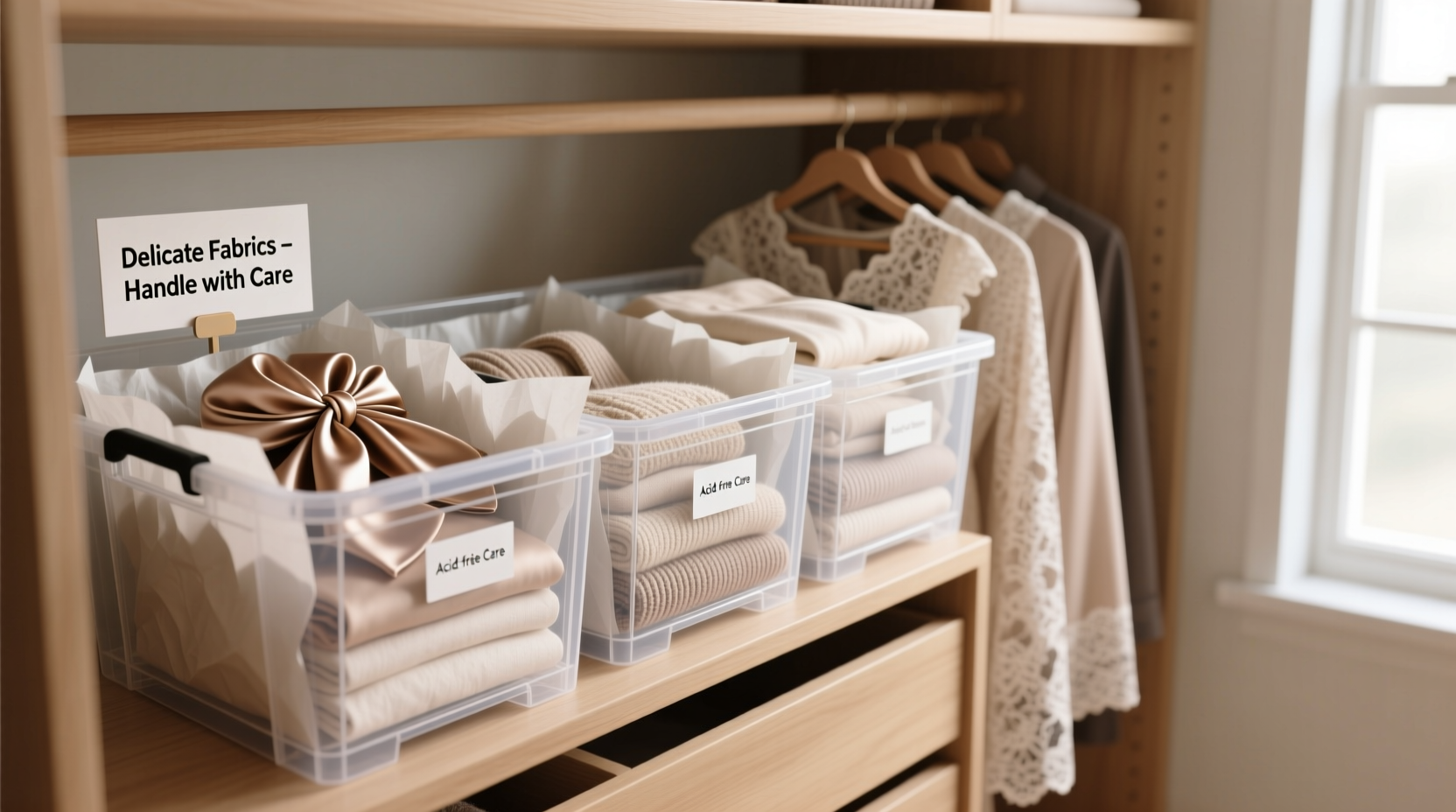
Not all storage bins are created equal. The material and design of the container play a crucial role in preserving fabric integrity. Plastic bins may seem convenient, but many trap moisture, especially if sealed too tightly. Cardboard boxes, while breathable, attract pests and degrade over time when exposed to humidity.
The best option is a rigid, lidded plastic bin made from polypropylene or another inert plastic that doesn’t off-gas harmful chemicals. Look for containers labeled “acid-free” and “archival-safe,” particularly for long-term storage. These materials won’t leach acids that cause yellowing or embrittlement in natural fibers like cotton, silk, or wool.
Prepare Garments Before Storage
Cleaning before storage isn't optional—it's essential. Any trace of body oils, perfume, sweat, or food residue attracts insects and promotes staining over time. However, cleaning must be done correctly based on fabric type.
Silk and wool should typically be dry cleaned by a professional who specializes in delicate fabrics. Cotton and linen pieces can often be gently hand-washed in cool water with a pH-neutral detergent. Always air-dry flat away from direct sunlight to prevent fading and shrinkage.
Once clean, ensure garments are completely dry before folding. Even slight dampness encourages mildew growth, which can ruin fabric and leave permanent odors. For added protection, place each item in a breathable cotton garment bag or wrap it in acid-free tissue paper to prevent creases and abrasion.
Step-by-Step: Preparing Delicate Clothes for Storage
- Inspect each garment for stains, loose threads, or weak seams.
- Dry clean or hand-wash according to care labels.
- Air-dry flat, reshaping as needed.
- Press lightly with a cool iron if necessary (avoid steaming silk).
- Wrap in acid-free tissue paper, focusing on folds and high-friction areas.
- Place in breathable cotton bags or fold neatly inside archival boxes.
Control Environment and Placement
Temperature, humidity, and light exposure are silent destroyers of textile quality. Ideal storage conditions mimic museum standards: cool (60–70°F), dry (40–50% humidity), and dark. Basements and attics, though tempting for space-saving, are among the worst places due to fluctuating temperatures and moisture risks.
If storing in a closet, elevate bins off the floor using shelves to avoid contact with potential spills or pests. Never stack heavy items on top of stored clothing—this causes permanent compression and distortion, especially in knits or structured silhouettes.
| Storage Factor | Do | Don’t |
|---|---|---|
| Container | Use archival-quality plastic or cardboard bins with tight lids | Use unlined wooden chests or non-ventilated plastic totes |
| Humidity | Maintain 40–50% with silica gel packs or dehumidifiers | Store in damp basements or steamy bathrooms |
| Light | Keep in dark closets or covered bins | Leave near windows or under bright lights |
| Pests | Use lavender sachets or cedar blocks (refreshed annually) | Rely on mothballs—chemical fumes damage fabric and linger |
“Fabrics degrade twice as fast under UV light and high humidity. Proper storage isn’t about convenience—it’s about chemistry.” — Dr. Lena Patel, Textile Conservation Scientist, Smithsonian Institution
Avoid Common Storage Mistakes
Even well-intentioned efforts can backfire. One frequent error is stuffing garments too tightly, which stresses fibers and creates deep, hard-to-remove creases. Another is hanging delicate items like beaded gowns or knits, which can stretch out of shape under their own weight.
Buttons, zippers, and embellishments should be secured before storage. Open zippers can warp over time, and metal buttons may corrode if exposed to moisture. For embroidered or sequined pieces, place a layer of muslin or acid-free paper between folded sections to prevent transfer marks or snagging.
Real Example: Preserving a Vintage Wedding Gown
Sophia inherited her grandmother’s 1952 silk satin wedding dress. Initially stored in a plastic bag under the bed, she noticed yellow discoloration and brittle fabric after five years. She consulted a textile conservator, who advised transferring the gown to an acid-free box with tissue paper interleaving. Sophia now stores it in a climate-controlled closet, checks it biannually, and keeps it wrapped in pure cotton. Ten years later, the dress remains pristine and was recently worn by her daughter at a vow renewal ceremony.
Essential Storage Checklist
- ✔ Clean all garments before storage
- ✔ Repair loose hems, buttons, or seams
- ✔ Use acid-free tissue paper for folding support
- ✔ Choose archival-safe, breathable containers
- ✔ Control humidity with silica gel or monitoring tools
- ✔ Avoid direct sunlight and extreme temperatures
- ✔ Label bins clearly with contents and date
- ✔ Inspect stored items every 6 months
Frequently Asked Questions
Can I use vacuum-sealed bags for delicate clothes?
No. While vacuum bags save space, they compress fibers excessively and can weaken delicate weaves over time. Silk and wool may lose elasticity, and pleats or ruffles can become permanently flattened. They also increase the risk of trapped moisture leading to mildew. Stick to breathable, rigid containers instead.
How do I prevent yellowing in white fabrics?
Yellowing is often caused by oxidation, light exposure, or residual body oils. Always clean garments thoroughly before storage. Wrap them in acid-free paper (not newsprint, which contains lignin) and store in a dark, cool place. Avoid plastic bags or containers that aren’t specifically labeled archival-safe, as some plastics release acids over time.
Are cedar blocks safe for delicate fabrics?
Yes, when used properly. Cedar repels moths naturally and is safer than chemical alternatives. However, ensure the wood is smooth and not shedding splinters. Place blocks beside—not directly against—delicate fabrics, and refresh the scent by lightly sanding every 6–12 months. Avoid oil-based cedar products, which can stain.
Protect Your Wardrobe Legacy
Delicate clothes carry more than aesthetic value—they hold memories, craftsmanship, and personal history. Treating them with thoughtful storage practices honors that significance. By choosing the right containers, controlling environmental factors, and following simple preparation steps, you preserve not just fabric, but legacy. Whether it’s a baby’s christening gown or a favorite silk scarf, proper storage means these pieces can be cherished long into the future.




 浙公网安备
33010002000092号
浙公网安备
33010002000092号 浙B2-20120091-4
Comments
No comments yet. Why don't you start the discussion?