
A canvas crossbody handbag is a staple in modern wardrobes—lightweight, versatile, and effortlessly stylish. But frequent use exposes it to dirt, oils, moisture, and environmental wear. Without proper care, fading, stains, and structural damage can set in quickly. Unlike leather or synthetic materials, canvas requires a balanced approach: thorough enough to remove grime, yet gentle enough to preserve fabric integrity. The good news? With consistent, informed maintenance, your favorite bag can remain fresh and functional for years.
Understanding Canvas Fabric and Its Vulnerabilities
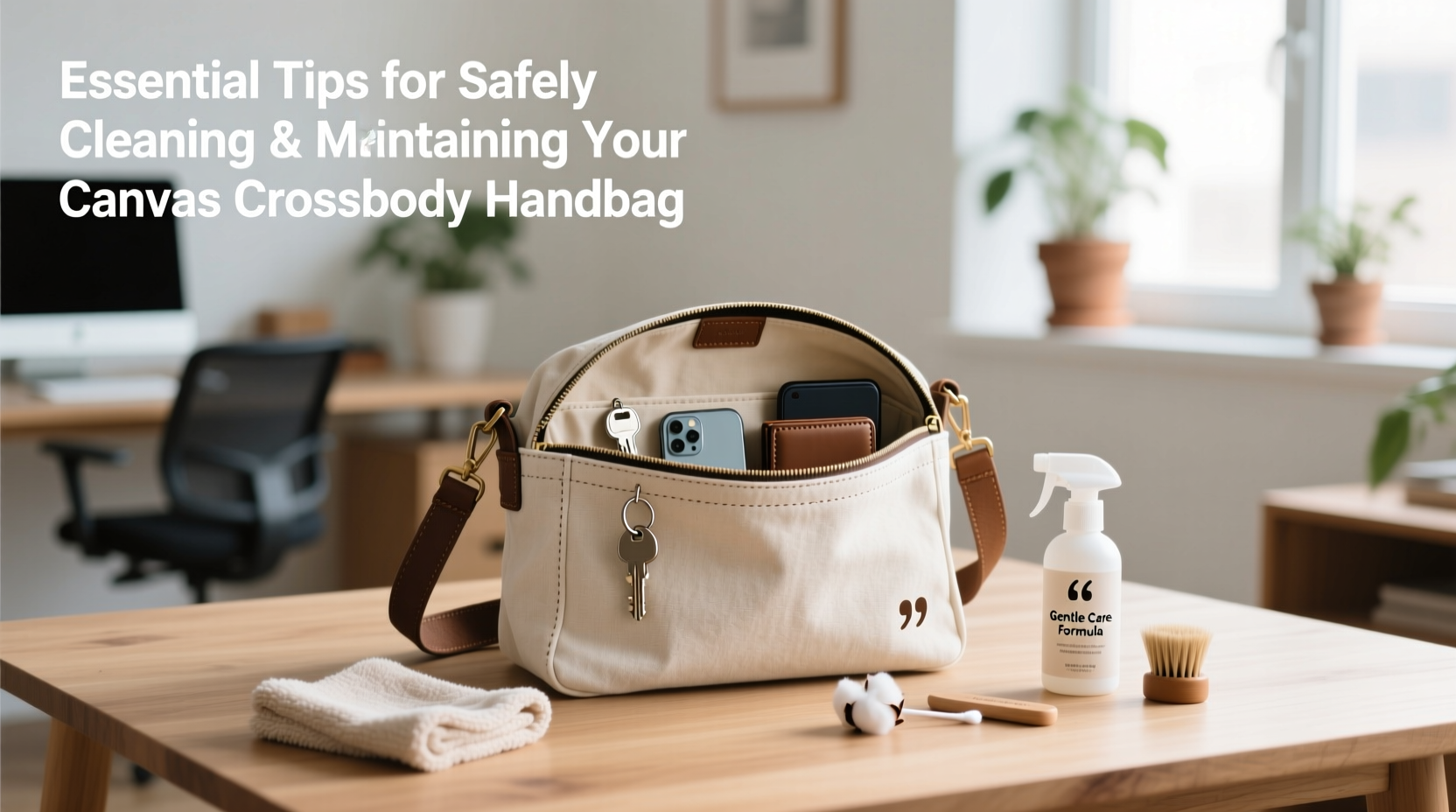
Canvas is a tightly woven cotton or cotton-blend fabric known for its durability and breathability. Most crossbody bags use medium-weight canvas, often coated with wax, polyurethane, or water-resistant finishes to enhance protection. Despite its toughness, canvas is prone to absorbing spills, developing mildew in damp environments, and fading under prolonged UV exposure. Dirt and oils from hands, makeup, or skin transfer easily onto the surface, especially on light-colored bags.
The stitching, hardware (zippers, buckles, strap attachments), and lining are equally important. Over time, metal components can tarnish, straps may weaken at stress points, and linings can tear if overstuffed. Recognizing these vulnerabilities helps inform a proactive care strategy—not just reactive cleaning.
“Canvas is forgiving but not indestructible. Most damage occurs not from use, but from neglect.” — Lena Torres, Textile Care Consultant
Step-by-Step Guide to Cleaning Your Canvas Crossbody Bag
Cleaning should be approached in stages: inspection, dry cleaning, spot treatment, washing (if needed), drying, and finishing. Rushing through these steps risks warping, shrinkage, or color bleeding.
- Empty and inspect: Remove all contents. Check pockets, seams, and corners for debris. Look for loose threads, broken zippers, or worn strap joints.
- Dry brush surface: Use a soft-bristled clothes brush or clean toothbrush to gently loosen dust and dried dirt. Brush in one direction to avoid fraying fibers.
- Spot test: Dampen an inconspicuous area (e.g., inside seam) with your chosen cleaner. Wait 10 minutes. If no discoloration or texture change occurs, proceed.
- Spot clean stains: For oil, ink, or makeup marks, use a microfiber cloth lightly dampened with a mix of 1 part white vinegar to 3 parts water. Blot—don’t rub—to lift residue.
- Surface wash: Mix a small amount of mild liquid detergent (like Woolite or baby shampoo) with cool water. Dip a sponge or cloth, wring thoroughly, and wipe the exterior in gentle circular motions. Avoid soaking.
- Rinse: Wipe with a clean, damp cloth to remove soap residue. Never submerge the entire bag unless manufacturer instructions allow it.
- Dry flat: Stuff the bag lightly with acid-free tissue or a dry towel to maintain shape. Lay it face-up in a well-ventilated, shaded area. Avoid radiators, direct sunlight, or hairdryers.
- Recondition hardware: Once fully dry, use a cotton swab dipped in rubbing alcohol to clean zipper tracks. Apply a tiny drop of machine oil to zipper sliders for smooth operation.
Do’s and Don’ts: Maintenance Best Practices
| Do | Don’t |
|---|---|
| Clean after heavy use or visible soiling | Wait until stains are deeply set |
| Store in a breathable cotton dust bag | Use plastic bins that trap moisture |
| Rotate between multiple bags weekly | Overstuff daily, stressing seams |
| Wipe straps monthly to remove skin oils | Use bleach-based cleaners |
| Apply fabric protector spray yearly | Spray waterproofing near leather trims |
Real Example: How One Traveler Saved Her Faded Bag
Sophie, a freelance photographer based in Portland, used her navy canvas crossbody daily during city shoots and weekend hikes. After six months, the base darkened with scuff marks, the shoulder strap showed fraying, and the interior smelled musty after a rainy festival. Instead of replacing it, she followed a structured cleaning routine: brushed off grit, spot-treated with diluted dish soap, wiped interior with vinegar-water solution, and air-dried over two days. She then applied a silicone-free fabric guard and reinforced the strap anchor with clear nail polish to prevent further unraveling. Three months later, the bag still performs flawlessly—proof that timely intervention beats premature replacement.
Long-Term Storage and Preventative Care Checklist
Even with regular use, how you store your bag between outings affects longevity. Extreme temperatures, humidity, and compression distort shape and invite mold. Follow this checklist to protect your investment:
- ✅ Empty all compartments weekly to prevent forgotten items from leaking or decaying.
- ✅ Line the interior with acid-free paper to absorb moisture and maintain structure.
- ✅ Loosen straps and unclip closures before storing to reduce tension on hardware.
- ✅ Keep away from windows, basements, or attics where temperature fluctuates.
- ✅ Refresh fabric protection every 12 months, especially if used in rainy climates.
- ✅ Rotate usage—avoid wearing the same bag more than four days a week.
Frequently Asked Questions
Can I wash my canvas crossbody in the washing machine?
Only if the care label explicitly permits it. Most manufacturers advise against machine washing due to risk of damaging hardware, warping shape, or weakening bonded seams. Hand-cleaning is always safer and more controlled.
How do I remove mildew smell from the lining?
Mix 1 tablespoon baking soda with 1 cup of white vinegar. Lightly dab the solution on affected areas using a cotton ball. Let sit for 15 minutes, then wipe with a damp cloth. Air-dry completely in indirect sunlight. Repeat if necessary. Never saturate the lining.
Is it safe to use waterproofing spray on canvas?
Yes, but choose a product designed for fabrics, not leather or suede. Test on a hidden area first. Apply in a well-ventilated space, holding the nozzle 6–8 inches away. Avoid overspray on zippers or metal accents, as residue can cause corrosion over time.
Conclusion: Small Habits, Lasting Results
Your canvas crossbody bag earns its place in your daily life by combining utility with style. In return, it deserves thoughtful care that goes beyond occasional wipe-downs. By integrating simple habits—regular brushing, prompt stain treatment, mindful storage, and seasonal deep cleaning—you preserve both appearance and function. These efforts compound over time, extending the bag’s life far beyond typical wear cycles.
Great accessories aren’t just purchased—they’re maintained. Take a few minutes each week to assess and care for your bag. It’s a small commitment that honors your taste, supports sustainability, and keeps your go-to companion looking as reliable as it feels.




 浙公网安备
33010002000092号
浙公网安备
33010002000092号 浙B2-20120091-4
Comments
No comments yet. Why don't you start the discussion?