
Strawberry keychains have become more than just accessories—they’re expressions of personality, often cherished for their whimsical design and nostalgic appeal. Whether made from silicone, fabric, or resin, these small but meaningful items are exposed daily to dirt, oils, and environmental wear. Without proper care, they can lose their luster, develop odors, or even break prematurely. Maintaining a strawberry keychain doesn’t require elaborate tools or expertise, but it does demand attention to material type, gentle handling, and consistent habits. This guide delivers practical, tested advice to help you preserve both the appearance and longevity of your favorite accessory.
Understanding Your Keychain’s Material
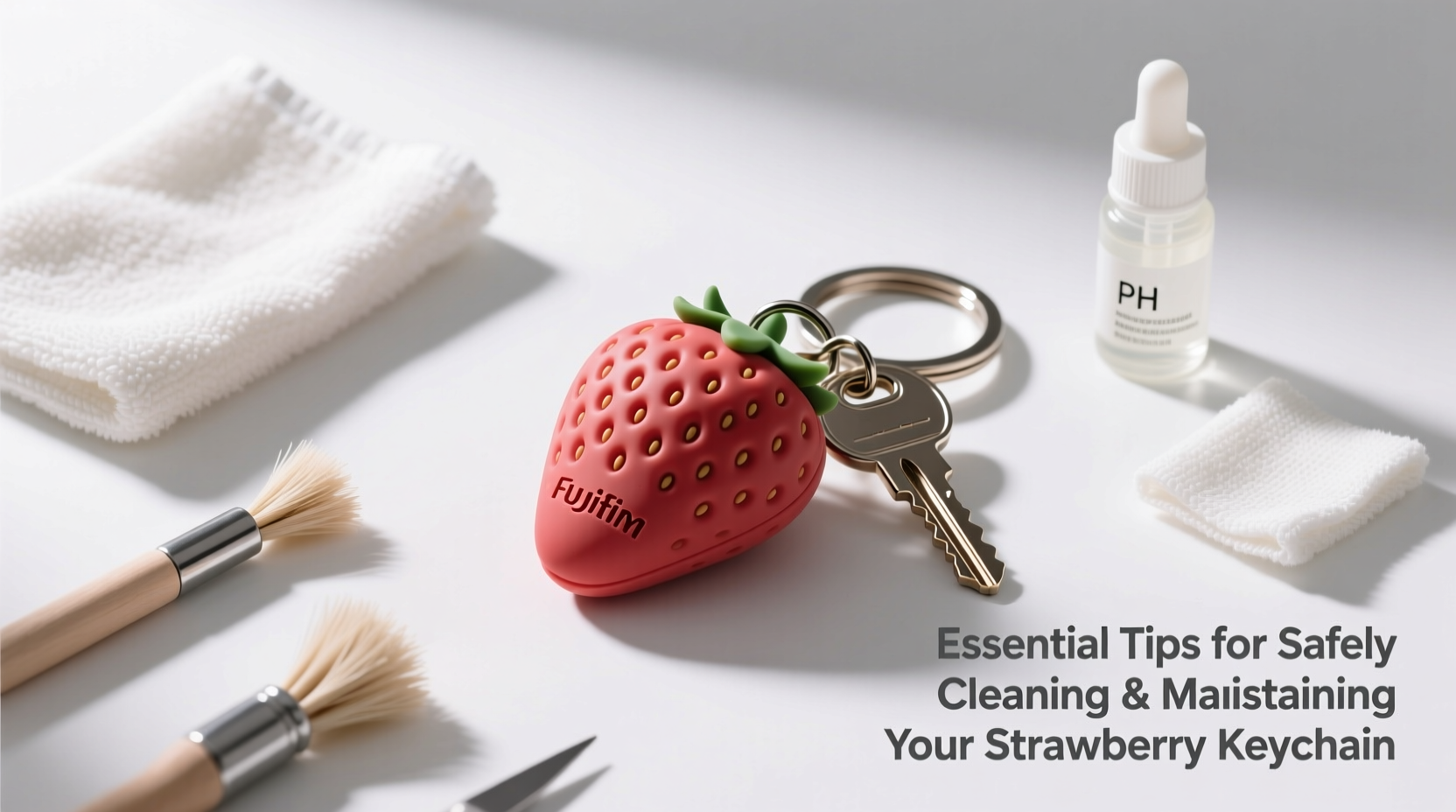
The first step in effective maintenance is identifying what your strawberry keychain is made of. Most common materials include:
- Silicone – Flexible, water-resistant, and durable. Often used in trendy, soft-textured designs.
- Resin – Rigid, glossy, and detailed. Frequently seen in collectible or decorative styles.
- Fabric or plush – Soft, cuddly versions that may contain embroidery or stitching.
- Vinyl or PVC – Shiny and firm, sometimes coated with glitter or metallic finishes.
Cleaning methods vary drastically between these materials. Using the wrong approach—like submerging a fabric keychain in water or scrubbing resin with abrasives—can cause irreversible damage. Always check manufacturer labels if available, or assume a delicate care standard when uncertain.
Step-by-Step Cleaning Process by Material Type
A one-size-fits-all cleaning method won’t work for all strawberry keychains. Follow this tailored approach based on your keychain’s construction.
For Silicone and Vinyl Keychains
- Remove the keychain from your keys and detach any removable parts (e.g., charms).
- Rinse under lukewarm water to remove surface dust.
- Apply a drop of mild dish soap to a soft toothbrush or microfiber cloth.
- Gently scrub all surfaces, especially crevices where grime collects.
- Rinse thoroughly and pat dry with a lint-free towel.
- Allow to air-dry completely before reattaching to keys.
For Resin Keychains
- Wipe with a slightly damp microfiber cloth to remove fingerprints and dust.
- If stained, use a cotton swab dipped in diluted isopropyl alcohol (70% water, 30% alcohol).
- Spot-clean only—never soak or immerse.
- Dry immediately with a soft cloth to prevent water spots.
For Fabric or Plush Keychains
- Use a handheld vacuum with a brush attachment to remove loose debris.
- Spot-clean stains with a cloth dampened in a mix of cold water and mild detergent.
- Avoid soaking; excessive moisture can lead to mold or stuffing clumping.
- Blot dry and reshape while damp to maintain form.
- Let air-dry away from direct sunlight or heat sources.
Do’s and Don’ts: Maintenance Best Practices
| Do’s | Don’ts |
|---|---|
| • Clean monthly or after heavy use | • Don’t machine wash unless explicitly labeled as safe |
| • Store in a breathable pouch when not in use | • Avoid prolonged exposure to direct sunlight (causes fading) |
| • Use soft cloths and gentle cleaners | • Never use abrasive sponges or steel wool |
| • Rotate keychains to reduce wear on one item | • Don’t leave in hot cars or humid bathrooms |
| • Inspect metal rings and clasps regularly | • Don’t tug or stretch elastic or fabric components |
Expert Insight: Why Small Details Matter
Maintaining a small accessory like a strawberry keychain might seem trivial, but experts emphasize that consistent care reflects broader habits of mindfulness and intentionality.
“People form emotional attachments to seemingly minor objects. A well-kept keychain isn’t just about cleanliness—it’s about respect for personal belongings and self-expression.” — Dr. Lena Torres, Consumer Behavior Researcher at the Institute for Everyday Design
Dr. Torres notes that users who care for small items tend to extend the lifespan of larger possessions too, suggesting that attention to detail fosters long-term value awareness.
Real-Life Example: How One Collector Preserves Her Collection
Mira Chen, a 28-year-old designer from Portland, owns over 50 strawberry keychains collected from travels, gifts, and limited editions. She noticed several began to yellow or crack after two years of regular use.
After researching material-specific care, she implemented a simple system: every Sunday, she rotates three keychains into active use while storing the rest in individual cotton pouches inside a drawer. Every month, she cleans the inactive ones using appropriate methods and inspects hardware for rust or looseness.
Within six months, her keychains retained their original vibrancy, and none required replacement. “I treat them like tiny works of art,” she says. “A little routine goes a long way.”
Essential Maintenance Checklist
Use this checklist monthly to keep your strawberry keychain in top condition:
- ☐ Remove from keys and inspect for dirt buildup
- ☐ Identify material type (silicone, resin, fabric, etc.)
- ☐ Clean using appropriate method and tools
- ☐ Dry completely before reuse or storage
- ☐ Check metal ring for corrosion or bending
- ☐ Store in a cool, dry place away from direct light
- ☐ Rotate usage if you own multiple keychains
Frequently Asked Questions
Can I clean my strawberry keychain in the dishwasher?
No. Dishwashers expose items to high heat, harsh detergents, and mechanical agitation that can warp, discolor, or crack even durable materials like silicone and resin. Hand washing with mild soap is always safer.
Why is my clear resin keychain turning cloudy?
Cloudiness often results from micro-scratches or chemical reactions. Avoid wiping with rough fabrics or alcohol-based cleaners. If already cloudy, try buffing gently with a jewelry polishing cloth—but prevention through careful handling is best.
How do I remove a stubborn stain from a fabric keychain?
For organic stains (like food or sweat), dab with a solution of equal parts cold water and white vinegar, then blot with a clean cloth. Do not rub, as this spreads the stain. Let air-dry fully and repeat if necessary. For ink or makeup, use a tiny amount of rubbing alcohol on a cotton swab, applied only to the affected spot.
Conclusion: Care Transforms Trinkets Into Treasures
Your strawberry keychain may be small, but its charm lies in the details—the glossy finish, the vibrant red hue, the playful shape. With minimal effort, you can preserve those qualities for years. Regular cleaning, mindful storage, and material-aware maintenance don’t just extend lifespan—they honor the joy these little objects bring. Whether it’s a gift, a souvenir, or a self-purchase that brightens your day, treating it with care reinforces the value you place on the small things in life.




 浙公网安备
33010002000092号
浙公网安备
33010002000092号 浙B2-20120091-4
Comments
No comments yet. Why don't you start the discussion?