
Portable tableware sets—whether made of bamboo, stainless steel, silicone, or melamine—are essential companions for outdoor dining, camping trips, office lunches, or travel. While they offer convenience and sustainability, their longevity depends heavily on how well they’re stored and protected. Improper handling can lead to warping, odors, scratches, bacterial buildup, or even breakage. Understanding the right techniques ensures your set remains hygienic, functional, and visually appealing for years.
Choose the Right Storage Container
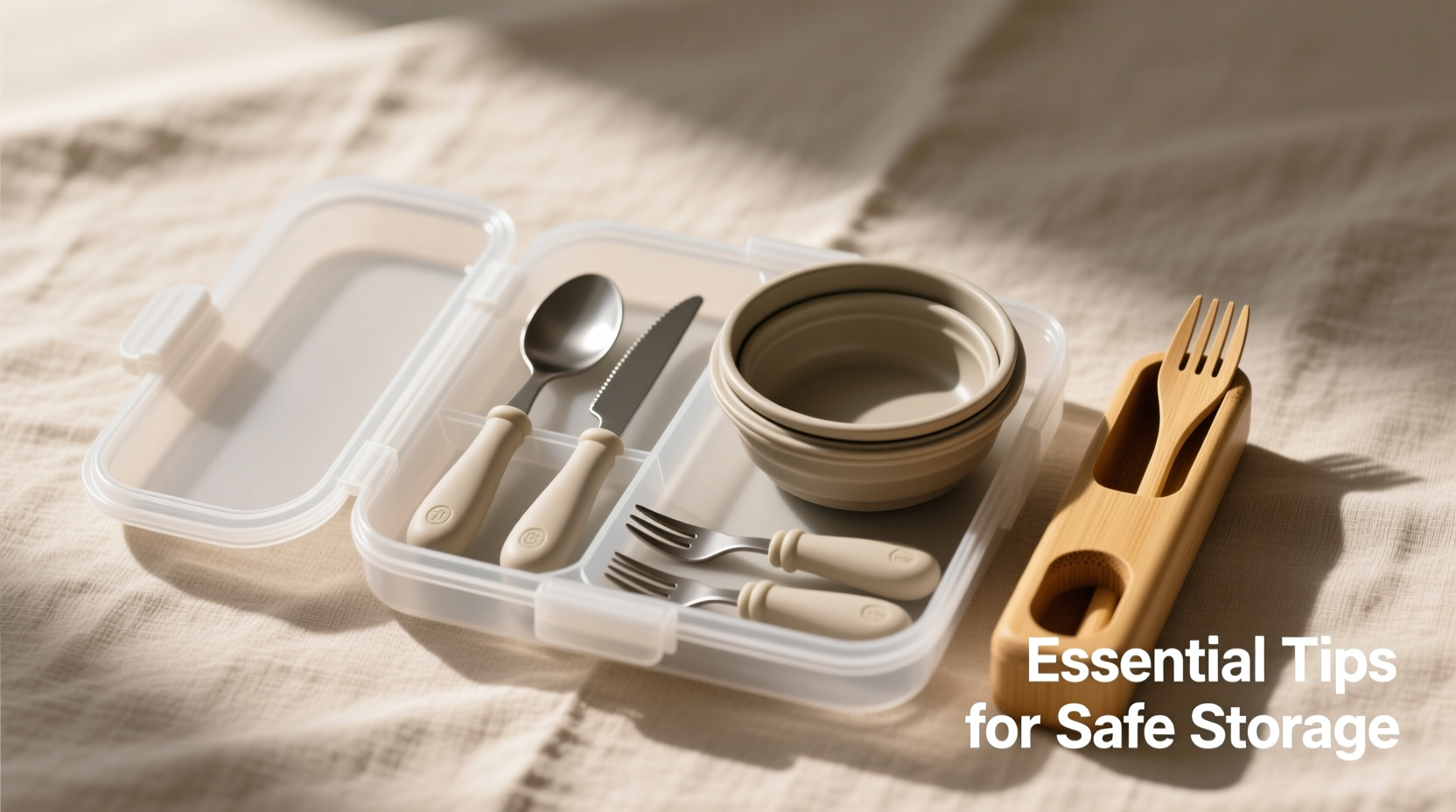
The container you use plays a crucial role in safeguarding your tableware. A poorly designed case can cause damage during transport or encourage moisture buildup, which promotes mold and mildew. Opt for a rigid, ventilated container that fits your set snugly without forcing components together under pressure.
Soft pouches may seem convenient but often lack structural support, allowing utensils to scratch plates or bowls. Hard-shell cases with interior dividers keep items separated and secure. Look for materials like food-grade polypropylene or BPA-free plastics that resist odor absorption and are easy to wipe down.
Follow a Step-by-Step Cleaning and Storage Routine
Proper care begins after each use. Skipping thorough cleaning or storing while damp invites bacteria and compromises material integrity. Follow this routine to maintain peak condition:
- Rinse immediately: Remove food residue as soon as possible to prevent staining and bacterial growth.
- Wash with mild soap: Use a soft sponge and non-abrasive detergent. Avoid steel wool or harsh scrubbers, especially on coated or laminated surfaces.
- Air-dry thoroughly: Place items on a drying rack in a well-ventilated area. Never stack or store wet pieces.
- Inspect for damage: Check for cracks, warping, or loose coatings—especially in bamboo or resin-based sets.
- Store in designated case: Arrange items in order, ensuring no sharp edges press against delicate surfaces.
This five-step process minimizes wear and extends usability across hundreds of uses.
Do’s and Don’ts of Portable Tableware Storage
Mistakes in storage habits can silently degrade your set over time. The following table outlines common behaviors and their consequences:
| Action | Recommended? | Reason |
|---|---|---|
| Storing in a sealed plastic bag when slightly damp | No | Traps moisture; encourages mold and odors |
| Using a breathable mesh-lined container | Yes | Promotes airflow and prevents condensation |
| Stacking metal utensils directly on plastic lids | No | Causes micro-scratches that harbor bacteria |
| Keeping near heat sources (e.g., car dashboard) | No | Heat warps plastic and weakens adhesives in composite materials |
| Labeling containers for different users | Yes | Prevents mix-ups and cross-contamination in shared settings |
Real-Life Scenario: How One Family Prevented Tableware Damage
The Rivera family used a single bamboo fiber set for all weekend outings. After just three months, the bowl developed a musty smell and small cracks appeared near the rim. They realized they were rinsing the set at the park, wiping it with a towel, and sealing it in a zippered nylon pouch—all while still slightly damp.
After switching to a hard-shell case with ventilation holes and adopting an air-drying protocol at home, the issues stopped. They now carry a small microfiber cloth to blot excess water pre-storage and allow full drying upon return. Their set, six months later, shows no signs of degradation—a testament to consistent, informed care.
“Many eco-friendly tableware materials are sensitive to environmental stress. Proper storage isn’t optional—it’s part of the product’s design lifecycle.” — Dr. Lena Patel, Materials Scientist & Sustainable Product Consultant
Material-Specific Protection Strategies
Different materials require tailored approaches. Treating bamboo like stainless steel, for example, leads to premature failure. Understand your set’s composition and adjust accordingly:
- Bamboo or plant-fiber composites: Highly porous; avoid prolonged exposure to liquids. Never soak. Store in low-humidity environments. Recondition occasionally with food-safe mineral oil.
- Stainless steel: Resistant to corrosion but prone to surface scratches. Use fabric sleeves for utensils. Avoid chloride-rich cleaners.
- Silicone: Flexible and durable, but can absorb odors from strong foods (like curry or garlic). Store with a piece of activated charcoal or baking soda to neutralize smells.
- Melamine: Can crack under impact and degrade under UV light. Keep out of direct sunlight and never use in microwaves or ovens.
Essential Storage Checklist
To ensure you're covering all bases, follow this concise checklist every time you put away your portable tableware:
- ✅ All pieces are fully dry—no damp spots or condensation
- ✅ No food residue remains in crevices or lids
- ✅ Utensils are separated from soft surfaces (e.g., plastic, bamboo)
- ✅ Storage case is clean and free of mold or debris
- ✅ Set is kept in a cool, dark place away from temperature extremes
- ✅ Labels (if used) are intact and legible for user identification
Frequently Asked Questions
Can I store my portable tableware in the car for easy access?
Not recommended for extended periods. Vehicles experience extreme temperatures—both hot and cold—which can warp plastic, weaken adhesives, and create condensation inside containers. If carried temporarily (e.g., for lunch), remove the set at day’s end and store it properly at home.
How often should I deep-clean my storage case?
Clean the container monthly with warm, soapy water and a soft brush. For odor removal, wipe the interior with a vinegar-water solution (1:1 ratio), then rinse and air-dry completely. Replace the case if cracks or persistent smells develop.
Is it safe to store metal utensils with other materials?
Only if they’re properly isolated. Metal edges can scratch softer materials like bamboo or melamine, creating grooves where bacteria thrive. Use built-in slots or individual sleeves to prevent contact.
Final Thoughts: Make Protection a Habit
Your portable tableware set is more than a convenience—it’s an investment in sustainable living. With thoughtful storage and consistent maintenance, you reduce waste, save money, and enjoy a cleaner, safer dining experience wherever you go. These practices don’t require extra time, only awareness and discipline.
Start today by auditing your current storage method. Is it truly protective? Does it allow airflow? Are your items going in dry? Small adjustments compound into significant benefits over time. Treat your tableware not just as tools, but as valued parts of your daily ritual.




 浙公网安备
33010002000092号
浙公网安备
33010002000092号 浙B2-20120091-4
Comments
No comments yet. Why don't you start the discussion?