
A luxury automatic watch is more than a timekeeping device—it’s a statement of refinement, craftsmanship, and personal identity. Unlike quartz watches powered by batteries, automatic watches operate through intricate mechanical movements driven by the motion of the wearer’s wrist. This blend of engineering artistry and aesthetic sophistication makes them a cornerstone of men’s elevated style. Yet, with countless brands, complications, materials, and price points, choosing the right one requires both knowledge and intention. The ideal piece should reflect your lifestyle, complement your wardrobe, and endure as a legacy heirloom.
Understand Movement: The Heart of an Automatic Watch
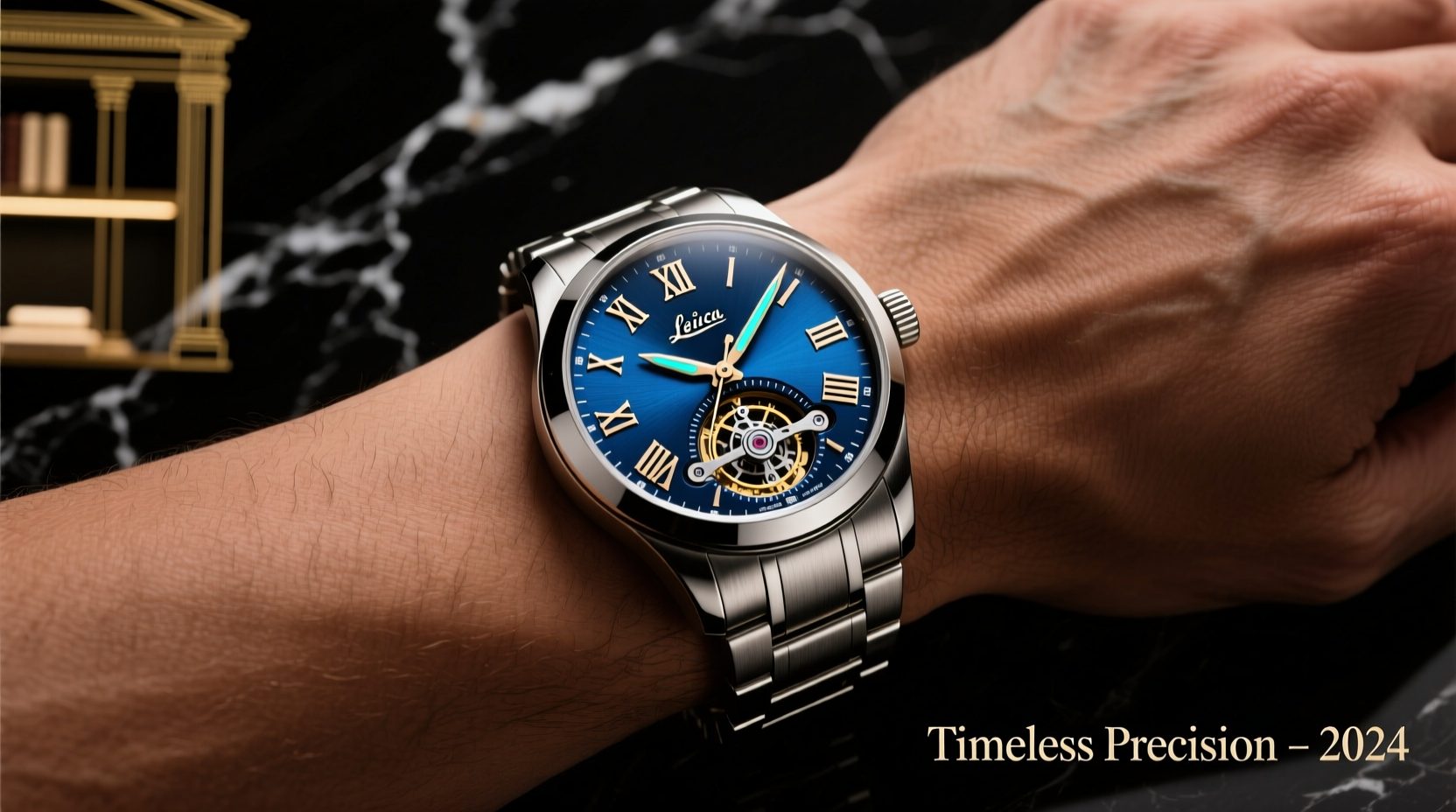
The movement—also known as the caliber—is the engine of any automatic watch. It determines accuracy, durability, maintenance needs, and even resale value. There are two primary types: in-house and third-party movements.
In-house movements are developed and manufactured entirely by the brand itself, such as Rolex’s Caliber 3235 or Patek Philippe’s CH 26-330 S C. These often represent peak innovation and exclusivity, contributing to higher pricing and collectibility. Third-party movements, like those from ETA or Sellita, are reliable and widely used across mid-tier and entry-level luxury brands. While not inferior, they may lack the prestige of proprietary calibers.
Mechanical purists appreciate the sweeping second hand motion—a hallmark of automatics—versus the ticking motion of quartz watches. However, expect slight variations in timekeeping; ±5 seconds per day is excellent, while ±10 is typical. Regular wear keeps the mainspring wound, but if unused, most automatics run for 38–70 hours before stopping.
Assess Design and Proportion for Personal Style
A watch must harmonize with your physique and fashion sensibilities. A 44mm diver on a slim wrist can appear overwhelming, just as a 36mm dress watch might look undersized with broad sleeves. The golden rule: the case diameter should not exceed your wrist circumference minus 10mm.
Dress watches typically range from 36mm to 39mm and feature minimalist dials, thin cases, and leather straps. They suit formal attire and boardroom settings. Sports watches, like the Omega Seamaster or Audemars Piguet Royal Oak, range from 40mm to 44mm, offer water resistance, and often include rotating bezels or chronographs. They’re built for versatility and rugged elegance.
Consider dial color and legibility. Black and silver dials are universally compatible. Blue dials have surged in popularity, offering a refined alternative to black without sacrificing seriousness. Lume quality matters for nighttime readability—Swiss Super-LumiNova is the industry standard.
“Proportion is everything. A well-chosen watch doesn’t shout; it whispers confidence.” — Daniel Roch, Former Director at Jaeger LeCoultre
Material Matters: Case, Crystal, and Strap
Luxury watches use premium materials that affect weight, durability, and luster. Stainless steel remains the most popular choice due to its resilience and classic appeal. Brands like Rolex use 904L steel, which is more corrosion-resistant and takes a higher polish than standard 316L steel.
Precious metals—yellow, white, or rose gold—add opulence and value retention. Platinum models, though rarer and heavier, offer unmatched prestige. For active lifestyles, titanium is increasingly favored for being lightweight and hypoallergenic.
Sapphire crystal is the benchmark for scratch resistance, far superior to acrylic or mineral glass. Some vintage-inspired models use domed acrylic for authenticity, but these require more careful handling.
| Component | Common Materials | Pros | Cons |
|---|---|---|---|
| Case | Stainless Steel, Gold, Titanium, Platinum | Durability, prestige, longevity | Weight (platinum), cost (gold) |
| Crystal | Sapphire, Acrylic, Mineral | Scratch resistance (sapphire) | Acrylic scratches easily |
| Strap | Leather, Metal Bracelet, Rubber, Fabric | Versatility in style and comfort | Leather wears over time; metal may stretch |
Straps define comfort and context. Leather pairs perfectly with suits. Oyster or Jubilee bracelets (as seen on Rolex) enhance daily wearability and security. Rubber straps, once associated with divers, now appear in high-fashion executions from brands like Richard Mille and Hublot.
Functionality vs. Complications: Know What You Need
While “complication” sounds negative, in horology it means any function beyond telling time. Common ones include date windows, chronographs, moon phases, and GMT hands. More complications increase mechanical complexity—and price—but don’t always add practical value.
For most professionals, a simple three-hand design with a date aperture offers optimal clarity and elegance. If you travel frequently, a GMT complication (like on the Rolex GMT-Master II) allows tracking of two time zones simultaneously—an invaluable tool for global executives.
Chronographs serve both aesthetic and functional roles, enabling stopwatch functionality. However, frequent use increases wear on the movement and may require earlier servicing. Moon phase indicators are largely decorative but admired for their poetic charm.
Mini Case Study: Choosing the Right Watch for Career Advancement
James, a 38-year-old investment banker transitioning into private equity, wanted a watch that projected authority without ostentation. He considered the flashy Richard Mille RM 011 but realized it clashed with his tailored wardrobe and conservative firm culture. Instead, he chose the Vacheron Constantin Patrimony Ultra-Thin. At 41mm with a white gold case and midnight blue alligator strap, it conveyed quiet luxury. The minimalist dial emphasized precision, and the in-house caliber 1480 ensured reliability. Colleagues noticed the watch during client meetings—not because it was loud, but because it was unmistakably refined.
Step-by-Step Guide to Selecting Your Ideal Watch
- Define your budget: Luxury automatics start around $3,000 and go beyond $100,000. Set a realistic range.
- Identify your primary use: Is it for business, travel, sports, or special occasions?
- Measure your wrist: Use a tape measure to determine ideal case size.
- Research trusted brands: Focus on heritage, movement quality, and service reputation (e.g., Rolex, Patek, Jaeger, Omega).
- Try watches in person: Lighting, fit, and feel matter. Visit authorized dealers.
- Check service intervals: Most manufacturers recommend servicing every 5–7 years. Factor in long-term costs.
- Verify authenticity and warranty: Always buy from authorized retailers or reputable pre-owned dealers with documentation.
Frequently Asked Questions
Should I buy new or pre-owned?
New watches come with full warranties and pristine condition but depreciate immediately. Pre-owned pieces from trusted sources (like Chrono24 or Hodinkee) can offer up to 30% savings and access to discontinued models. Ensure they’ve been authenticated and serviced.
How do I maintain my automatic watch?
Wear it regularly to keep it wound. Service every 5–7 years to replace gaskets and lubricants. Avoid extreme magnetic fields, shocks, and sudden temperature changes. Store in a soft pouch when not in use.
Can I wear a luxury watch every day?
Yes—many modern automatics are built for daily wear. Models like the Rolex Datejust or Omega Speedmaster Professional are robust enough for office and weekend use. Just be mindful of water exposure and impacts.
Final Considerations: Legacy and Value Retention
Certain watches appreciate or hold value exceptionally well. Rolex Submariners, Audemars Piguet Royal Oaks, and Patek Philippe Nautiluses often trade above retail in the secondary market. While buying purely for investment is risky, selecting a model with strong demand ensures flexibility down the line.
Ultimately, the ideal luxury automatic watch balances emotional resonance with practical performance. It should feel like an extension of who you are—confident, discerning, and timeless.




 浙公网安备
33010002000092号
浙公网安备
33010002000092号 浙B2-20120091-4
Comments
No comments yet. Why don't you start the discussion?