
Selecting an iPhone case is more than a matter of aesthetics. With so many options on the market, the right case should reflect how you live, work, and move through your day. Whether you're a parent juggling kids and groceries, a professional commuting with meetings back-to-back, or an adventurer hiking rugged trails, your phone faces different challenges. A well-chosen case doesn’t just protect—it enhances usability, comfort, and confidence. The key is matching your case to your real-world routine.
Assess Your Daily Routine and Risk Factors
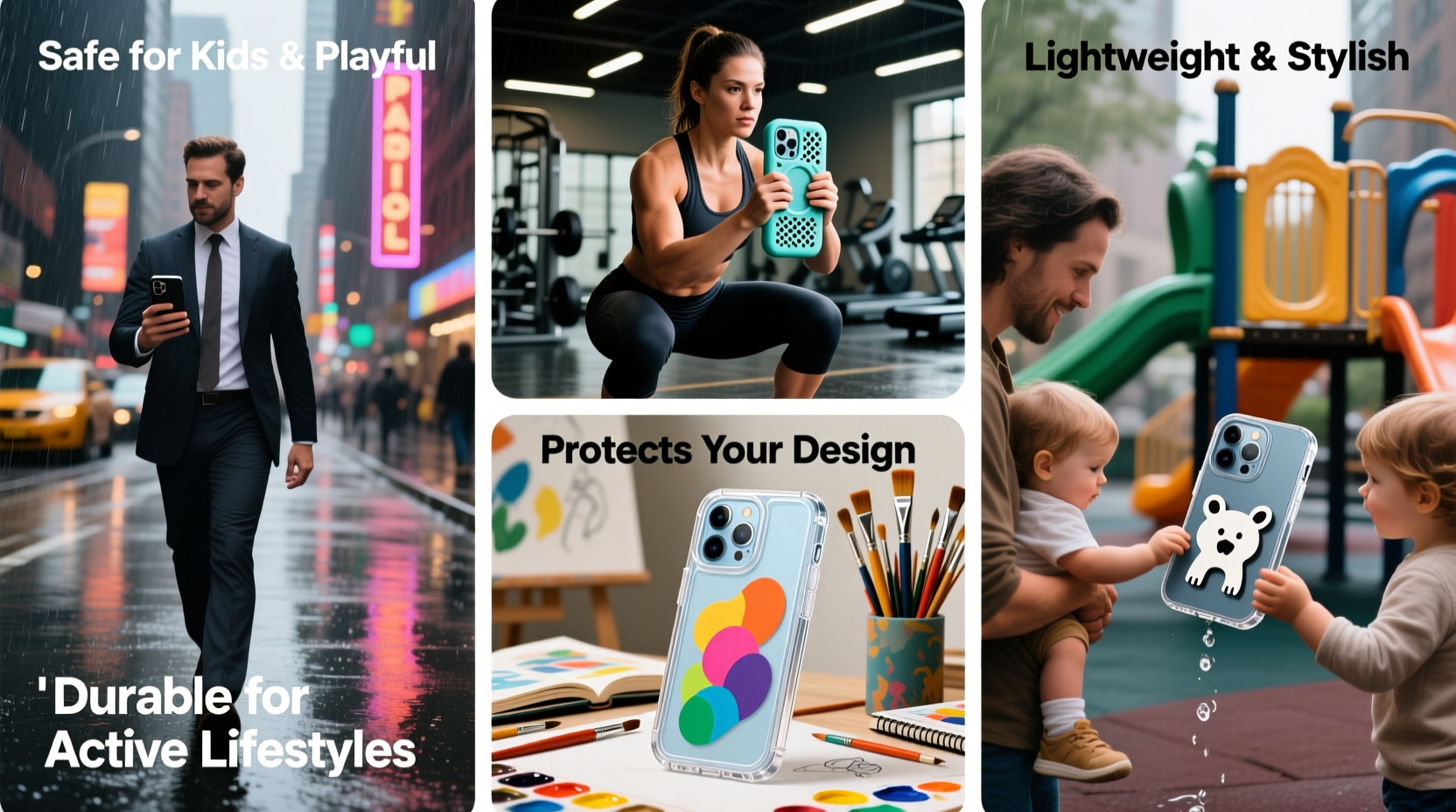
Your lifestyle dictates the level of protection your iPhone needs. Someone working in an office environment may prioritize sleek design and wireless charging compatibility, while a construction worker or outdoor enthusiast will need maximum impact resistance and dust protection.
Begin by evaluating how and where you use your phone:
- Active users: Frequent travelers, runners, parents, or those in physically demanding jobs should look for rugged cases with reinforced corners and shock-absorbing materials.
- Professionals: Business users often prefer slim, minimalist cases that fit easily into suit pockets or briefcases without adding bulk.
- Creative individuals: Artists, photographers, or designers might value aesthetic customization—cases with photo inserts, transparent backs, or unique textures.
- Outdoor adventurers: Hikers, cyclists, or beachgoers benefit from waterproof or water-resistant cases with secure grips and sealed ports.
Understand Protection Levels and Materials
Not all cases offer the same degree of defense. The material and structure directly affect performance under stress. Here’s a breakdown of common case types and their best-use scenarios:
| Material | Pros | Cons | Best For |
|---|---|---|---|
| Silicone | Soft grip, scratch-resistant, flexible | Can attract lint, less impact protection | Everyday urban use |
| TPU (Thermoplastic Polyurethane) | Durable, shock-absorbent, affordable | May yellow over time | General daily protection |
| Polycarbonate | Rigid, lightweight, scratch-resistant | Less flexible, can crack on hard impacts | Style-focused users |
| Leather | Elegant aging, premium feel, ages beautifully | Requires conditioning, not drop-proof | Professionals, luxury seekers |
| Hybrid (TPU + Polycarbonate) | Maximum drop protection, layered defense | Bulkier, heavier | Active lifestyles, frequent travelers |
“Most iPhone damage occurs within the first 3 feet of a drop. A case with military-grade drop protection (MIL-STD-810G) can reduce screen breakage by up to 80%.” — Dr. Alan Reyes, Materials Engineer at Mobile Safety Labs
Functionality Over Fashion: Prioritize Features That Matter
A beautiful case won’t help if it interferes with daily use. Consider these functional aspects before making a choice:
- Wireless Charging Compatibility: Ensure the case doesn’t block Qi charging. Most modern cases support this, but thicker models may reduce efficiency.
- Camera Access: Look for cases with precise cutouts that don’t obstruct lenses or flash, especially if you take photos frequently.
- Button Responsiveness: Tactile buttons should remain easy to press. Avoid overly stiff or recessed designs.
- Port Coverage: Some rugged cases include flaps over charging and speaker ports to keep out dust and moisture—ideal for dusty or wet environments.
- Wallet Integration: Built-in cardholders are convenient but add thickness and risk losing both phone and cards if misplaced.
Mini Case Study: Sarah, the On-the-Go Teacher
Sarah teaches fifth grade in a public school. Her day involves moving between classrooms, managing student devices, and carrying her phone in a tote filled with books and supplies. She dropped her phone twice in three months—once down a staircase—and cracked the screen both times.
After switching to a rugged OtterBox Defender series case with a built-in belt holster, she hasn’t had another incident. The multi-layer design absorbed impact during a fall onto tile, and the screen remained intact. Though bulkier, the added security lets her focus on teaching instead of worrying about her phone.
Her experience underscores a simple truth: the best case isn’t always the slimmest—it’s the one that survives your reality.
Step-by-Step Guide to Choosing Your Ideal Case
Follow this five-step process to find a case that truly fits your life:
- Map Your Usage: Track how you use your phone for three days. Note when and where you carry it, how often you set it down, and any near-drops.
- Determine Protection Needs: Based on usage, decide whether you need basic, moderate, or heavy-duty protection.
- Select Material & Style: Choose between silicone, leather, TPU, or hybrid based on your priorities: grip, elegance, or toughness.
- Test Key Features: Verify wireless charging works, buttons respond smoothly, and camera access is unobstructed.
- Read Real User Reviews: Focus on long-term feedback—look for comments about yellowing, wear, or durability after six months.
Checklist: Before You Buy an iPhone Case
- ✅ Confirmed compatibility with your exact iPhone model
- ✅ Verified drop protection rating (e.g., MIL-STD-810G certified)
- ✅ Supports wireless charging without removal
- ✅ Raised edges protect screen and camera when placed face-down
- ✅ Buttons are tactile and easy to press
- ✅ Cutouts align perfectly with ports, speakers, and microphone
- ✅ Weight and size feel comfortable in hand and pocket
- ✅ Color or finish resists fingerprints and smudges
Frequently Asked Questions
Do clear cases really yellow over time?
Yes, most transparent cases made from TPU will gradually yellow due to exposure to UV light, oils from skin, and environmental pollutants. High-quality brands use anti-yellowing coatings, but even these degrade after 6–12 months. If appearance matters, consider replacing clear cases annually—or opt for tinted versions that hide discoloration better.
Are MagSafe-compatible cases worth it?
If you use Apple’s ecosystem accessories—like MagSafe chargers, car mounts, or wallets—a compatible case enhances convenience significantly. These cases have embedded magnets aligned precisely for strong attachment. Just ensure the case doesn’t interfere with credit cards or medical devices due to magnetic fields.
How often should I replace my iPhone case?
Inspect your case every 6 months. Replace it if you notice cracks, loose corners, diminished shock absorption, or misalignment. A damaged case offers little protection, no matter its original quality.
Final Thoughts: Match Your Case to Your Life
The perfect iPhone case isn’t defined by brand names or price tags—it’s defined by how well it supports your daily rhythm. A gym-goer doesn’t need a wallet case; a designer doesn’t need a bulky armor shell. The smartest choices come from honest self-assessment: How do you hold your phone? Where do you take it? What would happen if it broke tomorrow?
When protection, practicality, and personal style align, your case becomes invisible in the best way—an unnoticed guardian letting your phone serve you without fear.




 浙公网安备
33010002000092号
浙公网安备
33010002000092号 浙B2-20120091-4
Comments
No comments yet. Why don't you start the discussion?