
Every football player knows the frustration of arriving at practice only to realize a crucial item was left behind—cleats in the laundry, shin guards forgotten on the dresser, or water bottle empty. A disorganized backpack not only wastes time but can also impact performance and focus. The solution? A thoughtfully organized football practice bag. With intentional layout, consistent habits, and smart packing strategies, you can streamline your routine, reduce pre-practice stress, and ensure you’re always ready to perform at your best.
1. Know Your Essentials: Build a Practice Checklist
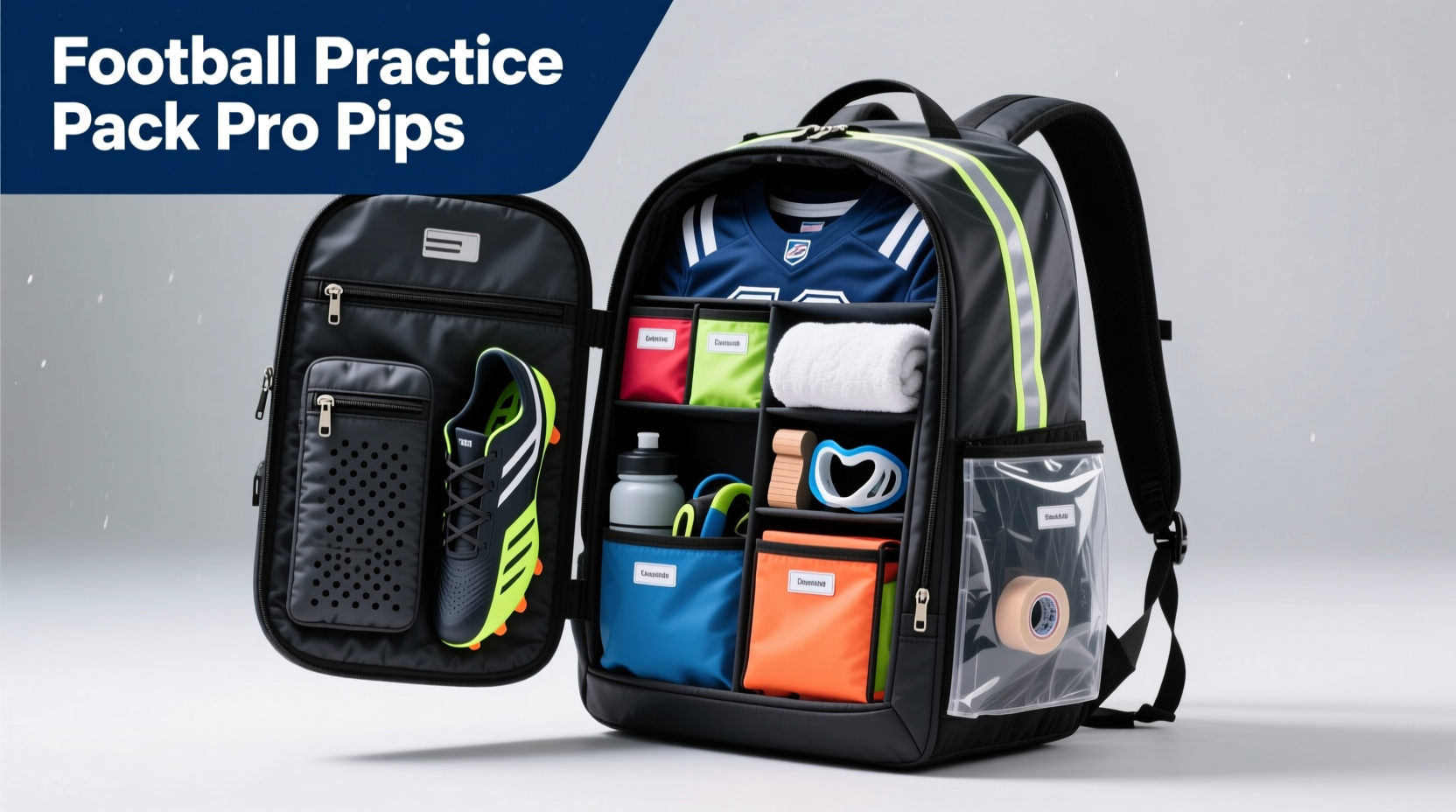
The foundation of an efficient football backpack is knowing exactly what belongs inside it. While individual needs vary slightly by position, team requirements, or weather conditions, most players rely on a core set of items every session. Creating a checklist eliminates guesswork and prevents last-minute scrambles.
Basic Football Practice Checklist
- Cleats (with extra laces)
- Shin guards
- Socks (at least two pairs)
- Practice jersey and shorts
- Undergarments and compression wear
- Water bottle (filled)
- Towel (small, quick-dry preferred)
- First aid kit (band-aids, blister tape, antiseptic wipes)
- Personal medications (e.g., inhaler)
- Notebook and pen (for drills or coach’s notes)
- Phone and charger (preferably portable)
- Mouthguard (if used)
- Warm-up jacket or rain gear (seasonal)
“Preparation is part of performance. If you're scrambling for gear, your mind isn’t on the game.” — Coach Marcus Rivera, High School Varsity Football Coordinator
2. Use the Right Backpack: Choose Function Over Fashion
A well-organized system starts with the right container. Not all backpacks are built for athletic demands. Look for one with multiple compartments, durable material, ventilation for wet items, and padded straps for comfort during transport.
Key Features to Prioritize
| Feature | Why It Matters | Recommended Option |
|---|---|---|
| Separate shoe compartment | Keeps dirty cleats isolated from clean gear | Ventilated bottom compartment |
| Insulated water bottle sleeve | Keeps drinks cool longer | Neoprene-lined side pocket |
| Mesh pockets for wet items | Allows airflow and reduces mildew | Side or main chamber mesh panels |
| Dedicated laptop/tablet sleeve | Protects electronics if used for film study | Padded internal sleeve (15” max) |
| External zip pockets | Quick access to small essentials | Front or side zipper for keys, wallet, phone |
Avoid single-compartment bags—they encourage clutter. Instead, opt for tactical-style sports backpacks designed specifically for athletes. Brands like Nike, Adidas, and Under Armour offer models with smart internal layouts that support organization by category.
3. Organize by Zone: Apply the “Top-to-Bottom” Packing Method
Efficiency comes from consistency. Using a standardized packing system ensures you always know where things are, even in low-light locker rooms or early morning rushes. The “top-to-bottom” method assigns zones based on frequency of use and cleanliness level.
Zones of the Football Backpack
- Bottom Zone – Dirty & Bulky Items: Cleats, used towels, muddy socks. Use a ventilated shoe compartment or waterproof sack.
- Middle Zone – Core Gear: Shin guards, practice clothes, compression wear. Fold neatly and store in main compartment.
- Upper Zone – Immediate Access: Water bottle, notebook, phone, keys. Keep in outer pockets or top flap.
- Side Pockets – Hydration & Small Tools: One side for water, the other for first aid, lip balm, energy snacks.
- Front Pocket – Daily Essentials: ID, cash, hand sanitizer, earbuds—items needed before or after practice.
4. Real-World Example: How a College Freshman Avoided Constant Delays
Jalen, a freshman linebacker at a Division II university, started the season late to nearly every practice. He’d forget his mouthguard, misplace his cleats, or show up without a towel. After missing a conditioning test due to unpreparedness, his position coach sat him down and suggested a system.
Jalen invested in a new backpack with dedicated compartments and created a color-coded checklist: red for “must-have,” yellow for “sometimes-needed,” green for “optional.” He began packing immediately after dinner each night. Within two weeks, he was the first player on the field. His coach noted improved focus and punctuality, which translated into more reps and faster integration into the starting rotation.
This wasn’t about willpower—it was about structure. Jalen didn’t become more disciplined overnight; he simply removed the friction from preparation.
5. Maintain Cleanliness and Prevent Odor Buildup
A smelly backpack undermines even the best organizational system. Damp socks, sweaty pads, and leftover protein bars create bacterial growth and unpleasant odors. Regular maintenance keeps your bag fresh and extends its lifespan.
Weekly Maintenance Routine
- Empty all contents and shake out debris.
- Wipe interior with disinfectant wipe or damp cloth.
- Remove and wash removable liners or pouches.
- Leave open to air dry overnight in a well-ventilated area.
- Use odor absorbers like charcoal bags or baking soda packets.
“Odor control starts with airflow. Never stuff a wet towel into a sealed compartment.” — Dr. Lena Torres, Sports Equipment Hygiene Researcher
Frequently Asked Questions
How do I keep my cleats from smelling up the whole bag?
Let cleats air out for 10–15 minutes post-practice before storing. Use a breathable shoe bag or sprinkle odor-absorbing powder inside. Some players keep a small silica gel pack in the shoe compartment to absorb moisture.
Should I have separate bags for games and practice?
For elite or collegiate athletes, yes. Game bags often carry additional items like gameday apparel, medical tape, or personalized gear. However, most high school or recreational players can use one versatile bag with a changeable setup depending on the day.
What’s the best way to carry electronic devices safely?
Always use the padded laptop sleeve or a protective case. Avoid placing phones directly against water bottles—condensation can seep in. Consider a waterproof phone pouch if you play in rainy climates.
Conclusion: Turn Organization Into a Competitive Advantage
Organizing your football practice backpack might seem like a minor detail, but it’s a reflection of your overall approach to the sport. When your gear is consistently in place, you eliminate distractions, conserve mental energy, and arrive at practice with focus and confidence. This level of preparedness doesn’t just prevent missed items—it builds discipline, professionalism, and respect from coaches and teammates.




 浙公网安备
33010002000092号
浙公网安备
33010002000092号 浙B2-20120091-4
Comments
No comments yet. Why don't you start the discussion?