
As temperatures shift between seasons, the right jacket becomes indispensable. Spring and autumn bring unpredictable weather—cool mornings, warm afternoons, sudden showers—making versatility crucial. But not all jackets are built to endure year after year. Investing in a high-quality transitional jacket means prioritizing durability, comfort, and thoughtful design. With so many options on the market, knowing what to look for separates a lasting piece from one destined for early obsolescence.
1. Prioritize Fabric Quality and Performance
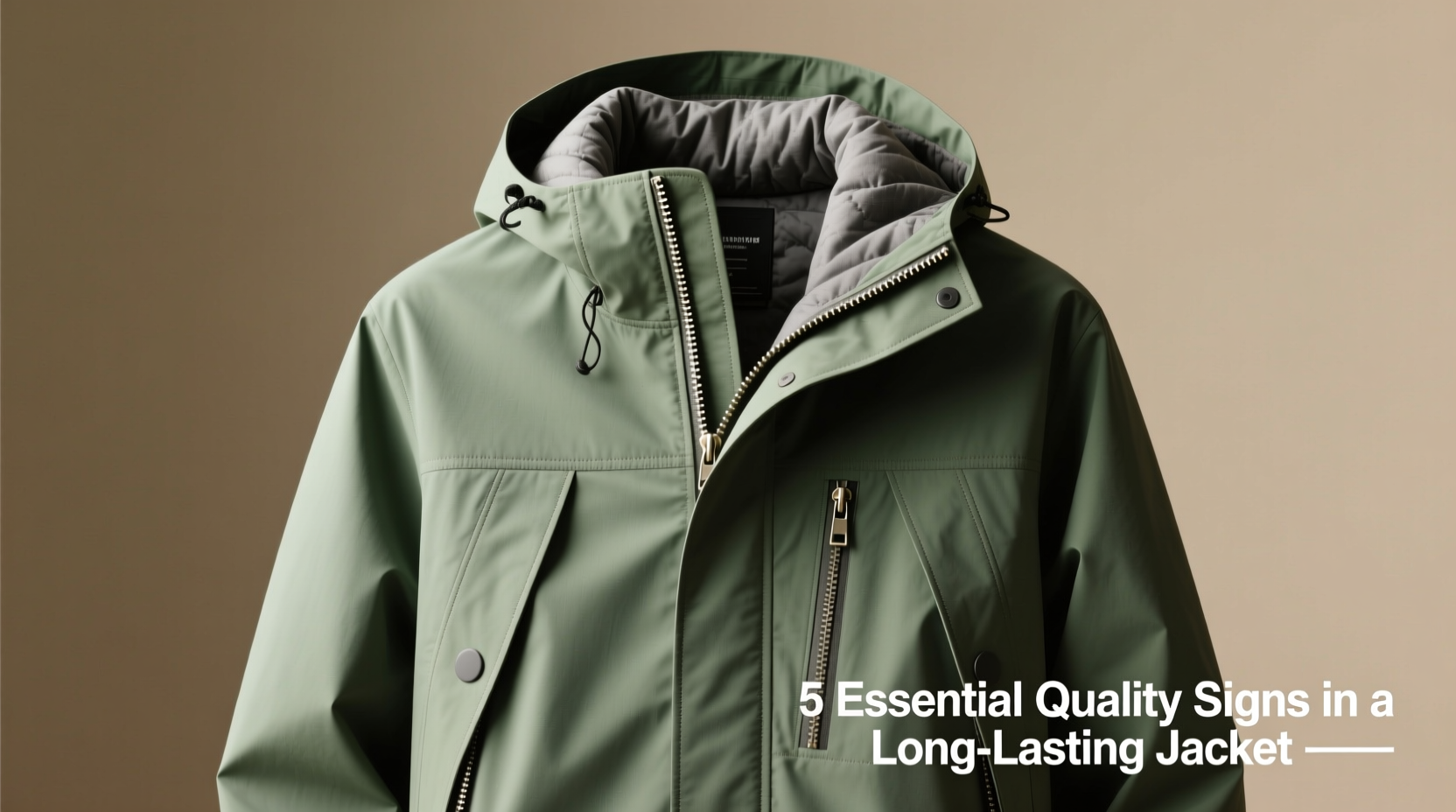
The foundation of any durable jacket lies in its fabric. For spring and autumn, you need materials that balance breathability, water resistance, and moderate insulation. Natural fibers like wool and cotton offer excellent breathability and timeless appeal, while technical synthetics such as nylon and polyester excel in moisture management and wind resistance.
Look for tightly woven fabrics with a soft hand feel but substantial weight. A lightweight jacket shouldn’t feel flimsy. Materials like ripstop nylon, gabardine, or heavyweight cotton twill resist abrasion and tearing over time. Blends, such as cotton-polyester or wool-nylon, often combine the best properties of both worlds: natural comfort with synthetic resilience.
Water resistance is another key factor. While full waterproofing may be excessive for mild conditions, a Durable Water Repellent (DWR) finish helps shed light rain. Check whether the jacket uses taped seams or a membrane (like Gore-Tex or similar) if you expect frequent wet weather. However, avoid overly coated fabrics unless necessary—they can reduce breathability and crack over time.
2. Examine Construction and Stitching Details
A jacket’s longevity depends heavily on how it’s assembled. Seams are stress points, so reinforced stitching is non-negotiable. Look for double-stitched or bar-tacked seams at high-movement areas like shoulders, pockets, and underarms. These prevent unraveling and reinforce structural integrity.
Zippers should glide smoothly and be made from metal or high-grade YKK plastic. Avoid exposed zippers without storm flaps in wet climates—they wear faster and allow moisture ingress. Buttons must be securely attached, ideally with shanks rather than flat backs, and preferably backed with reinforcement stitching.
Lining matters too. A full or partial lining reduces friction between the outer shell and your clothing, minimizing internal wear. Polyester taffeta or brushed tricot linings are common and effective. Jackets without lining may feel lighter but tend to fray internally over time, especially when worn over rough fabrics.
“Stitch density tells you more about longevity than brand labels ever could. Aim for 8–12 stitches per inch—fewer indicates rushed production.” — Daniel Reed, Outerwear Manufacturing Consultant
3. Assess Fit and Functional Design
A well-fitting jacket enhances both comfort and performance. It should allow room for layering—a light sweater or hoodie—without restricting movement. Shoulder seams should align with the edge of your shoulders; sleeves should reach just past the wrist bone when arms are down.
Pay attention to functional design elements: adjustable hoods, cuffs, and hems let you customize protection against wind and rain. Pit zips or underarm vents improve breathability during active use. Multiple secure pockets—especially zippered or flap-covered—are practical for storing essentials without sagging.
Proportion matters. Oversized styles may seem trendy, but excess fabric increases wind resistance and accelerates wear at stress points. Conversely, too-tight a fit strains seams and limits layering options. Try the jacket on with mid-weight layers to simulate real-world use.
4. Compare Materials and Features: Do’s and Don’ts
| Feature | Do’s | Don’ts |
|---|---|---|
| Fabric Weight | Choose medium-weight (8–12 oz/sq yd) for versatility | Avoid ultra-thin materials that tear easily |
| Seams | Look for double stitching and bar tacks at joints | Don’t buy jackets with loose threads or skipped stitches |
| Zipper Quality | Prefer YKK or equivalent metal zippers | Don’t trust flimsy plastic zippers on critical closures |
| Hood Design | Select adjustable, helmet-compatible hoods if needed | Don’t overlook fixed hoods that can’t be stowed |
| Ventilation | Opt for pit zips or mesh-lined pockets | Don’t ignore breathability in favor of total coverage |
5. Real-World Example: Choosing Between Two Jackets
Consider Sarah, a urban commuter who walks 30 minutes to work daily. She needs a jacket that handles drizzle, wind, and variable temperatures across March and October. She compares two options:
- Jacket A: $90, unbranded, polyester shell, single stitching, plastic zipper, no lining, hood sewn permanently to collar.
- Jacket B: $180, reputable outdoor brand, nylon-cotton blend, double-stitched seams, YKK zipper, partial mesh lining, detachable hood, pit zips.
At first glance, Jacket A seems cost-effective. But within one season, the zipper fails, seams split at the shoulders, and the fabric shows scuff marks. Jacket B, though pricier, remains fully functional after three years of regular use. The initial investment pays off in reliability and reduced replacement frequency.
Step-by-Step Guide to Evaluating a Jacket In-Store or Online
- Check the label: Identify fabric composition and care instructions. Natural blends with synthetic reinforcement often perform best.
- Inspect seams and hems: Run fingers along inside seams. Are they clean, tight, and consistent? No loose threads or uneven stitching.
- Test the zipper: Open and close multiple times. Does it catch? Is there a garage at the end to protect the fabric?
- Pull gently on stress points: Tug at pocket corners, cuff attachments, and hood base. Nothing should gape or deform permanently.
- Assess weight and drape: Hold the jacket. Does it feel substantial without being stiff? It should hang naturally, not crumple like paper.
- Try it on with layers: Wear a sweater underneath. Move your arms, bend forward. Ensure mobility and no strain on seams.
- Research brand reputation: Look for warranties, repair programs, or customer reviews focused on long-term durability.
Frequently Asked Questions
How do I know if a jacket is truly water-resistant?
Check for a DWR (Durable Water Repellent) finish and sealed seams. Spray a small drop of water on the fabric—it should bead up, not soak in immediately. Also, look for features like storm flaps over zippers.
Are expensive jackets always better quality?
Not always, but price often reflects material quality, labor standards, and testing. Extremely low-priced jackets typically cut corners on fabric weight, stitching, and hardware. Mid-range to premium brands with transparent sourcing tend to offer the best value over time.
Can I repair a jacket instead of replacing it?
Yes. Many manufacturers offer repair services. Small tears, broken zippers, or detached linings can often be fixed affordably. Learning basic sewing skills or using a tailor extends a jacket’s life significantly—sometimes doubling it.
Final Thoughts: Build a Wardrobe That Lasts
A high-quality spring and autumn jacket isn’t defined by logos or trends—it’s measured by how well it performs season after season. By focusing on fabric integrity, construction precision, and intelligent design, you make choices that save money, reduce waste, and simplify your daily routine.
Next time you’re shopping, pause before clicking “add to cart” or handing over your card. Ask: Will this withstand rain, wind, and repeated wear? Does it fit my body and lifestyle? Can I imagine wearing this two, five, even ten years from now?




 浙公网安备
33010002000092号
浙公网安备
33010002000092号 浙B2-20120091-4
Comments
No comments yet. Why don't you start the discussion?