
Shoulder bags are a staple of modern life—ideal for commuting, traveling, or running errands. But when the weather turns harsh, moisture from rain and snow can compromise both function and longevity. Water damage isn’t just about damp contents; it can warp materials, promote mold growth, and degrade stitching over time. Whether your bag is made of leather, canvas, nylon, or recycled fabric, proactive protection makes all the difference. The right care routine ensures your bag remains reliable, stylish, and functional through every season.
Choose Weather-Resistant Materials Wisely
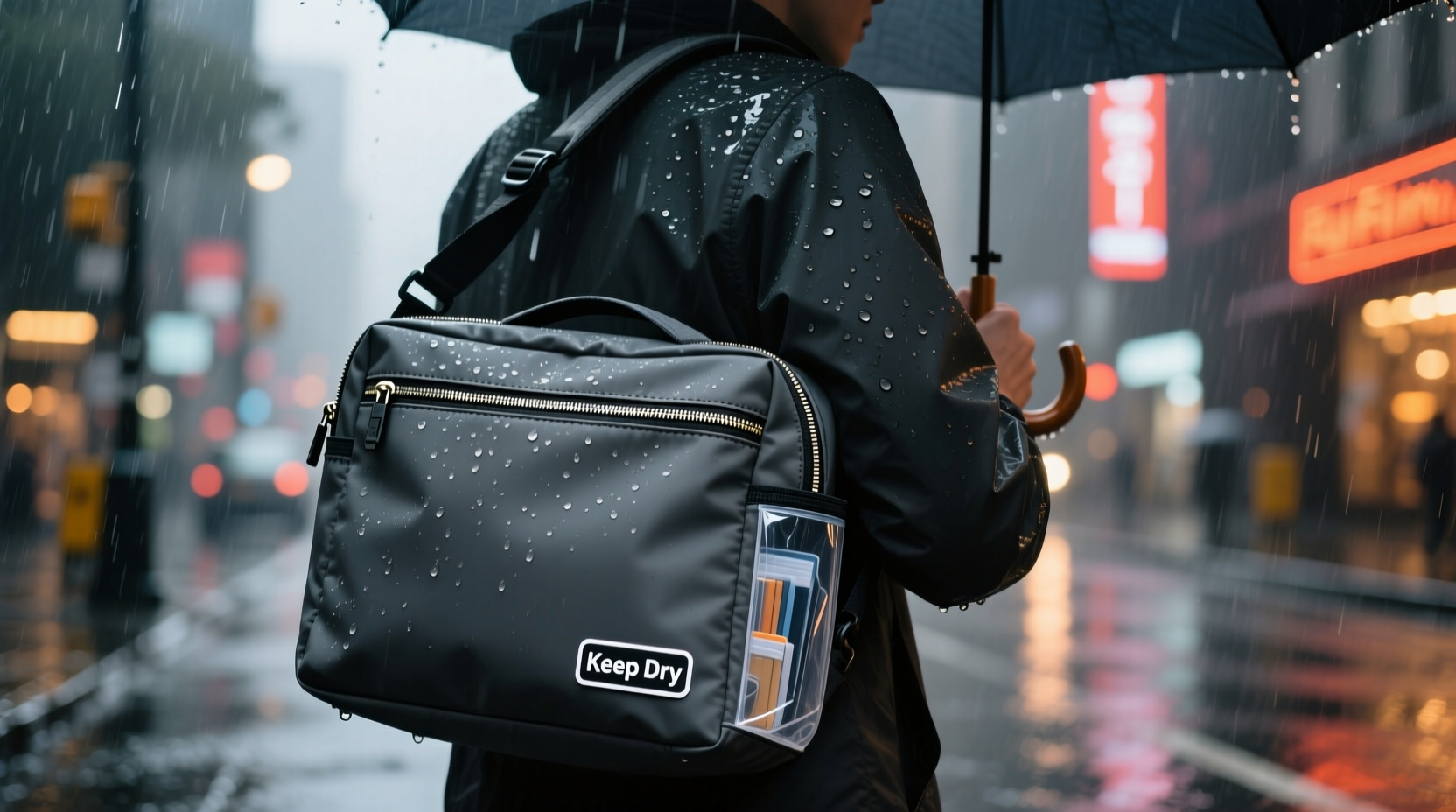
The first line of defense starts before you even step outside: selecting a bag built to withstand moisture. Not all materials respond the same way to wet conditions. Natural fibers like untreated cotton or suede absorb water quickly and are difficult to dry without warping or staining. In contrast, synthetic fabrics such as ballistic nylon, polyester, or coated canvas offer inherent water resistance.
Leather, while durable, requires special attention. Full-grain leather can handle light moisture if treated properly, but prolonged exposure leads to stiffness and discoloration. Look for bags labeled “water-resistant” rather than “waterproof”—true waterproofing often sacrifices breathability and comfort.
Use Protective Covers and Liners
Even the most resilient bags benefit from an added layer of protection. Waterproof rain covers—compact, lightweight, and often foldable—are designed specifically for shoulder bags and backpacks. These slip over the entire bag, shielding it from downpours and slushy sidewalks alike. Many outdoor gear brands include them as accessories, but universal-fit models are widely available.
Inside the bag, use removable liners made from wipeable materials like TPU-coated fabric or silicone. These prevent spills and seepage from damaging internal compartments. For those carrying electronics, place devices in sealed neoprene sleeves before placing them inside, adding another moisture barrier.
| Protection Type | Best For | Lifespan (With Regular Use) |
|---|---|---|
| Rain cover (nylon with PU coating) | Sudden storms, daily commutes | 2–3 years |
| Silicone interior liner | Preventing internal dampness | 1–2 years |
| Wax-based leather conditioner | Natural material upkeep | 6–12 months per application |
Implement a Step-by-Step Drying Protocol
If your bag does get wet, immediate action prevents long-term damage. Never toss it near a heater or leave it in direct sunlight—the rapid drying process causes cracking, especially in leather and glued seams. Instead, follow this timeline:
- Remove contents immediately – Prevent moisture transfer to documents, electronics, or cosmetics.
- Wipe exterior gently – Use a microfiber cloth to blot excess water. Avoid rubbing, which can push moisture deeper into fibers.
- Unzip all compartments – Maximize airflow to reduce trapped humidity.
- Air-dry at room temperature – Place the bag upright in a well-ventilated area, away from heat sources.
- Insert absorbent material – Crumpled paper towels or silica gel packets help draw out internal moisture.
- Condition after drying – Once fully dry (usually 24–48 hours), apply a manufacturer-recommended protector.
This method preserves structural integrity and minimizes the risk of mildew, particularly important for fabric-lined bags used in snowy climates where salt residue can corrode zippers and hardware.
Real-World Example: A Commuter’s Winter Challenge
Sarah, a graphic designer in Montreal, relied on her favorite waxed-canvas shoulder bag year-round. During a particularly icy January, she noticed white streaks forming along the seams and a musty odor developing inside. After consulting a repair specialist, she learned that road salt had reacted with residual moisture, accelerating fabric breakdown.
She adjusted her routine: now, she uses a detachable rain hood during snowfall, wipes down the bag with a damp cloth after each salty commute, and applies a fluoropolymer spray monthly in winter. Six months later, her bag shows no further degradation and continues to serve her reliably.
“Moisture management isn’t just about staying dry—it’s about understanding how environmental elements interact with materials.” — Marcus Tran, Product Durability Analyst at Urban Gear Labs
Essential Care Checklist for Wet Conditions
- ✅ Apply a water-repellent treatment before winter season
- ✅ Carry a compact rain cover in an accessible pocket
- ✅ Line the interior with a washable, waterproof insert
- ✅ Clean off salt or mud within 2 hours of exposure
- ✅ Store the bag in a breathable cotton dust bag when not in use
- ✅ Rotate between two bags during extended wet periods to allow full drying
Common Mistakes That Accelerate Damage
Even well-intentioned habits can backfire. Some frequent errors include:
- Using household cleaners – Products like Windex or dish soap alter pH balance and strip protective coatings.
- Storing a damp bag – This encourages mold growth, especially in synthetic linings.
- Over-applying waterproof sprays – Excess buildup can clog pores in natural materials, trapping moisture underneath.
- Ignoring zipper maintenance – Moisture and debris cause stiff zippers; clean with a soft brush and lubricate occasionally with paraffin wax.
Frequently Asked Questions
Can I machine-wash my wet shoulder bag?
No. Machine washing agitates seams and fibers, leading to deformation and delamination. Most manufacturers explicitly advise against it. Instead, spot-clean with a mild soap solution and air-dry thoroughly.
How often should I reapply a waterproofing spray?
Every 3–6 months under regular use. In rainy or snowy climates, reapplication every 6–8 weeks is recommended. Always clean the surface first and apply in a well-ventilated area.
Is leather really unsuitable for winter?
Not necessarily—but it demands more care. High-quality, properly conditioned leather performs well in cold weather. However, untreated or low-grade leather absorbs moisture and freezes, increasing the risk of cracking. Limit exposure and maintain a consistent conditioning schedule.
Final Thoughts: Make Protection a Habit
Your shoulder bag carries more than just your essentials—it reflects your lifestyle and priorities. Protecting it from rain and snow isn’t an occasional chore; it’s part of responsible ownership. By choosing smart materials, using physical barriers, drying correctly, and maintaining vigilance against common pitfalls, you extend its life and preserve its appearance.
Weather will always be unpredictable. But with the right preparation, your bag doesn’t have to pay the price. Start today: inspect your current bag, stock up on a rain cover, and schedule your next conditioning session. Small steps now prevent costly replacements later.




 浙公网安备
33010002000092号
浙公网安备
33010002000092号 浙B2-20120091-4
Comments
No comments yet. Why don't you start the discussion?