
Knitted sweaters are timeless staples in any wardrobe, offering warmth, comfort, and effortless style. Yet, their delicate construction makes them prone to stretching, sagging, and losing shape over time. Unlike structured garments, knits rely on fiber memory and proper care to retain their original silhouette. Many people unknowingly damage their favorite sweaters through improper washing or storage, only noticing distortion after it’s too late. The good news is that with mindful maintenance and a few restoration techniques, you can preserve—and even revive—the shape of your knits for years.
Understanding Why Knitwear Loses Its Shape
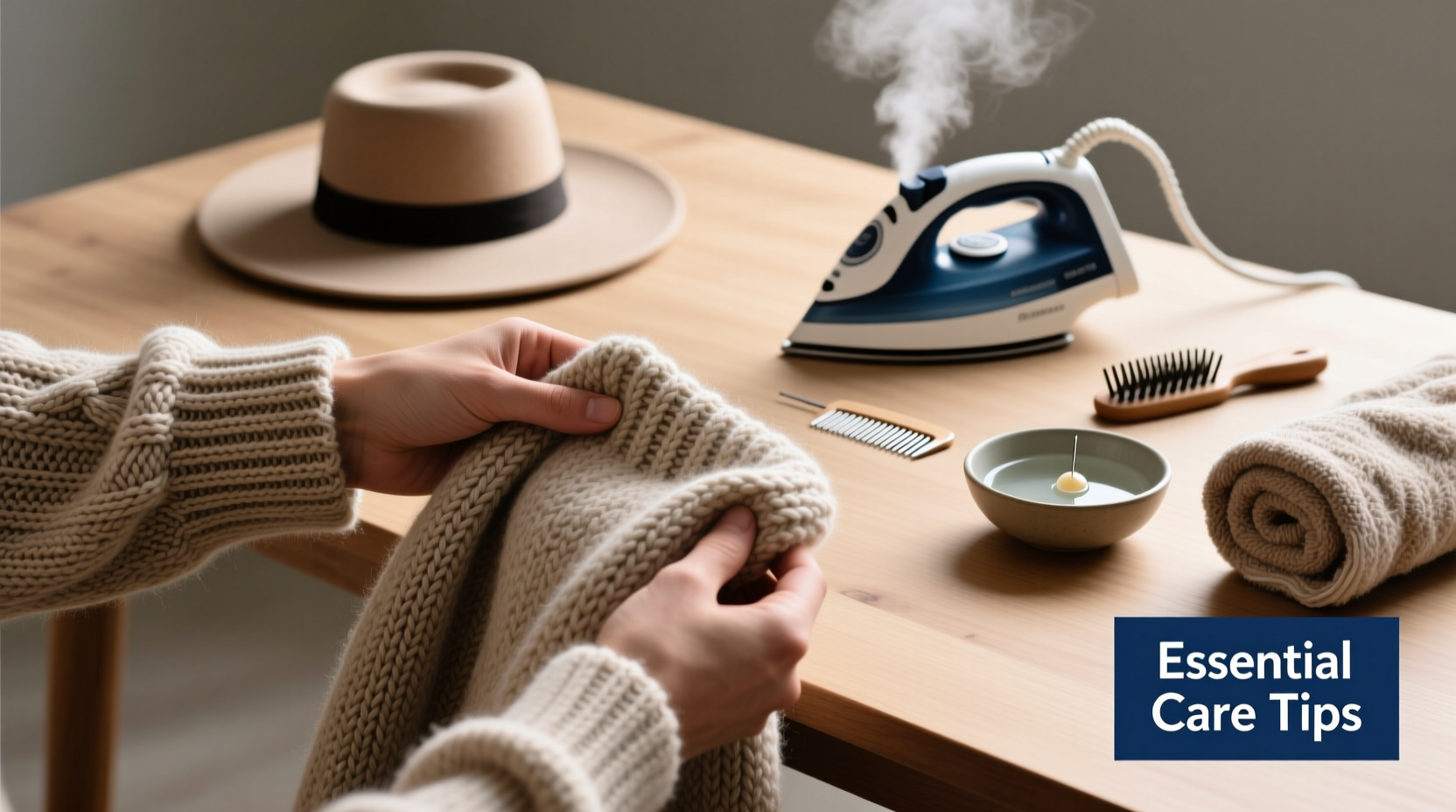
Knitted fabrics are made from interlocking loops of yarn, which gives them flexibility but also makes them vulnerable to gravitational pull and mechanical stress. When exposed to heat, moisture, or agitation, natural fibers like wool, cashmere, and cotton relax and stretch. Over time, repeated wear without rest periods causes fibers to fatigue, leading to drooping shoulders, elongated sleeves, or a misshapen body. Synthetic blends may hold form better but often trap odors and pills more easily.
The key to longevity lies in understanding fiber behavior. Wool has excellent elasticity when cared for correctly, thanks to its scaly outer layer that helps it bounce back. However, exposing it to hot water triggers felt-like matting and irreversible shrinkage. Cotton lacks memory; once stretched, it rarely returns to its original dimensions without intervention. Recognizing these differences allows for tailored care strategies that prevent deformation before it begins.
“Most sweater damage happens not during wear, but in the wash and dry cycle. Gentle handling is non-negotiable.” — Lena Torres, Textile Conservator at The Garment Archive
Proper Washing Techniques to Prevent Distortion
Washing is where most sweater mishaps occur. Machine agitation pulls on wet fibers, while spin cycles wring out shape. To protect your knitwear:
- Turn the sweater inside out to minimize surface abrasion and pilling.
- Use cold water and a mild detergent formulated for delicates or wool (avoid enzymes and bleach).
- Fill a clean basin with water and gently submerge the garment. Swirl slowly—never rub, twist, or wring.
- Soak for no more than 10 minutes to prevent fiber saturation.
- Rinse twice in cold water until suds disappear.
- Press water out by pressing the sweater between your palms—do not lift it while wet.
Restoring Shape After Stretching: A Step-by-Step Guide
If your sweater has already lost its structure, all is not lost. With careful reshaping, you can often recover its original fit. This method works best on natural fibers like wool, alpaca, and cotton.
Step 1: Wash Gently
Begin with a hand-wash using cool water and wool-safe detergent. This resets the fibers and prepares them for realignment.
Step 2: Block the Sweater
Lay a dry towel on a flat surface. Place the damp sweater on top and reshape it to original measurements. Use a measuring tape if needed. Smooth out wrinkles and align seams symmetrically.
Step 3: Pin or Weigh Edges (Optional)
For precise results, especially with lace or open-knit patterns, use rust-proof T-pins to secure edges to a blocking mat. Alternatively, place light weights (like books wrapped in cloth) at corners to hold position.
Step 4: Air Dry Completely
Allow 24–48 hours for full drying. Keep away from direct sunlight and heat sources, which degrade fibers. Do not flip or move the sweater mid-dry.
This process, known as “blocking,” re-trains fibers to remember their intended shape. It’s particularly effective for sweaters that have stretched at the cuffs or hem.
Storage Solutions That Preserve Structure
How you store a sweater impacts its longevity as much as how you wash it. Folding is generally safer than hanging, which stretches shoulder seams. However, folding improperly can create creases or pressure points.
| Fiber Type | Recommended Storage | Avoid |
|---|---|---|
| Wool / Cashmere | Folded in drawer with cedar blocks or lavender sachets | Hanging, plastic bags, mothballs |
| Cotton Knits | Folded on shelf, separated by tissue paper | Damp areas, overcrowded stacks |
| Acrylic Blends | Folded or rolled in breathable cotton storage bins | Direct sunlight, rubber bands |
Real Example: Reviving a Stretched Crewneck Sweater
Sarah, a graphic designer in Portland, inherited her grandfather’s vintage Shetland wool crewneck. After years in a cedar chest, she found it misshapen—sleeves drooped, and the neckline gaped. She avoided machine washing, instead opting for a lukewarm soak with Eucalan wool wash. After pressing out water, she laid the sweater on a mesh drying rack, carefully pulling the cuffs and collar into symmetry. She used small fabric weights to hold the hem straight. After two days of drying, the sweater regained nearly its original proportions. Now, she stores it folded with a breathable cotton pillowcase cover and airings every few months.
Her experience underscores that even decades-old knits can be revived with patience and correct technique.
Checklist: Maintaining Knitwear Shape Long-Term
- ✔ Hand-wash or use delicate cycle with a mesh laundry bag
- ✔ Always lay flat to dry—never hang
- ✔ Reshape immediately after washing
- ✔ Fold, don’t hang, unless using padded hangers for structured cardigans
- ✔ Store in cool, dry, ventilated space with natural pest deterrents
- ✔ Rotate wear to allow fibers recovery time
- ✔ Block annually or after significant stretching
Frequently Asked Questions
Can I put my wool sweater in the dryer?
No. Even low heat can cause shrinking and felting due to agitation and temperature changes. Always air dry flat. If you must use a machine, select a no-heat tumble setting briefly—but this is risky and not recommended.
What if my sweater shrunk? Can I unshrink it?
Yes, sometimes. Soak the sweater in lukewarm water with a tablespoon of hair conditioner for 30 minutes. Gently stretch it back to size while damp, then block as usual. Success depends on fiber type and the extent of shrinkage.
How often should I wash a knitted sweater?
Not after every wear. Most knits only need washing 2–4 times per season unless soiled. Air them out between uses and spot-clean stains. Overwashing accelerates wear and reduces shape retention.
Final Thoughts: Care Is an Investment in Longevity
A well-cared-for knitted sweater can last decades, becoming softer and more personal with age. The effort invested in proper washing, drying, and storage pays off in sustained fit and appearance. By treating each piece with intention—understanding its fibers, respecting its structure, and restoring it when needed—you extend not just its life but its emotional value. These garments carry memories, seasons, and stories. Preserving their shape is really about preserving meaning.




 浙公网安备
33010002000092号
浙公网安备
33010002000092号 浙B2-20120091-4
Comments
No comments yet. Why don't you start the discussion?