
Every year, millions of iPhone users experience the heart-stopping moment when their device slips from their hand and hits the ground. Despite advancements in screen durability and internal engineering, drops remain one of the leading causes of iPhone damage. While Apple designs its phones with resilience in mind, no iPhone is truly drop-proof without proper protection. Shockproof cases are the first line of defense—but not all cases offer equal safety. The real key lies in how you choose, use, and maintain your case to maximize impact resistance.
Understanding what makes a case genuinely shockproof—and how to leverage its full potential—can save you hundreds in repair costs and extend your iPhone’s lifespan. From material science to everyday habits, here’s how to ensure your iPhone survives even the most unexpected tumbles.
Choose the Right Shockproof Design and Materials
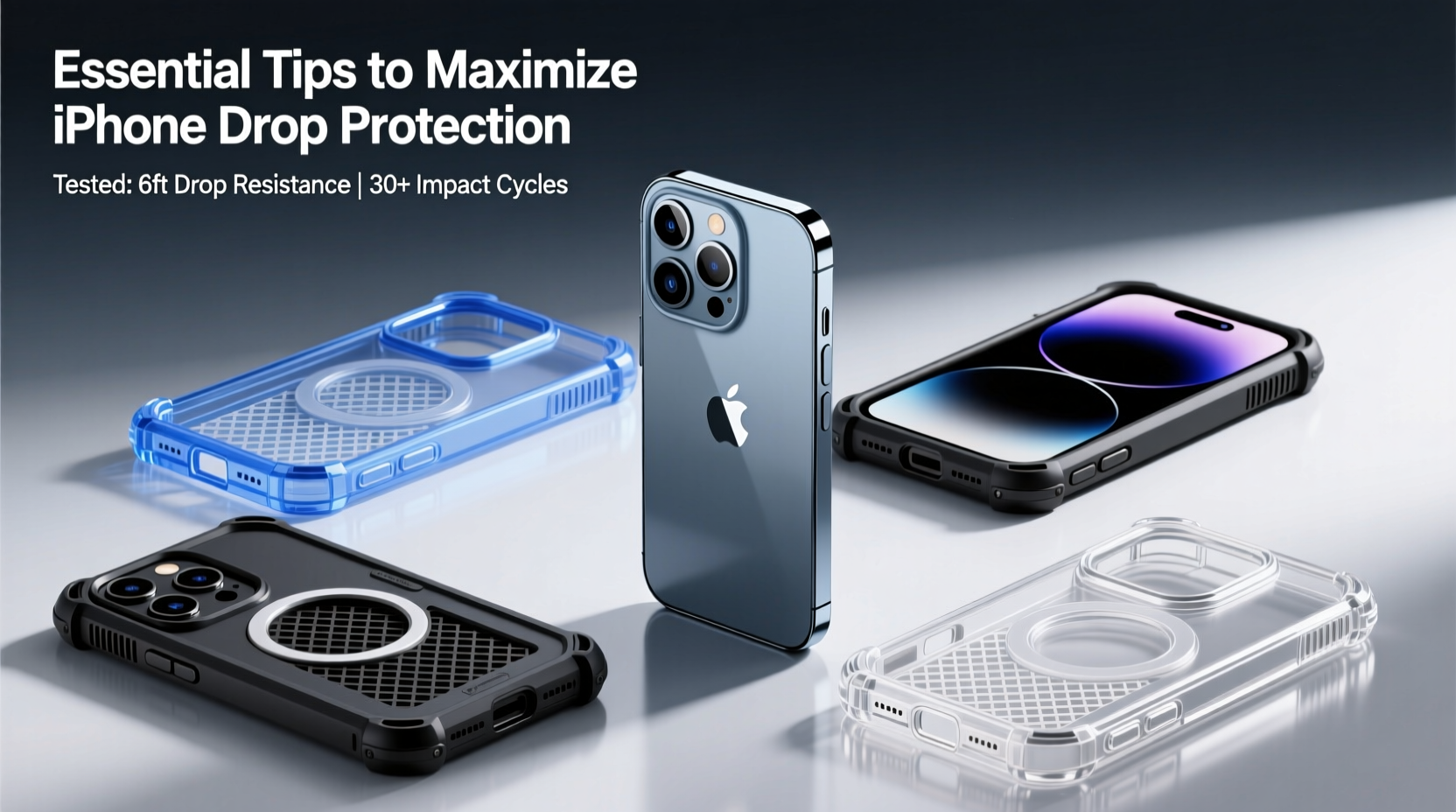
Not all rugged-looking cases deliver on their promises. True shockproof protection relies on specific construction principles: energy absorption, structural reinforcement, and strategic layering. Look for cases that combine multiple materials rather than relying solely on thick plastic or rubber.
A high-performance shockproof case typically features:
- Multi-layer construction: A soft inner TPU (thermoplastic polyurethane) liner cushions the phone, while a rigid outer polycarbonate shell resists deformation.
- Corner reinforcements: Elevated, air-cushioned corners absorb the brunt of impact—the most common point of damage during a drop.
- Drop certification: Cases tested to military-grade standards (MIL-STD-810G or higher) have undergone rigorous drop tests from heights up to 6 feet.
Install and Maintain Your Case Properly
A shockproof case only works if it fits perfectly and remains in optimal condition. Poor installation or wear over time can compromise protection significantly.
- Align ports and buttons precisely. Misaligned cutouts mean pressure points and reduced edge coverage, weakening structural integrity.
- Check for gaps. Run your finger around the edges—if the case doesn’t sit flush, debris or impact force could slip through.
- Clean regularly. Dust, sand, and pocket lint trapped between the case and phone can create micro-scratches and reduce grip.
- Inspect for wear. After 12–18 months, or sooner if dropped frequently, look for cracks, warping, or fading elasticity in the TPU layer.
Replacing your case before it degrades ensures consistent protection. Think of it as tire maintenance—preventive action beats emergency repair.
Pair Your Case with Smart Usage Habits
No case can guarantee 100% protection if the user consistently places the phone at risk. Combine hardware with behavior to reduce fall frequency and severity.
| Habit | Risk Level Without Case | Risk Level With Proper Case |
|---|---|---|
| Using phone near edges (beds, counters) | High | Medium |
| Walking while texting | Very High | Medium-High |
| Carrying in back pocket | High | Medium |
| Using with wet or greasy hands | Very High | High |
The data shows that even with a top-tier case, risky behaviors increase the chance of damage. Elevating your awareness reduces reliance on passive protection alone.
Mini Case Study: Office Worker vs. Construction Manager
Jamie, an office administrator, uses her iPhone daily but keeps it on her desk or in a bag. She installed a slim silicone case and has never dropped it. Meanwhile, Marcus, a construction site supervisor, carries his iPhone in his back pocket, walks on uneven terrain, and frequently pulls it out with dusty gloves. Despite owning the same model, he went through three iPhones in two years—until he invested in a MIL-STD-certified shockproof case with raised lips and a belt clip holster.
After switching, Marcus hasn’t had a single screen crack—even after dropping it from waist height onto concrete twice. His case absorbed the shock, and the holster eliminated fumbling. This illustrates how environment and usage intensity dictate the level of protection needed.
Expert Insight: What Engineers Say About Impact Resistance
“Most consumers don’t realize that 80% of drop damage comes from corner impacts. A well-designed case must prioritize energy dispersion at those points—not just overall thickness.” — Dr. Lena Torres, Materials Engineer at Mobile Safety Labs
Dr. Torres’ research confirms that structural geometry matters more than bulk. Cases with honeycomb patterns inside the corners, or those incorporating air pockets, perform better than uniformly thick models. She also emphasizes that repeated small drops degrade internal components over time—even without visible cracks—so consistent protection is critical.
Step-by-Step Guide to Maximizing Drop Protection
Follow this timeline-based approach to ensure your iPhone stays protected long-term:
- Week 1: Select & Install
Select a case with MIL-STD certification, raised bezels, and port covers if used outdoors. Install carefully, ensuring full contact along all edges. - Month 1: Test Fit & Comfort
Use the phone daily to assess button responsiveness, wireless charging compatibility, and grip. Return if adjustments are needed. - Every 3 Months: Clean & Inspect
Remove the case, clean both surfaces with isopropyl alcohol wipes, and check for cracks or compression fatigue. - Every 12–18 Months: Replace Proactively
Even undamaged TPU yellows and hardens over time, reducing shock absorption. Schedule replacement like you would a phone update. - Ongoing: Pair with Accessories
Add a lanyard, pop socket, or armband in high-motion environments to minimize accidental drops.
Frequently Asked Questions
Do shockproof cases affect wireless charging?
Most modern shockproof cases support wireless charging, especially those under 3mm thickness at the center. However, bulky models with metal components or excessive layering may interfere. Always verify compatibility before purchase.
Can I use a screen protector with a shockproof case?
Absolutely—and you should. A tempered glass screen protector adds another layer of defense. Ensure it’s edge-to-edge and slightly smaller than the case’s front lip so the case, not the screen, makes first contact during a face-down drop.
Are expensive brands always better?
Not necessarily. Brands like OtterBox and Supcase have strong reputations due to third-party testing, but several mid-tier options (e.g., JETech, Spigen Rugged Armor) offer comparable MIL-STD ratings at lower prices. Focus on specifications, not logos.
Conclusion: Build a Realistic Defense Strategy
Your iPhone is a precision instrument, not a tool built for abuse. Yet in real life, it faces daily risks—from bathroom counters to hiking trails. Relying on luck isn’t a strategy; combining a scientifically designed shockproof case with mindful handling is.
Start by choosing a case based on evidence, not aesthetics. Install it correctly, maintain it diligently, and replace it before performance declines. Align your habits with your environment, and consider adding physical safeguards like straps or mounts when active.




 浙公网安备
33010002000092号
浙公网安备
33010002000092号 浙B2-20120091-4
Comments
No comments yet. Why don't you start the discussion?