
Designer handbags are more than accessories—they're investments. Crafted with precision from fine leathers, exotic skins, or delicate textiles, these pieces demand thoughtful care to preserve their beauty and value. A single scratch can diminish both aesthetic appeal and resale worth. Yet, with consistent, informed maintenance, your bag can remain pristine for years. This guide delivers actionable strategies rooted in professional craftsmanship and material science, ensuring your luxury handbag stays as radiant as the day you bought it.
1. Handle with Care: The Foundation of Scratch Prevention
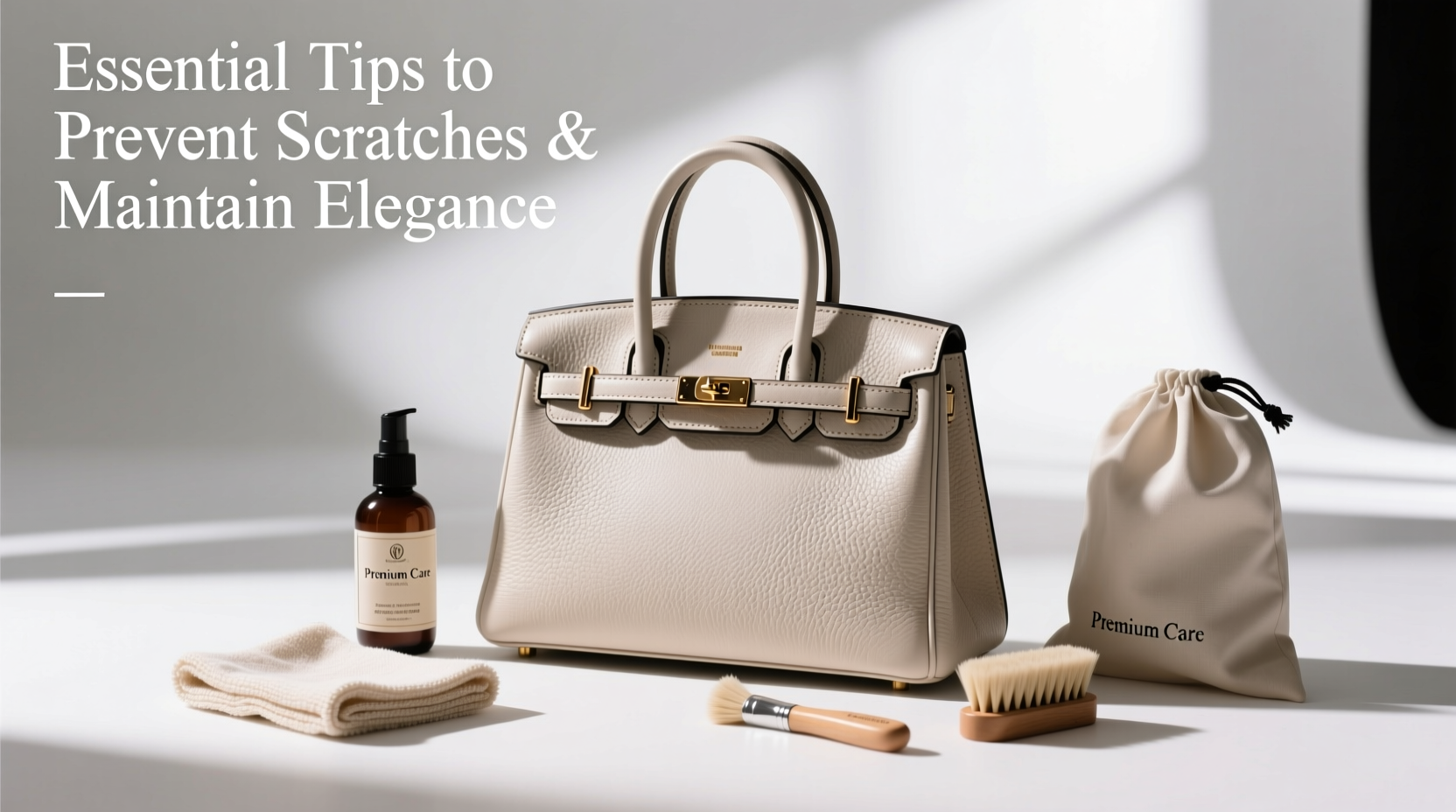
The first line of defense against scratches begins with how you handle your bag. Daily wear exposes it to keys, jewelry, rough surfaces, and accidental bumps. Even seemingly harmless actions—like placing your bag on a restaurant floor or letting it dangle off a chair—can lead to micro-abrasions that accumulate over time.
Always lift your bag by its sturdiest part, such as reinforced handles or straps, rather than pulling on delicate corners. When setting it down, use a protective surface like a clean towel or a designated bag stand. Avoid placing it directly on tile, concrete, or wooden floors, which often harbor grit that scuffs leather.
2. Proper Storage: Shape, Breathability, and Protection
How you store your bag when not in use is just as critical as how you carry it. Improper storage leads to warping, creasing, and environmental damage that weakens materials and makes them more prone to scratching.
Never store your handbag in plastic. Plastic traps moisture, encouraging mold and drying out natural leather. Instead, use the dust bag provided by the brand—it allows airflow while shielding against dust and light. For structured bags, stuff them lightly with acid-free tissue paper or soft cotton cloths to maintain shape without over-stretching seams.
“Consistent care and proper storage can double a bag’s lifespan.” — Emma Clarke, Fashion Care Expert
| Material Type | Recommended Storage | Avoid |
|---|---|---|
| Smooth Leather (e.g., Calfskin) | Dust bag, cool dry place, stuffed to hold form | Direct sunlight, plastic bins, humid areas |
| Suede or Nubuck | Vertical position in breathable cloth, away from moisture | Water exposure, compressed stacking |
| Exotic Skins (e.g., Crocodile, Python) | Climate-controlled space, original box with padding | Heat sources, folding, rough handling |
| Canvas & Textile (e.g., Monogram, Denim) | Clean interior, dust-covered, upright | Damp basements, direct heat |
3. Cleaning Routines That Protect, Not Harm
Cleaning isn’t just about removing dirt—it’s about preserving finish integrity. Many owners unknowingly accelerate wear by using household cleaners, baby wipes, or water-heavy methods that strip natural oils from leather or cause staining on delicate fabrics.
For smooth leather, use a specialized leather cleaner applied sparingly with a microfiber cloth. Gently wipe in one direction, avoiding circular motions that can swirl residue. After cleaning, condition the leather every 4–6 weeks with a pH-balanced product to replenish moisture and create a subtle protective barrier.
Suede and nubuck require different tools: a soft-bristled suede brush or eraser designed for texture restoration. Never apply liquid cleaners unless specified by the manufacturer. For canvas bags, spot-clean with a barely damp cloth and mild soap; never saturate the material.
Step-by-Step: Monthly Bag Maintenance Routine
- Empty completely: Remove all contents, including loose change and receipts that can press into lining.
- Dust exterior: Use a dry microfiber cloth to gently remove surface particles.
- Inspect for stains: Address spots immediately with appropriate cleaner.
- Clean hardware: Wipe metal zippers and clasps with a silver polishing cloth or a soft rag dipped in diluted vinegar (for tarnish).
- Condition leather: Apply a pea-sized amount of conditioner to a cloth and buff in thin layers.
- Rotate storage position: Change the bag’s orientation monthly to prevent permanent creases.
4. Real-World Example: From Scratched Strap to Showroom Shine
Sophia, a consultant based in Chicago, purchased a limited-edition burgundy shoulder bag during Paris Fashion Week. Within three months, the front flap developed fine scratches near the clasp—likely from repeated contact with her desk edge and keys stored inside. Initially distressed, she consulted a luxury handbag restoration specialist who advised a two-phase approach: gentle buffing with a chamois cloth and application of a color-matched leather balm. After six weeks of bi-weekly conditioning and behavioral adjustments—such as using a separate key pouch and avoiding leaning the bag against hard surfaces—the scratches faded significantly. More importantly, Sophia adopted a preventive mindset, now treating her bag like archival art: handled deliberately, stored properly, and maintained proactively.
5. Common Mistakes That Accelerate Damage
Even well-intentioned owners make errors that compromise their bag’s longevity. Recognizing these pitfalls is half the battle.
- Overstuffing: Stretching the bag beyond capacity stresses stitching and distorts shape, making corners vulnerable to chipping.
- Ignoring hardware care: Tarnished zippers and buckles can scratch adjacent surfaces during use.
- Using generic wipes: Alcohol-based or citrus-infused wipes degrade finishes and leave sticky residues.
- Neglecting seasonal rotation: Wearing the same bag daily increases exposure and wear patterns.
- Storing near windows: UV rays fade colors and embrittle leather, especially on lighter shades.
Checklist: Weekly Handbag Care Essentials
- ✔ Empty and shake out interior
- ✔ Wipe exterior with dry microfiber cloth
- ✔ Check for loose threads or damaged lining
- ✔ Clean metal hardware with polishing cloth
- ✔ Re-stuff with tissue to maintain structure
- ✔ Rotate to alternate storage position
Frequently Asked Questions
Can I use coconut oil to condition my leather bag?
No. While natural, coconut oil can darken light leathers, attract dust, and go rancid over time. Always use a product specifically formulated for luxury handbags, such as Saphir Médaille d’Or or Bickmore.
How do I protect my bag from rain without ruining the finish?
Most smooth leathers have some water resistance but should never be soaked. If caught in rain, blot gently with a dry cloth and air-dry at room temperature—never near a heater. For frequent wet weather, consider a professional waterproofing spray designed for luxury goods.
Is it safe to store multiple bags together?
Only if they’re separated by dust bags and not stacked heavily. Never allow lighter-colored bags to touch darker ones, as dye transfer can occur. Store each bag individually in a climate-stable closet or shelf unit.
Conclusion
Maintaining the elegance of a designer handbag isn’t about perfection—it’s about consistency. Every mindful action, from where you set your bag down to how often you condition the leather, contributes to its enduring allure. These habits don’t just prevent scratches; they honor the craftsmanship behind every stitch and panel. By integrating smart storage, gentle cleaning, and attentive handling into your routine, you ensure your investment remains a statement of sophistication for years to come.




 浙公网安备
33010002000092号
浙公网安备
33010002000092号 浙B2-20120091-4
Comments
No comments yet. Why don't you start the discussion?