
A waterproof watch is more than a timekeeping tool—it's an investment in precision, durability, and style. Whether worn daily, during sports, or underwater, its ability to resist water depends not just on initial construction but on consistent care. Over time, seals degrade, gaskets wear out, and exposure to harsh elements can compromise integrity. The good news: with informed maintenance, you can extend your watch’s functional life by years. Understanding how to preserve its waterproofing isn’t optional; it’s essential for performance and longevity.
Understand What \"Waterproof\" Really Means
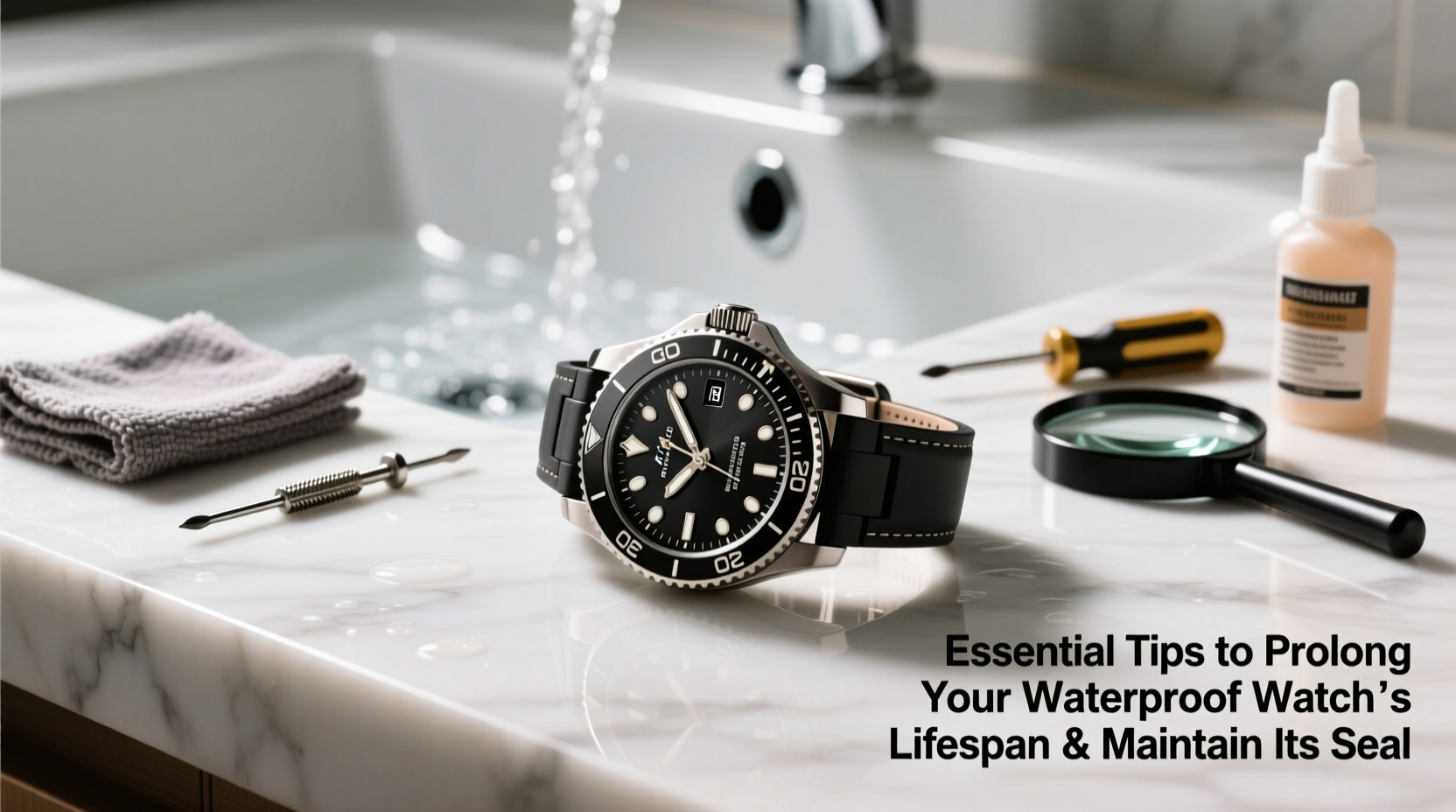
The term “waterproof” is often misunderstood. No watch is truly impervious to water forever. Instead, manufacturers rate watches using terms like “water-resistant” at specific depths—30m, 50m, 100m, etc.—indicating test conditions under controlled environments. Real-world use introduces variables: temperature changes, chemical exposure, and mechanical stress that affect seals.
For example, a 50-meter water-resistant watch is suitable for swimming but not scuba diving. Misusing a watch beyond its rating accelerates seal degradation. Always check your model’s specifications and respect its limits.
Maintain the Integrity of Seals and Gaskets
The primary defense against moisture lies in rubber gaskets located at the case back, crown, and crystal. These compressible rings create tight seals but are vulnerable to drying, cracking, and deformation over time. Exposure to UV light, salt, chlorine, and extreme temperatures weakens them.
To preserve gasket health:
- Clean the watch after contact with saltwater or chlorinated pools using fresh water.
- Avoid prolonged sun exposure when wearing the watch—heat expands metal and contracts rubber, stressing seals.
- Ensure the crown is fully screwed down (if applicable) before any water contact.
“Gaskets should be inspected every 1–2 years. A microscopic crack can let in moisture long before you notice fogging.” — Daniel Reyes, Master Watchmaker at ChronoGuard Services
Follow a Proactive Maintenance Schedule
Like any precision instrument, a waterproof watch requires periodic servicing. Most manufacturers recommend pressure testing and gasket replacement every 1–2 years, especially if used frequently in aquatic environments.
A professional service includes:
- Disassembling key components to inspect gaskets.
- Cleaning old lubricants and replacing dried seals.
- Reassembling and conducting a pressure test to verify water resistance.
- Checking for case corrosion or thread wear on screw-down crowns.
Neglecting this cycle leads to silent failures—moisture creeping in unnoticed, causing internal condensation, dial damage, or movement corrosion.
Recommended Service Timeline by Usage Level
| Usage Level | Service Interval | Key Actions |
|---|---|---|
| Occasional Swimming | Every 2 Years | Gasket inspection, pressure test |
| Regular Snorkeling/Diving | Annually | Full seal replacement, lubrication, depth simulation test |
| Rare Water Contact | Every 3 Years | Basic seal check, battery replacement if needed |
Avoid Common Environmental Hazards
Many owners unknowingly expose their watches to damaging conditions. Everyday scenarios pose risks:
- Hot showers and saunas: Steam penetrates seals more easily than liquid water due to molecular size and pressure differentials.
- Saltwater residue: Left uncleaned, it crystallizes and wears micro-grooves in gaskets.
- Perfumes, lotions, and solvents: Chemicals degrade rubber compounds over time, even with brief skin contact.
A real-world example: Sarah, a triathlete, wore her 100m-rated watch in ocean swims and pool training. She rinsed it occasionally but skipped annual servicing. After 18 months, fog appeared inside the crystal. Upon inspection, the crown gasket had cracked from chlorine exposure and thermal cycling. Repair cost exceeded half the watch’s value—preventable with routine care.
Storage and Daily Handling Best Practices
How you store and handle your watch off-wrist matters. Extreme temperatures, humidity, and magnetic fields contribute to premature aging.
Follow this checklist to protect your timepiece:
Watch Care Checklist
- ✅ Store in a cool, dry place away from direct sunlight.
- ✅ Use a padded watch box or roll for long-term storage.
- ✅ Keep away from electronics emitting magnetic fields (speakers, phones).
- ✅ Remove before applying cosmetics, sunscreen, or cleaning agents.
- ✅ Check crown position before entering wet environments.
- ✅ Rotate usage if you own multiple watches to reduce strain.
Never leave your watch on a windowsill or car dashboard. Interior temperatures can exceed 70°C (158°F), warping plastic crystals and degrading adhesives holding seals in place.
Frequently Asked Questions
Can I dive with a 200-meter water-resistant watch right out of the box?
While rated for 200 meters, factory ratings assume perfect conditions. For actual diving, especially with mixed gases or deep descents, have the watch tested post-purchase and annually thereafter. Depth ratings aren't cumulative—they reflect maximum static pressure in lab settings.
What should I do if water gets inside my watch?
Act immediately. Turn it off (if digital), remove the strap if possible, and take it to a certified technician within 24 hours. Moisture causes rust on gears and circuits. Leaving it idle accelerates damage. Do not try DIY drying methods like rice or heat guns—they cause further harm.
Is it safe to wear my waterproof watch in the shower?
No. Despite water resistance, hot steam enters through tiny gaps, especially around the crown and pushers. Temperature fluctuations create pressure imbalances that force moisture past seals. Reserve your watch for swimming, not bathing.
Conclusion: Make Prevention Part of Your Routine
Prolonging the life of your waterproof watch doesn’t require expertise—just consistency. Treat it not as a disposable accessory but as a finely engineered instrument dependent on meticulous care. Simple habits—rinsing after exposure, checking the crown, scheduling timely services—preserve both function and resale value. Waterproofing isn’t permanent, but with vigilance, it can last decades.




 浙公网安备
33010002000092号
浙公网安备
33010002000092号 浙B2-20120091-4
Comments
No comments yet. Why don't you start the discussion?