
Flannel blankets are a staple of comfort—soft, warm, and inviting. Whether draped over a couch or tucked into a bed, their cozy texture enhances any space. But with regular use and washing, these blankets can lose their vibrancy, pill excessively, or become thin and rough. The good news is that with proper care, you can significantly extend the life of your flannel blanket while maintaining its signature softness and rich color. Understanding how fabric degrades—and how to prevent it—is key to preserving what makes flannel so special.
Understand Why Flannel Fades and Wears
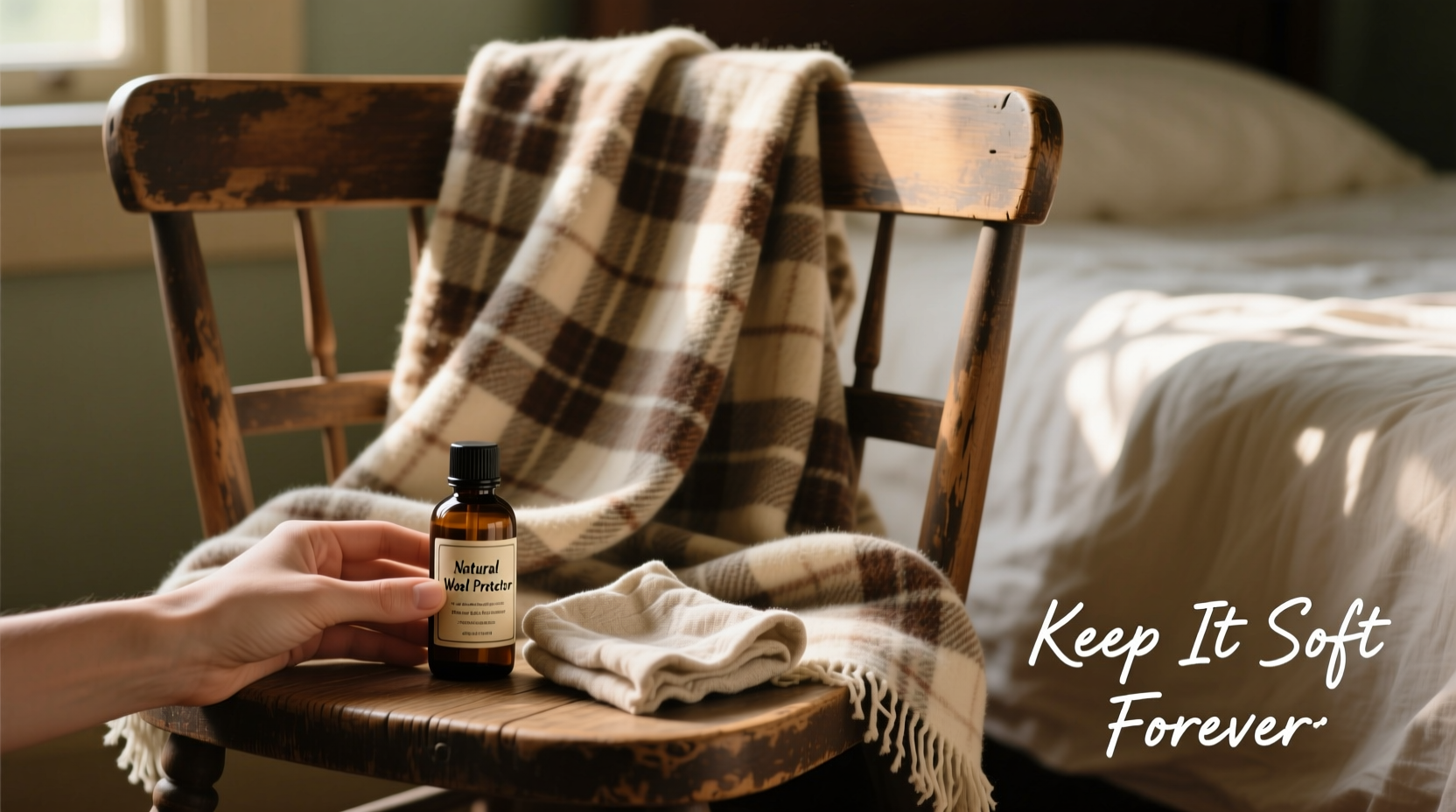
Flannel is typically made from cotton, wool, or synthetic fibers like polyester, each reacting differently to environmental stressors. The soft surface comes from a brushing process that raises fine fibers, creating a nap. While this gives flannel its warmth and plush feel, it also makes the fabric more vulnerable to abrasion and pilling. Exposure to sunlight, harsh detergents, high heat, and friction during washing accelerates fiber breakdown, leading to fading, thinning, and stiffness.
UV rays break down dye molecules, causing colors to fade unevenly. Chlorine bleach strips natural oils and weakens fibers, especially in cotton-based flannels. Over time, repeated exposure to hot water causes shrinkage and reduces softness. Even how you fold or store the blanket can contribute to wear along creases. Recognizing these factors allows you to take proactive steps rather than reacting after damage has occurred.
Washing Techniques That Preserve Softness and Color
How you wash your flannel blanket plays the biggest role in its longevity. Frequent washing isn’t inherently harmful, but doing it incorrectly is. The goal is to clean effectively without compromising the delicate nap or dyes.
Use cold water on a gentle cycle with a mild, fragrance-free detergent. Avoid products containing optical brighteners or enzymes, as they can degrade dyes and strip softness. Turn the blanket inside out before washing to minimize surface friction and protect the outer layer. Wash it separately or with similar fabrics to reduce lint transfer and agitation.
“Cold water and low agitation preserve both color integrity and fiber structure in brushed textiles like flannel.” — Dr. Lena Torres, Textile Scientist at FiberGuard Labs
Never use chlorine bleach. If whitening is necessary, opt for oxygen-based bleach diluted properly and used sparingly. Fabric softeners may seem beneficial, but many contain silicones that coat fibers, reducing breathability and trapping odors over time. Instead, add half a cup of white vinegar to the rinse cycle occasionally to naturally soften fibers and remove detergent residue.
Step-by-Step Washing Routine
- Turn the blanket inside out.
- Set machine to cold water (below 30°C / 86°F) and gentle/delicate cycle.
- Add mild liquid detergent; avoid powder (it doesn’t dissolve fully and abrades fibers).
- Include distilled white vinegar in the rinse dispenser once every 4–5 washes.
- Remove promptly after cycle ends to prevent deep wrinkles.
Drying and Heat Management
Drying is where many people unknowingly damage their flannel. High heat breaks down fibers, causes shrinkage, and accelerates fading. Tumble drying—even on medium settings—can be too aggressive for long-term preservation.
The safest method is air-drying. Lay the blanket flat on a clean, dry surface away from direct sunlight. Hanging outdoors is acceptable if done in the shade and not in humid conditions, which can encourage mildew. If using a dryer, select the lowest heat setting and remove the blanket while slightly damp to finish air-drying. This prevents over-drying, which makes flannel stiff.
Storage Practices to Prevent Long-Term Damage
Even when not in use, improper storage can degrade your flannel blanket. Storing it in plastic bins traps moisture and promotes mildew. Folding it tightly in damp areas leads to crease damage and musty odors. Sunlight through windows bleaches stored items just as easily as those in active use.
Store your flannel in a cool, dry closet wrapped in breathable cotton—such as an old pillowcase or muslin bag. Avoid cedar chests unless lined with cloth, as essential oils can stain or stiffen fabric. Rotate seasonal blankets periodically to ensure even aging and inspect for pests or moisture buildup.
| Do | Don’t |
|---|---|
| Store in a cotton bag or drawer liner | Use plastic bins or vacuum-sealed bags |
| Keep in a dark, climate-stable area | Leave near windows or radiators |
| Refold occasionally to shift stress points | Leave folded the same way for months |
A Real Example: Preserving a Heirloom Flannel
Sarah from Vermont inherited a red-and-plaid flannel blanket from her grandmother, originally purchased in 1978. Despite decades of occasional use, it remained remarkably soft and vibrant. Her secret? A disciplined care routine. She washed it only 3–4 times per year, always in cold water with a plant-based detergent. After hand-squeezing excess moisture, she laid it flat on a rack indoors. When storing, she refolded it quarterly and kept it in a linen-lined cedar chest with lavender sachets—but never directly touching the wood.
She avoided all machine drying and never placed it in direct sunlight. As a result, the blanket showed minimal fading and no thinning, even after 45 years. “It’s not about never using it,” Sarah said. “It’s about respecting the fabric every time.” Her experience proves that consistent, mindful care delivers lasting results.
Checklist for Long-Term Flannel Care
- ✅ Wash in cold water on gentle cycle
- ✅ Use mild, dye-free detergent
- ✅ Turn blanket inside out before washing
- ✅ Add white vinegar to rinse cycle monthly
- ✅ Air-dry flat whenever possible
- ✅ Use low heat only if machine drying
- ✅ Store in breathable fabric, not plastic
- ✅ Keep away from direct sunlight and humidity
- ✅ Refold or shake out monthly during storage
- ✅ Limit washing to when truly needed—not on a fixed schedule
Frequently Asked Questions
Can I wash my flannel blanket with other clothes?
It’s best to wash it separately or only with similar soft fabrics like cotton sheets. Washing with jeans, zippers, or rough materials increases abrasion, leading to pilling and surface wear.
Why does my flannel feel stiff after washing?
Stiffness usually results from residual detergent, high heat drying, or mineral buildup in hard water. Try rinsing again with distilled white vinegar or switch to a gentler detergent formulated for delicates.
Is it safe to iron a flannel blanket?
Ironing is generally unnecessary and risky. High heat can scorch the nap. If wrinkles persist, lightly steam from a distance or tumble briefly with a damp cloth on low heat.
Final Thoughts: Make Care a Habit, Not a Chore
Preserving your flannel blanket doesn’t require perfection—just consistency. Small adjustments in washing, drying, and storage compound over time into dramatic differences in appearance and feel. Think of care not as maintenance, but as stewardship of something that brings warmth and comfort season after season.
By protecting against fading and wear, you’re not just extending the life of a textile—you’re preserving moments of coziness, memories made under its cover, and the simple joy of softness at your fingertips.




 浙公网安备
33010002000092号
浙公网安备
33010002000092号 浙B2-20120091-4
Comments
No comments yet. Why don't you start the discussion?