
Your iPhone is more than just a phone—it’s a camera, a productivity tool, a navigation device, and often a significant financial investment. With daily use comes constant exposure to drops, scratches, moisture, and wear. While Apple builds its devices with durability in mind, no iPhone is immune to damage without proper protection. One of the most effective and affordable safeguards is a high-quality case. But not all cases are created equal. Choosing the right one involves more than just aesthetics; it requires understanding materials, design, and real-world performance.
Understand the Types of iPhone Cases and Their Protection Levels
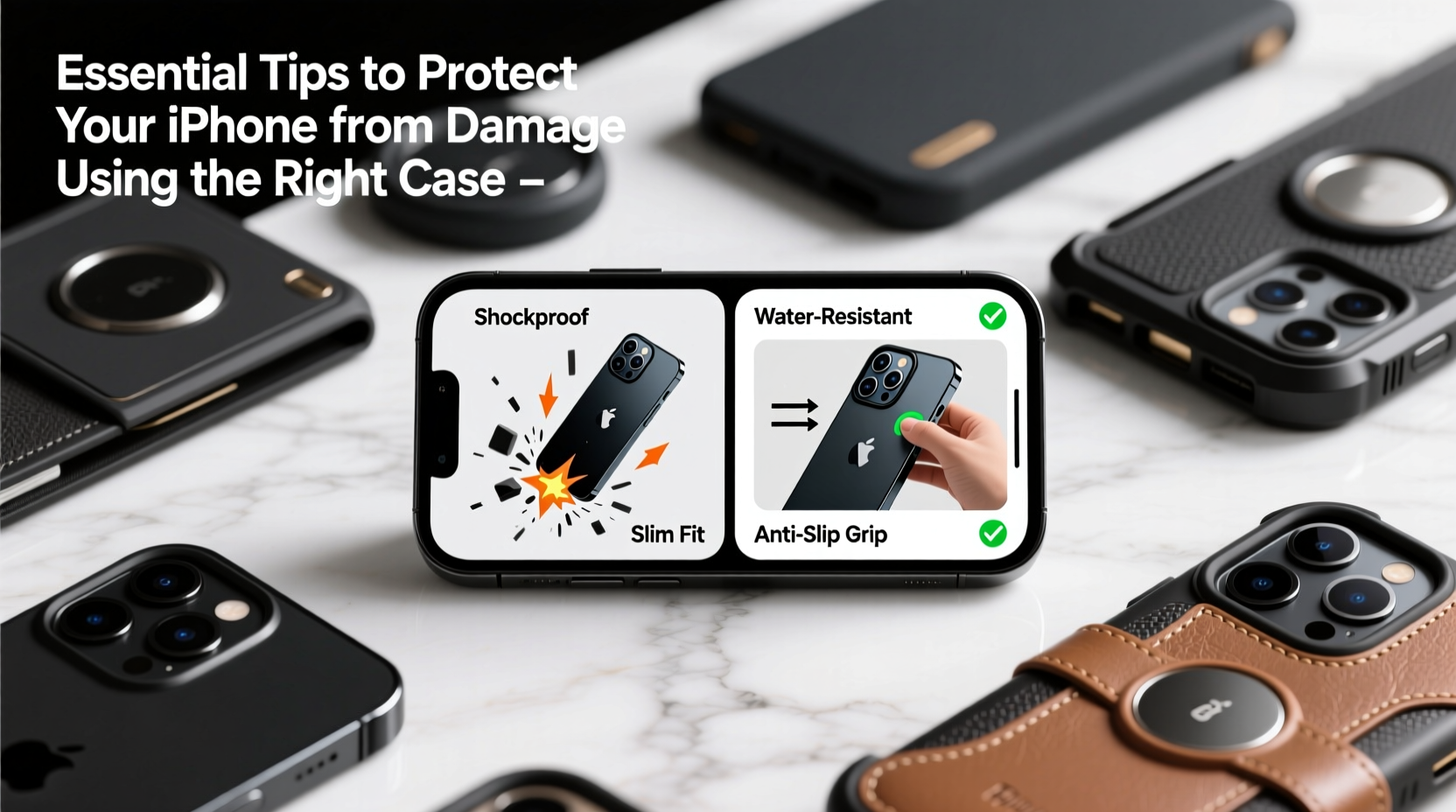
iPhone cases come in various styles, each offering different levels of protection, functionality, and design. Knowing the differences helps you make an informed decision based on how you use your phone.
| Case Type | Protection Level | Best For | Limitations |
|---|---|---|---|
| Slim/Fitted (Silicone or TPU) | Low to Moderate | Daily use, style-focused users | Limited drop protection, may yellow over time |
| Bumper Cases | Moderate | Minimalists who want edge protection | Back of phone remains exposed |
| Rugged/Hybrid Cases | High | Outdoor use, construction, travel | Bulkier, may not fit in tight pockets |
| Folio/Wallet Cases | Moderate | Convenience, carrying cards | Screen may be exposed when open |
| Clear Cases | Low to Moderate | Showcasing phone design | Scratches easily, prone to yellowing |
The key is matching the case type to your lifestyle. A rugged case might be overkill for someone who mostly uses their phone at home, while a slim silicone case could fail to protect a phone used on job sites or hiking trails.
Choose Materials That Balance Protection and Feel
The material of your iPhone case plays a crucial role in shock absorption, grip, and longevity. Common materials include:
- Thermoplastic Polyurethane (TPU): Flexible, rubber-like, excellent at absorbing impact. Often used in hybrid cases with hard outer shells.
- Polycarbonate (Hard Plastic): Rigid and scratch-resistant, commonly found in dual-layer cases. Offers structural support but less shock absorption alone.
- Silicone: Soft to the touch, provides decent grip, but can attract dust and degrade over time.
- Leather: Premium look and feel, develops a patina, but offers minimal drop protection unless reinforced.
- Recycled or Eco-Friendly Materials: Increasingly popular, though durability varies—check third-party testing data.
Hybrid cases, which combine TPU inner layers with polycarbonate outer shells, offer the best of both worlds: flexibility for impact resistance and rigidity for structure. These are especially recommended for users who have dropped their phones before.
“Over 70% of iPhone damage claims stem from drops below waist height. A case with even moderate shock absorption can reduce glass breakage by up to 50%.” — Dr. Alan Zhou, Mobile Device Durability Researcher, TechSafe Labs
Ensure Proper Fit and Functionality
A well-fitting case should align perfectly with your iPhone’s buttons, ports, and camera cutouts. Poorly designed cases can lead to several issues:
- Muffled speaker or microphone due to misaligned port covers
- Difficulty pressing buttons or accidental presses
- Camera lens obstruction or smudging
- Gaps that allow dust and debris inside
Always opt for cases specifically designed for your iPhone model. Universal cases may seem cheaper but rarely offer precision engineering. Additionally, if you use wireless charging, ensure the case is compatible—most quality cases now support MagSafe or Qi charging without removal.
Checklist: What to Verify Before Buying a Case
- Confirmed compatibility with your exact iPhone model (e.g., iPhone 15 Pro vs. iPhone 15)
- Precise cutouts for camera, speakers, charging port, and buttons
- Supports wireless charging without interference
- Includes raised edges around screen and camera
- Made from durable, non-yellowing materials (especially for clear cases)
- Has positive user reviews mentioning long-term durability
Real-World Example: How a Case Saved an iPhone on a Hiking Trip
Jamie, a landscape photographer, was hiking in the Rockies when she slipped on a wet rock trail, dropping her iPhone 15 Pro into a shallow stream. The phone fell about four feet onto rocky ground before landing in water. She retrieved it immediately. Thanks to her rugged OtterBox Defender case—which included a waterproof sleeve and shock-absorbing layers—the phone powered on without issue. The screen was intact, and after drying the exterior, all functions worked normally.
In contrast, her friend traveling with her had only a slim silicone case. When his phone slipped from his hand moments later, it cracked on impact and stopped responding. Jamie’s experience underscores how a case tailored to environmental risks can mean the difference between a minor scare and a costly replacement.
Step-by-Step Guide to Choosing and Maintaining Your iPhone Case
Selecting the right case is only half the battle. Proper maintenance ensures it continues to protect your device over time.
- Assess Your Usage Pattern: Are you indoors most of the day? Do you work in construction? Travel frequently? This determines protection needs.
- Research Trusted Brands: Look for companies like Spigen, UAG, OtterBox, and Apple’s own lineup, known for rigorous drop testing.
- Read Verified User Reviews: Focus on feedback about long-term wear, yellowing, and actual drop performance—not just appearance.
- Purchase and Install Carefully: Align the phone slowly when inserting it to avoid scratching the finish.
- Clean Regularly: Use a soft cloth dampened with water to wipe down the case weekly. Remove dirt from ports and edges to maintain hygiene and fit.
- Inspect for Wear: Check every few months for cracks, warping, or loosening. Replace if structural integrity is compromised.
- Replace Every 12–18 Months: Even durable cases degrade over time due to UV exposure, oils from skin, and repeated stress.
FAQ: Common Questions About iPhone Cases
Do I really need a case if I’m careful with my phone?
Even careful users experience accidents. Most drops happen during routine activities—reaching into a bag, placing the phone on a table, or answering a call while walking. A case adds a critical layer of defense against everyday risks.
Can a case affect my iPhone’s performance?
A well-designed case will not interfere with performance. However, low-quality magnetic cases or thick metal-backed designs can disrupt wireless charging, GPS, or compass functionality. Always choose cases tested for compatibility.
Are expensive cases worth the price?
Not all expensive cases are better, but premium brands often invest in lab testing, materials research, and ergonomic design. If a case costs significantly more, check whether it offers measurable benefits like MIL-STD drop certification or advanced antimicrobial coatings.
Conclusion: Protect Your Investment Wisely
Your iPhone deserves more than just a decorative shell—it needs reliable, intelligent protection. The right case isn’t just about preventing cracks; it’s about preserving resale value, maintaining functionality, and avoiding the frustration of unexpected repairs. By choosing a case that matches your lifestyle, investing in quality materials, and maintaining it properly, you extend your device’s lifespan and peace of mind.




 浙公网安备
33010002000092号
浙公网安备
33010002000092号 浙B2-20120091-4
Comments
No comments yet. Why don't you start the discussion?